
International Conference on Energy Transition - Day III
Presentations given during the third day of the International Conference on Energy Transition "Towards a Sustainable Future"
Date:
11 February 2026
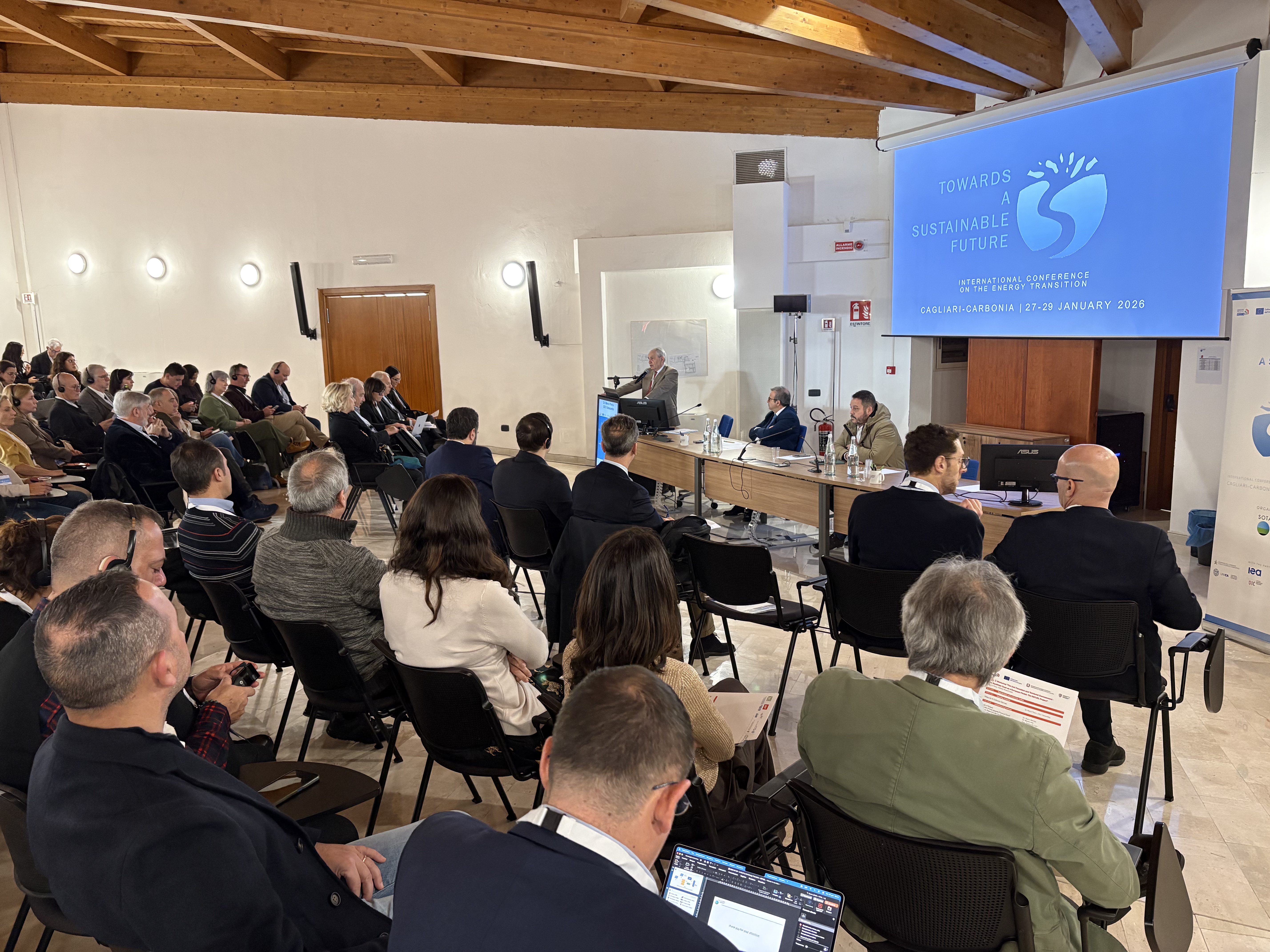
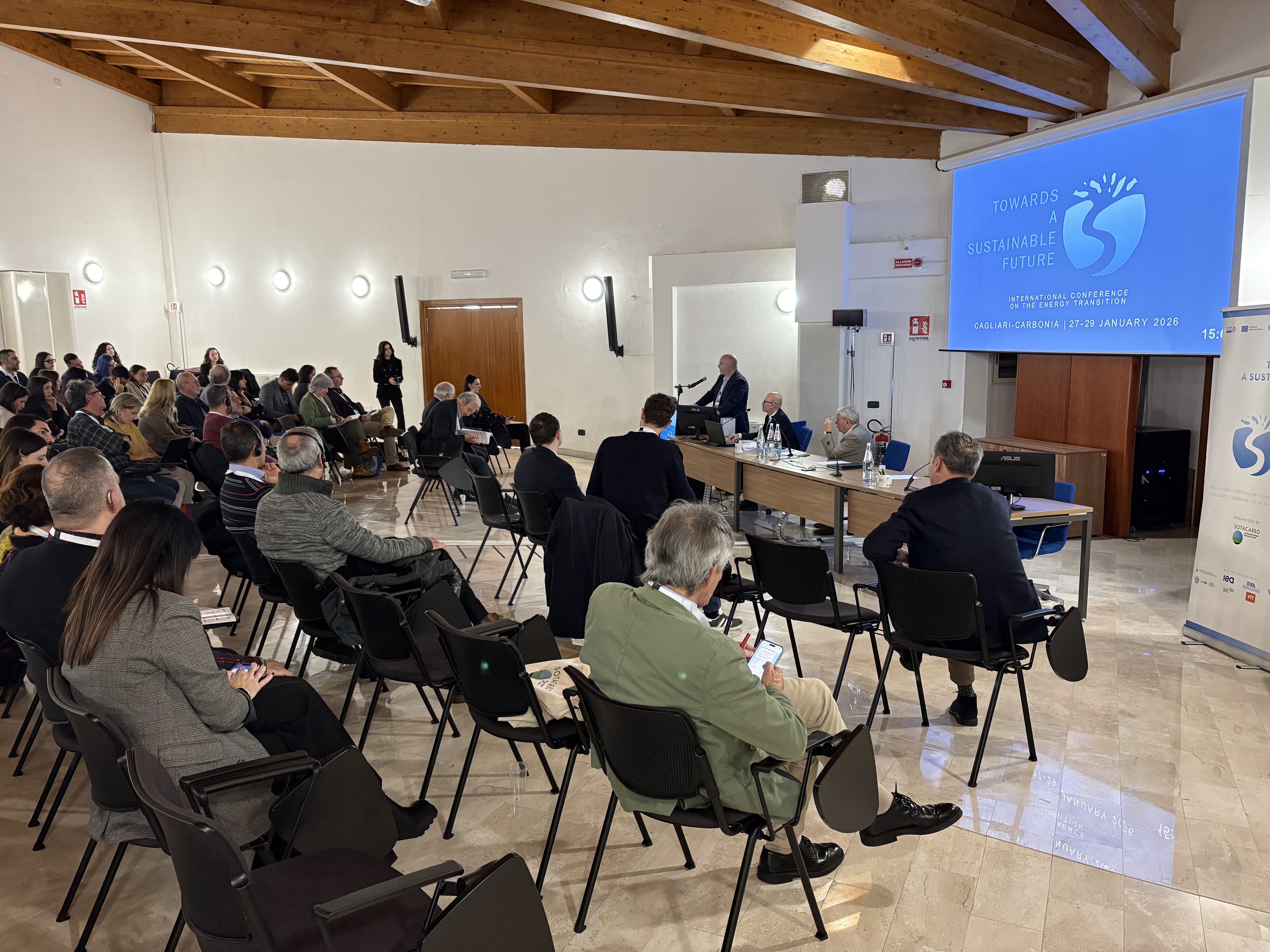
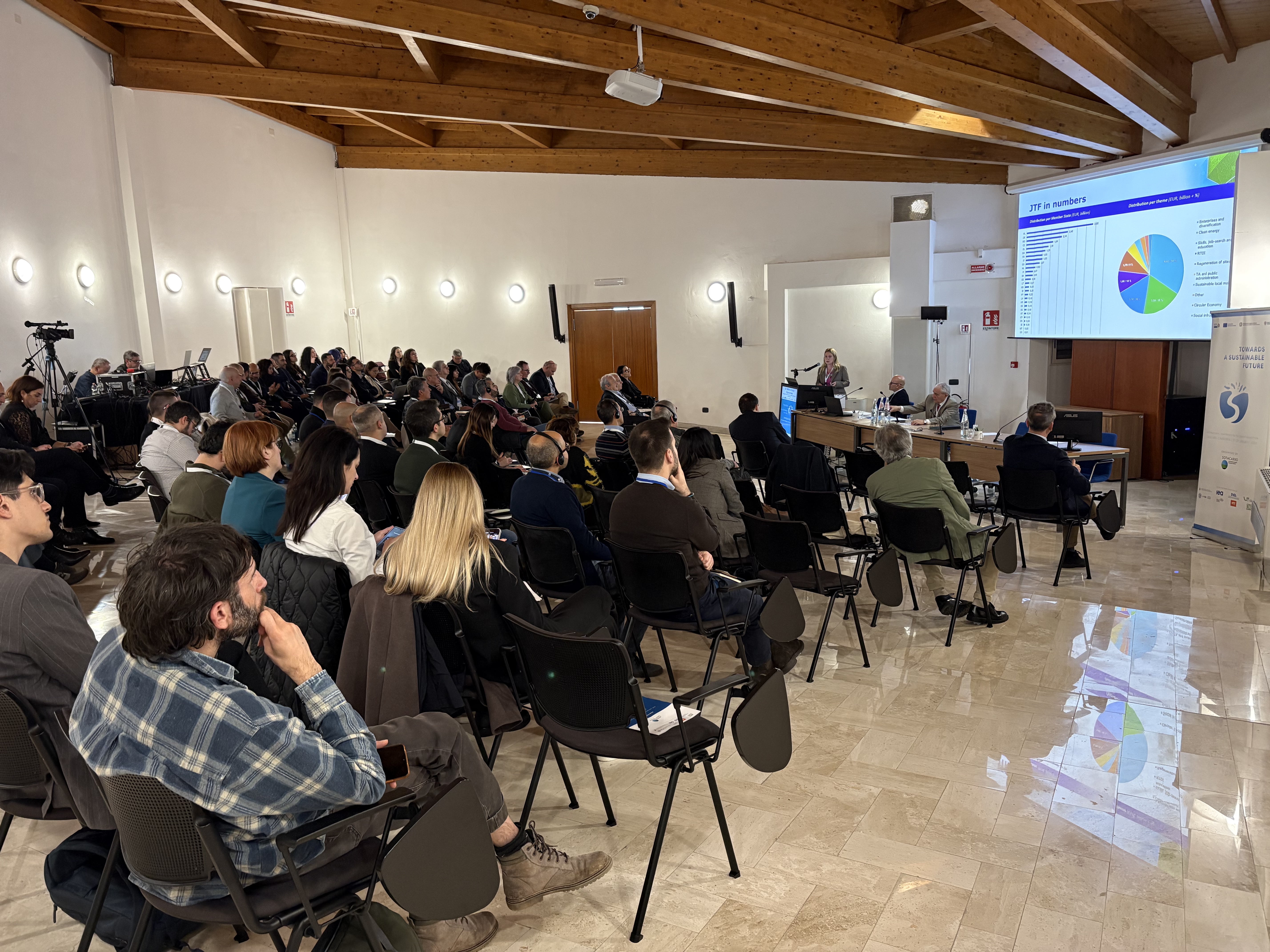
The first edition of the International Conference on Energy Transition, "Towards a Sustainable Future", featured 42 presentations and 40 speakers representing five continents. Below is a summary of some of the insights that emerged from the third day.
Mario Porcu, Sole Administrator, Sotacarbo: «Today is dedicated to the Just Transition Fund (Jtf) and the initiatives launched in this region and in other European countries grappling with the transition from a coal-based economy to one based on renewable energy. The Sotacarbo Research Center was located in a former coal mine: today it represents a virtuous model of energy transition from coal to hydrogen, and also an example of the effectiveness of these public investments, which are offering significant opportunities to a region in social and economic crisis.»
Emanuele Cani, Councilor for Industry, Autonomous Region of Sardinia: «Sardinia is seen as a region struggling with the energy transition. Although the goal is to implement it, we want citizens, businesses, and the public system to benefit from this great natural resource. The primary objective is to ensure that everyone is involved in this significant system change and that the benefits are not concentrated in a few.»
Manolo Mureddu, Councilor for Public Works, Municipality of Carbonia: «The Municipality, in collaboration with Sotacarbo, has launched a series of actions and activities that are leading to concrete and tangible results, with a focus on developing projects and investments to promote the energy transition and research into renewable energy production.»
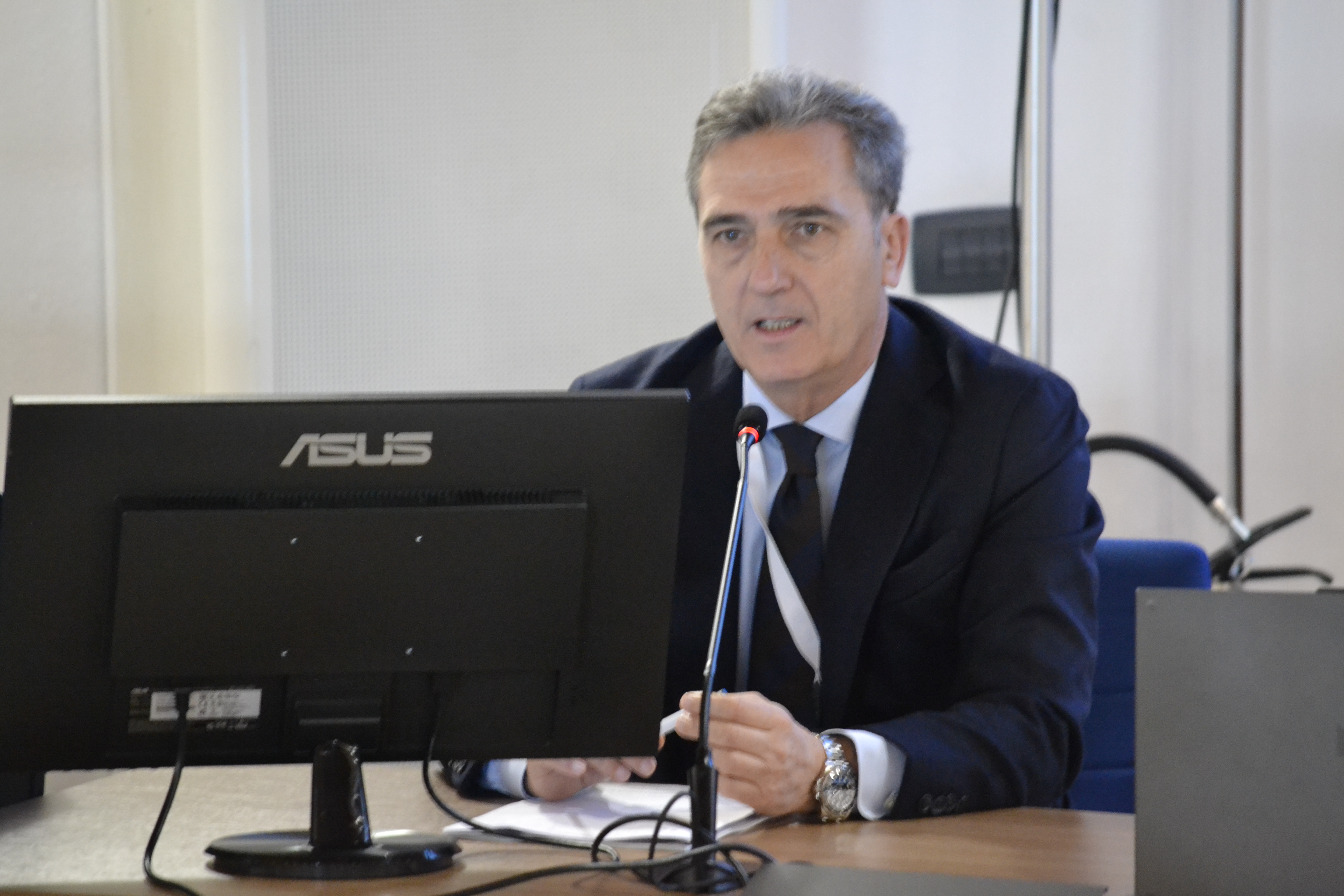
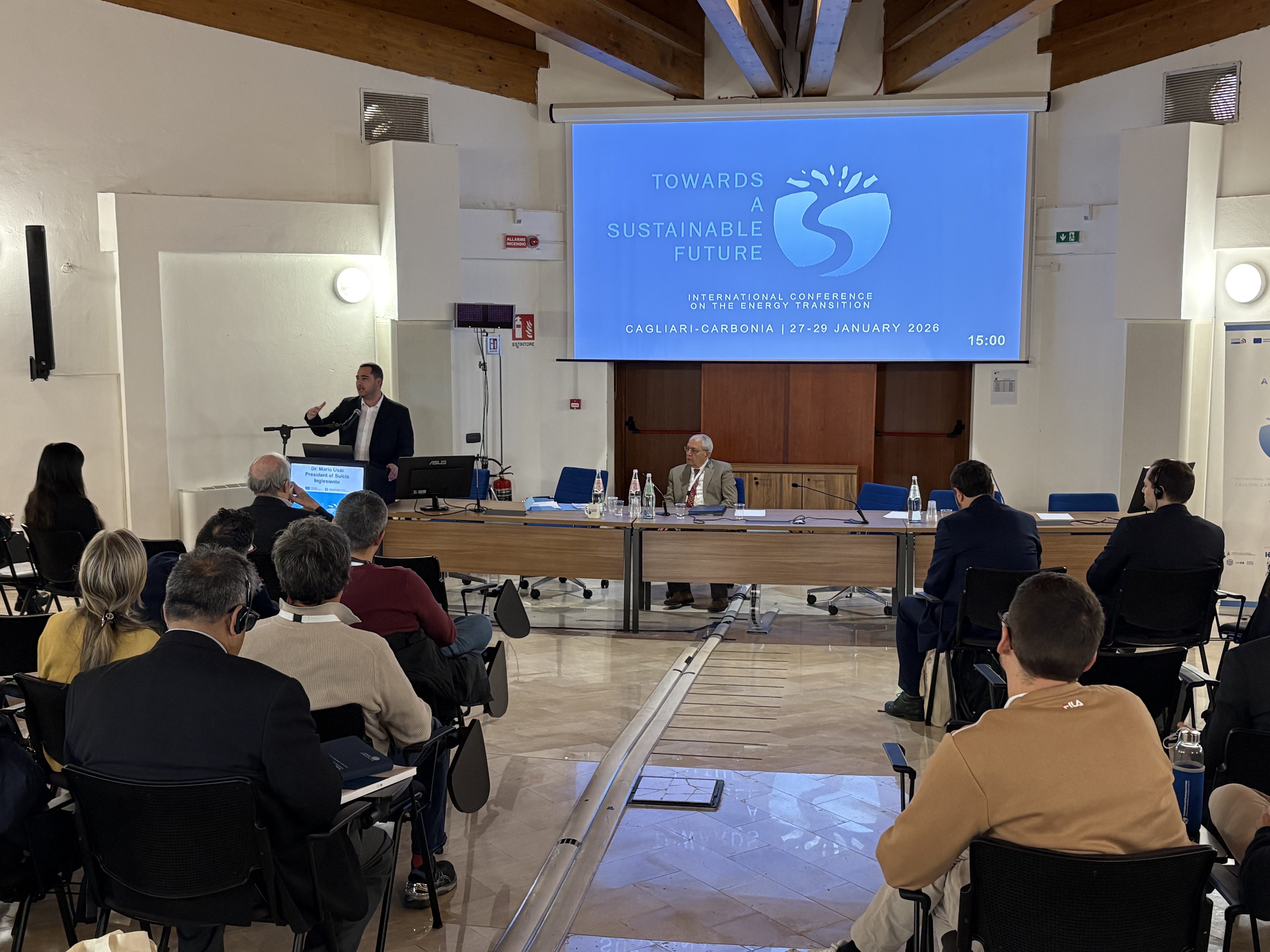
 Mauro Usai, President - Province of Sulcis Iglesiente, Mayor - Municipality of Iglesias: «Resources without planning are not enough. It is essential that the institutional bodies called upon to carry out this task advance the disbursement of these resources by submitting projects that are compatible with the guidelines that finance these activities. To do this, politics is needed. Every now and then, there are historic moments and unmissable opportunities: this is one of them.»
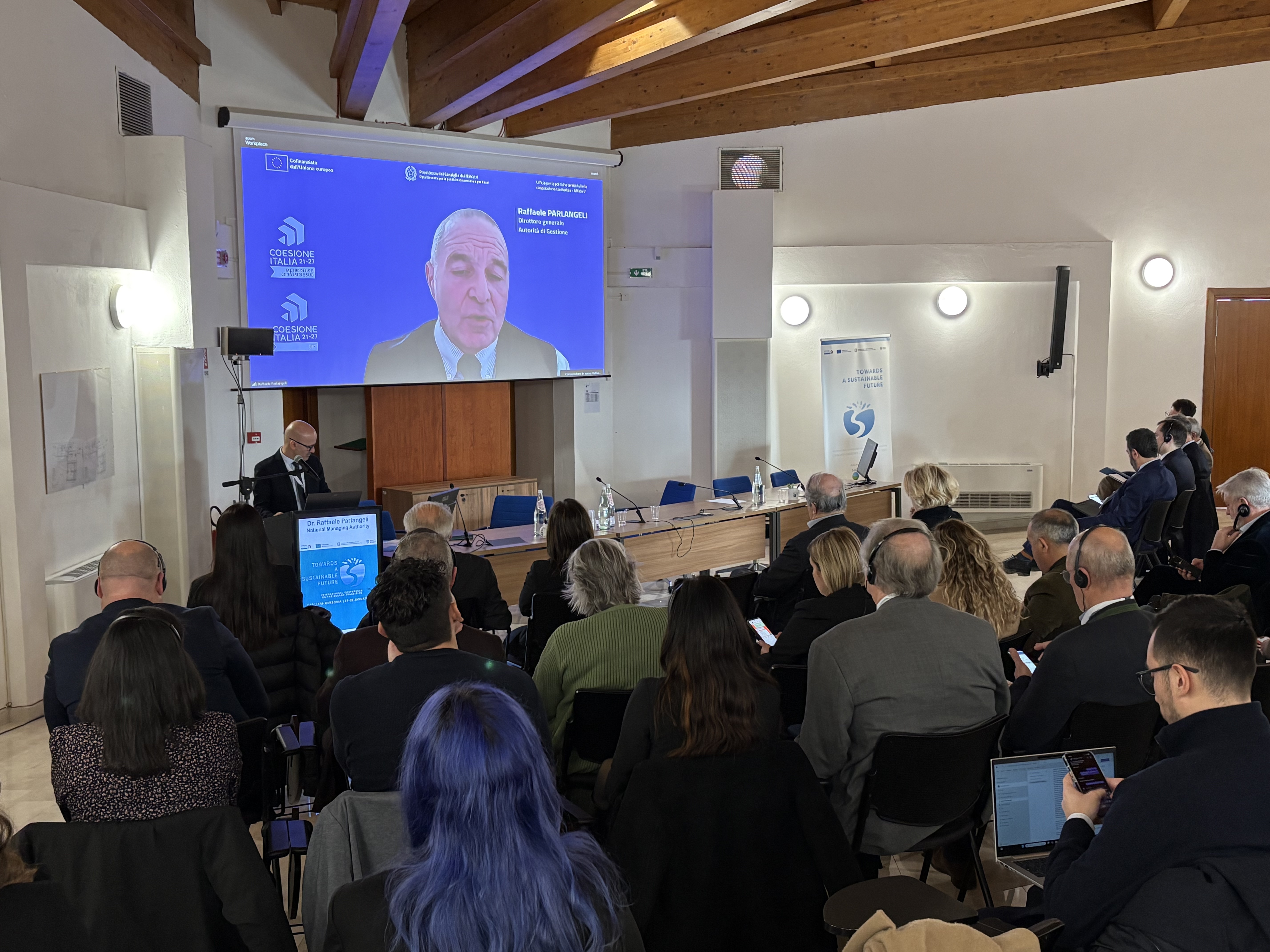
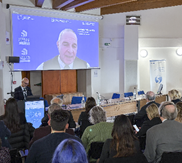 Raffaele Parlangeli, Managing Authority - Just Transition Fund, Office for Territorial Policies and Territorial Cooperation: «In a region like Sulcis, with a historical dependence on coal, the Refuel project, funded by the Jtf, represents a challenge and a strategically important operation. Refuel is an advanced interpretation of the place-based approach of cohesion policy: it demonstrates that the green transition can become a driver of territorial development and competitiveness, and it can ensure a productive base combined with skilled employment. This project is now testing, at the local level, solutions that will be central to European policies over the next decade.»
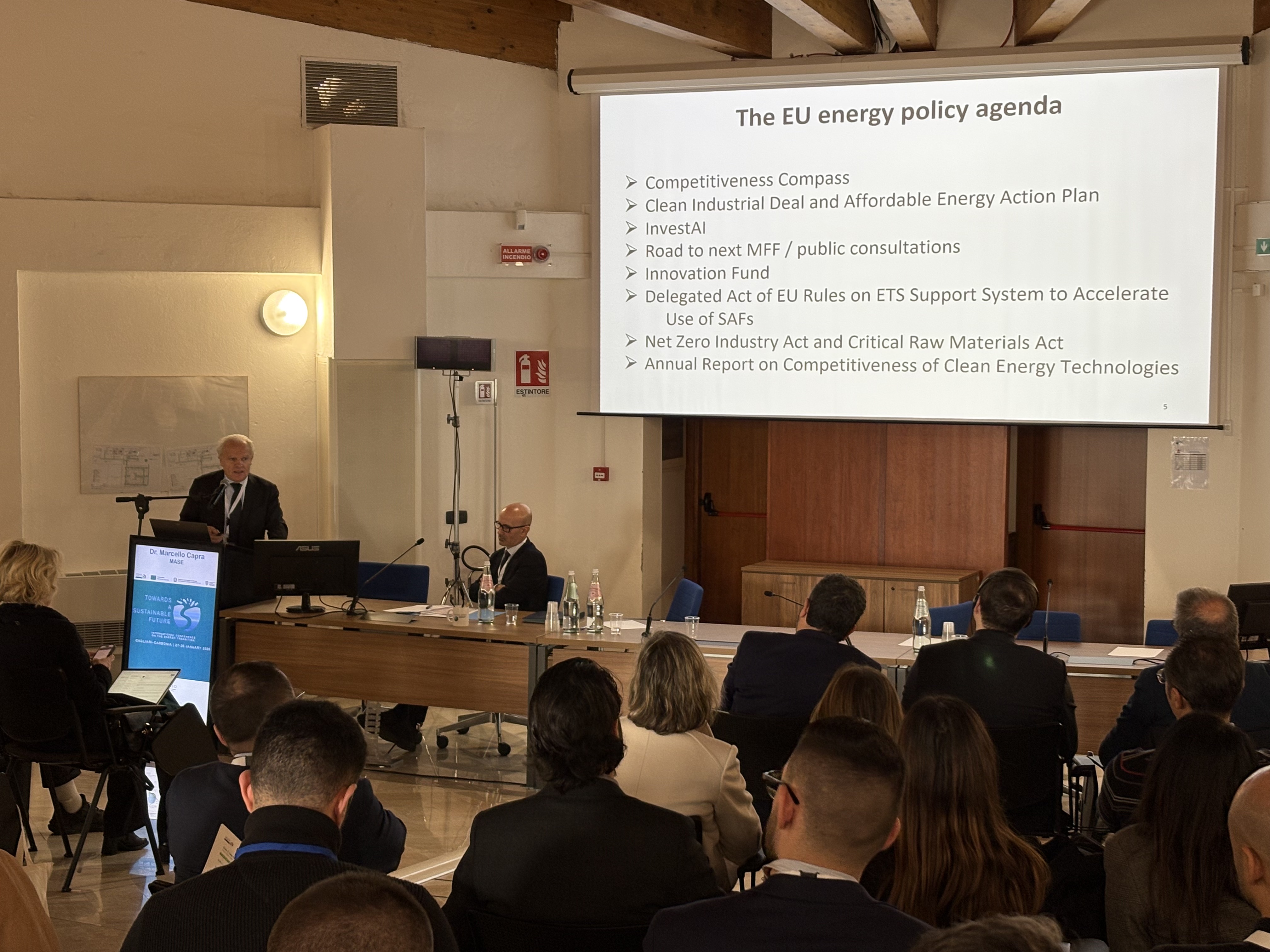
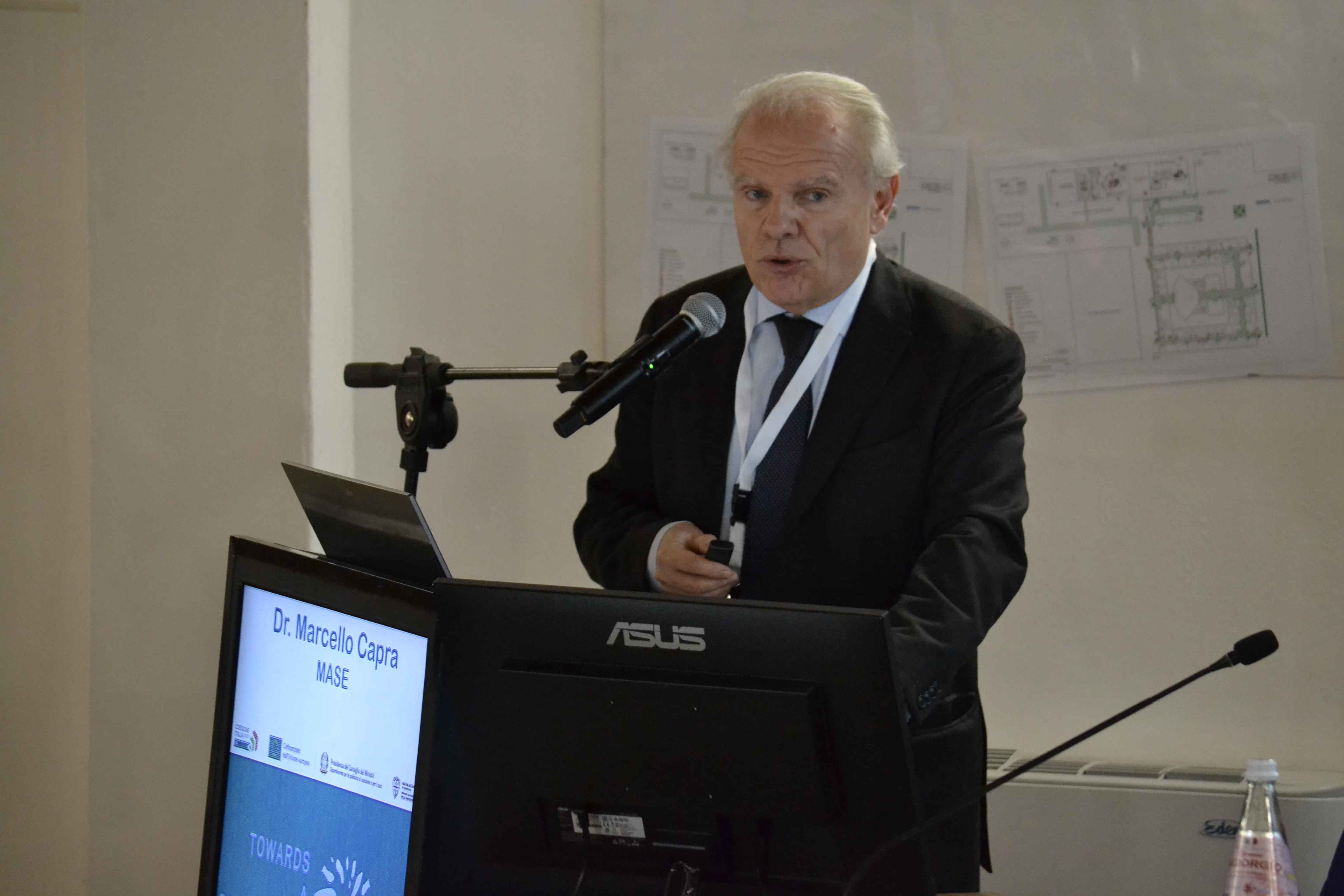
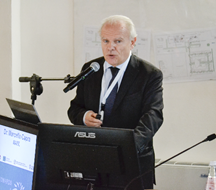 Marcello Capra, Senior Energy Advisor, Ministry of the Environment and Energy Security: «The Jtf ensures a just and targeted transition at the local level in Sulcis, the Necp provides the strategic roadmap for Italy's energy transition, and the Nrrp provides significant funding and reforms to accelerate the transition: together, these tools create coherent support for decarbonization, the adoption of clean energy, and socioeconomic resilience. The Hydrogen Valley (SulkHy project) could be an opportunity to create a hub for pooling resources and expertise. The resources are there, but we need to leverage them in a region like this, and we need to think about what lies ahead after these investments.»
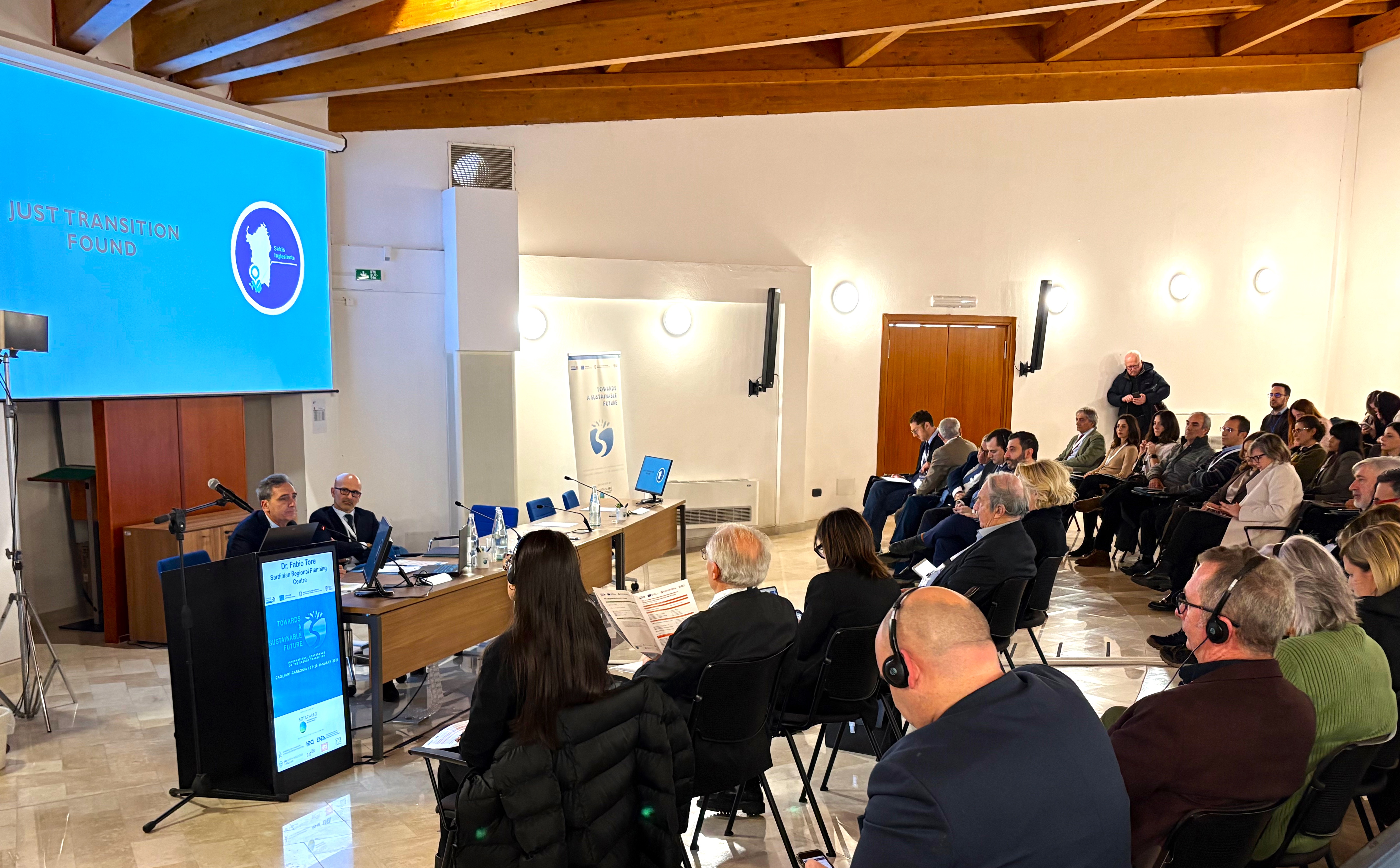
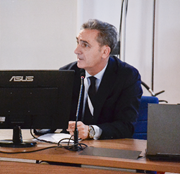 Fabio Tore, Research and Innovation, Smart Competitiveness and Digital Transition Working Group, Regional Programming Center: «Energy solutions must be produced, improved, and maintained. Refuel combines technological development and innovation to support regional development, avoiding the gravest mistake: financing unconnected segments of activities. It creates a complete hydrogen supply chain, in which each component has its own merit, yet together they constitute the strength of this initiative.»
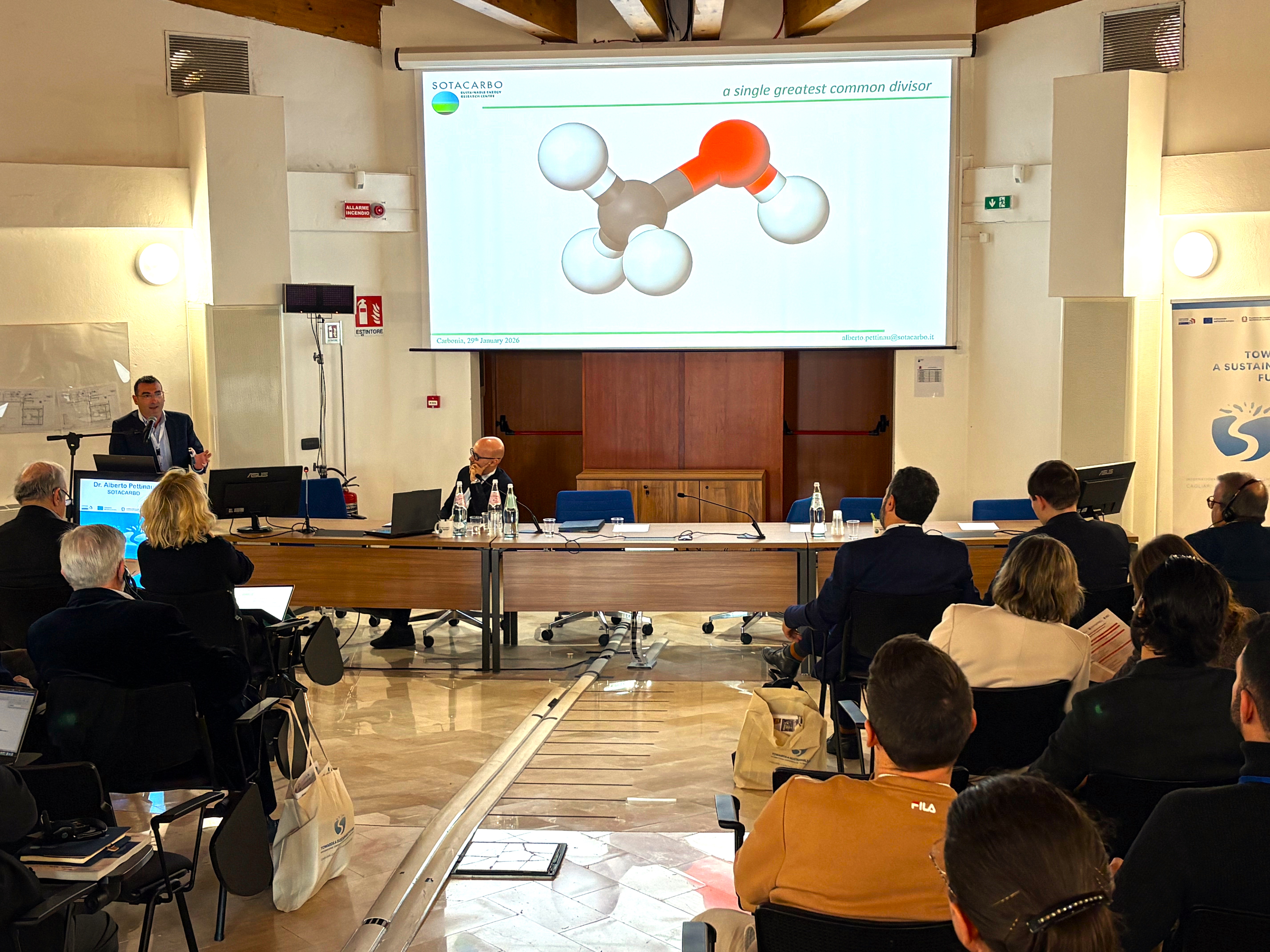
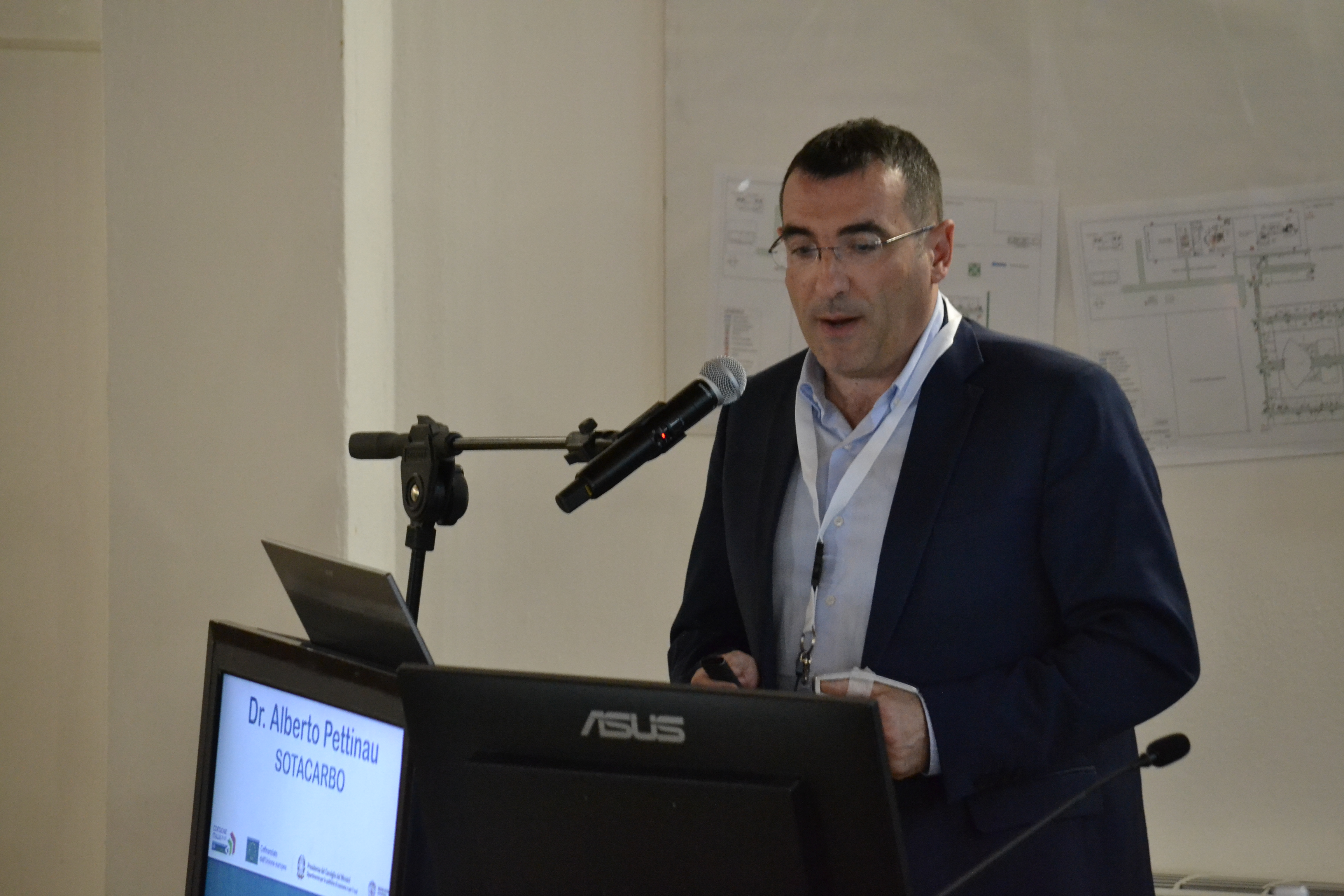
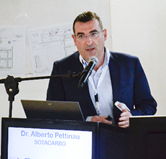 Alberto Pettinau, Director R&D, Sotacarbo: «With the Refuel project, Sotacarbo aims to develop an integrated and innovative technology for producing methanol from renewable sources. To produce it at increasingly lower costs, so that it can become a tool for decarbonizing industry and transportation.»
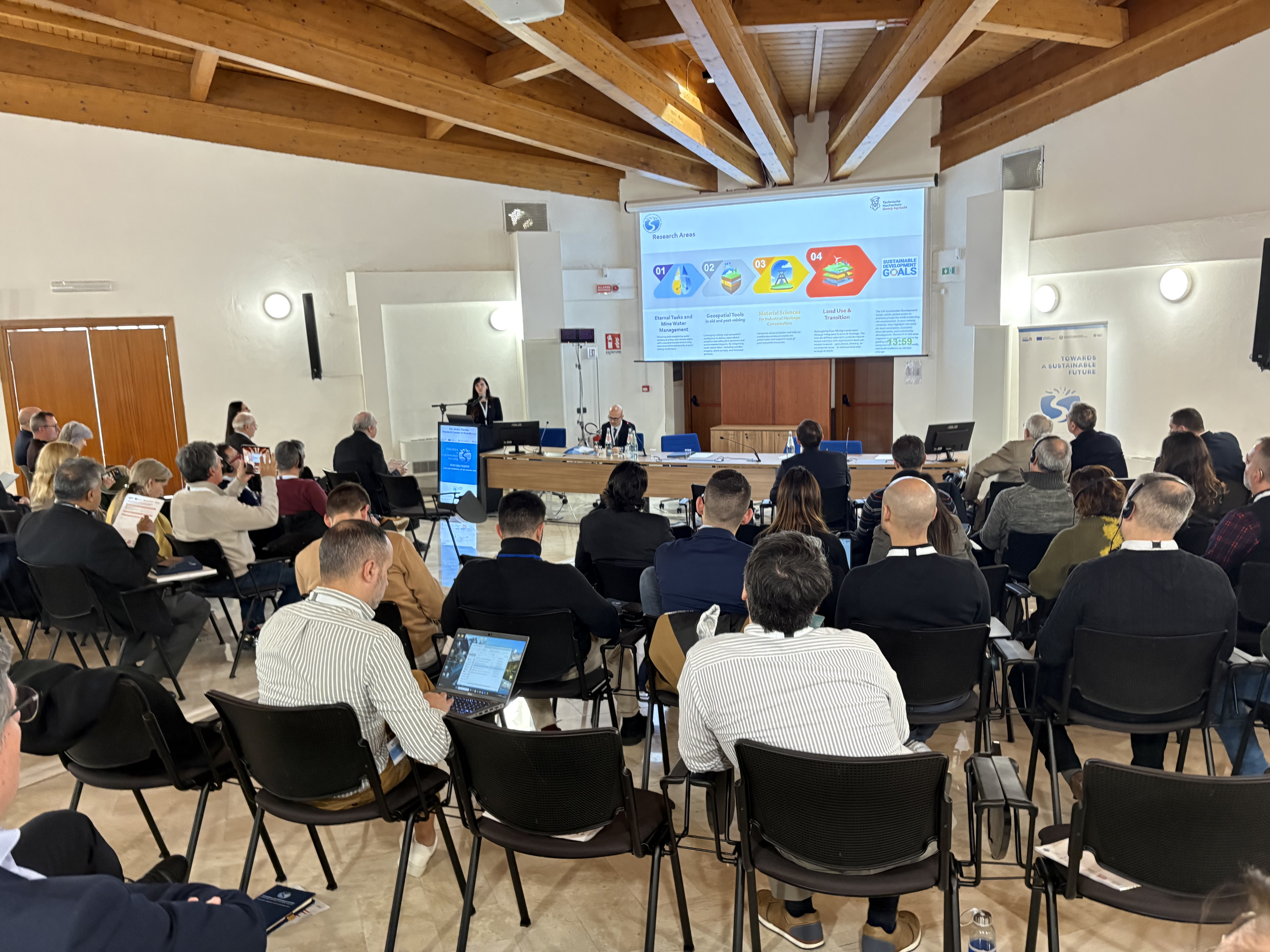
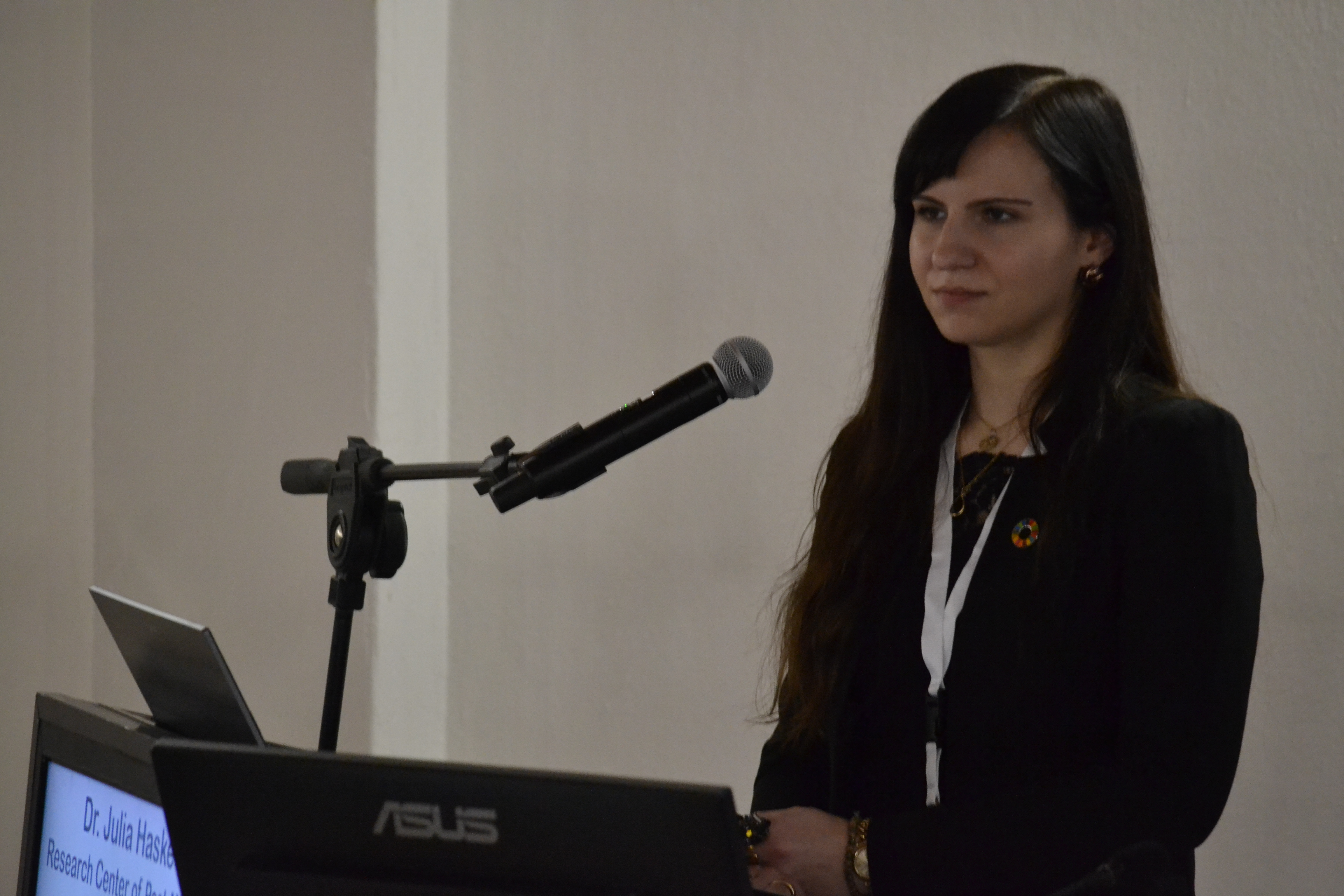
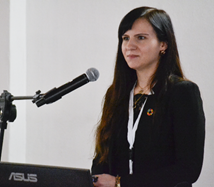 Julia Haske, Head of Land Use & Transition, Research Center of Post-Mining, Technische Hochschule Georg Agricola: «Mining leaves a mark across landscapes: the interdisciplinary approach combines nature-based solutions with regenerative land-use models towards agricultural, forestry, or commercial reuse. We are working closely with different units of the European Union, mainly consulting them regarding other regions facing the transition, but also to accompany best practices and develop guidelines. One of the areas in which we are very active is the Research Fund for Coal & Steel (Rfcs), which is not the Jtf, but it’s next to it, and will play a major role in the upcoming multiannual financial framework from 2028 to 2034.»
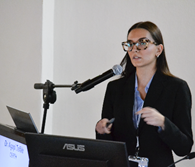
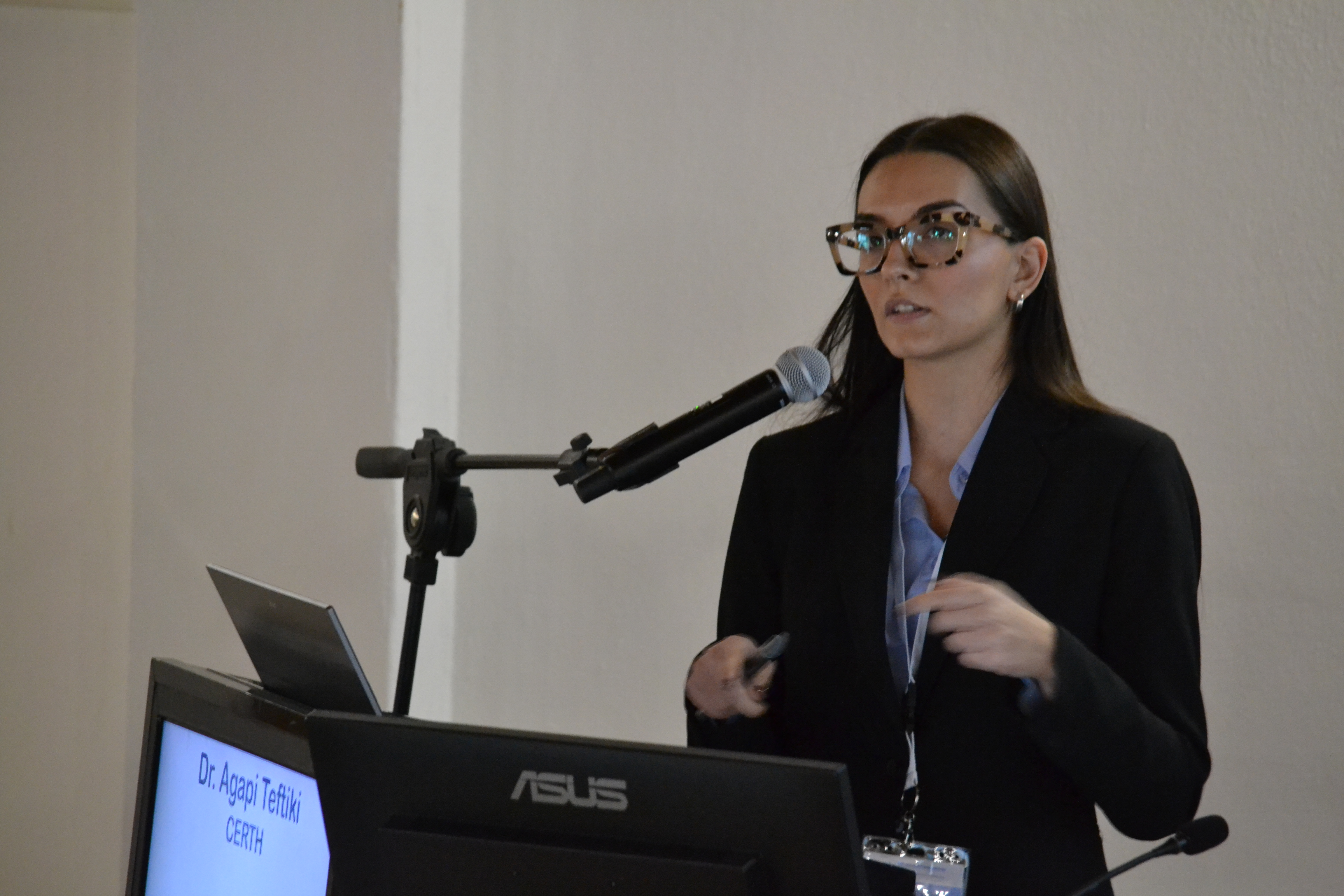
Agapi Teftiki, Researcher, Centre for Research & Technology Hellas (CERTH)/CPERI: «Western Macedonia was Greece's "energy heart" due to its coal mines. After the transition, the region needs a new economic model. The main objective of H2HUB is to demonstrate the technology for the production, storage and use of hydrogen derived from renewable electricity.»
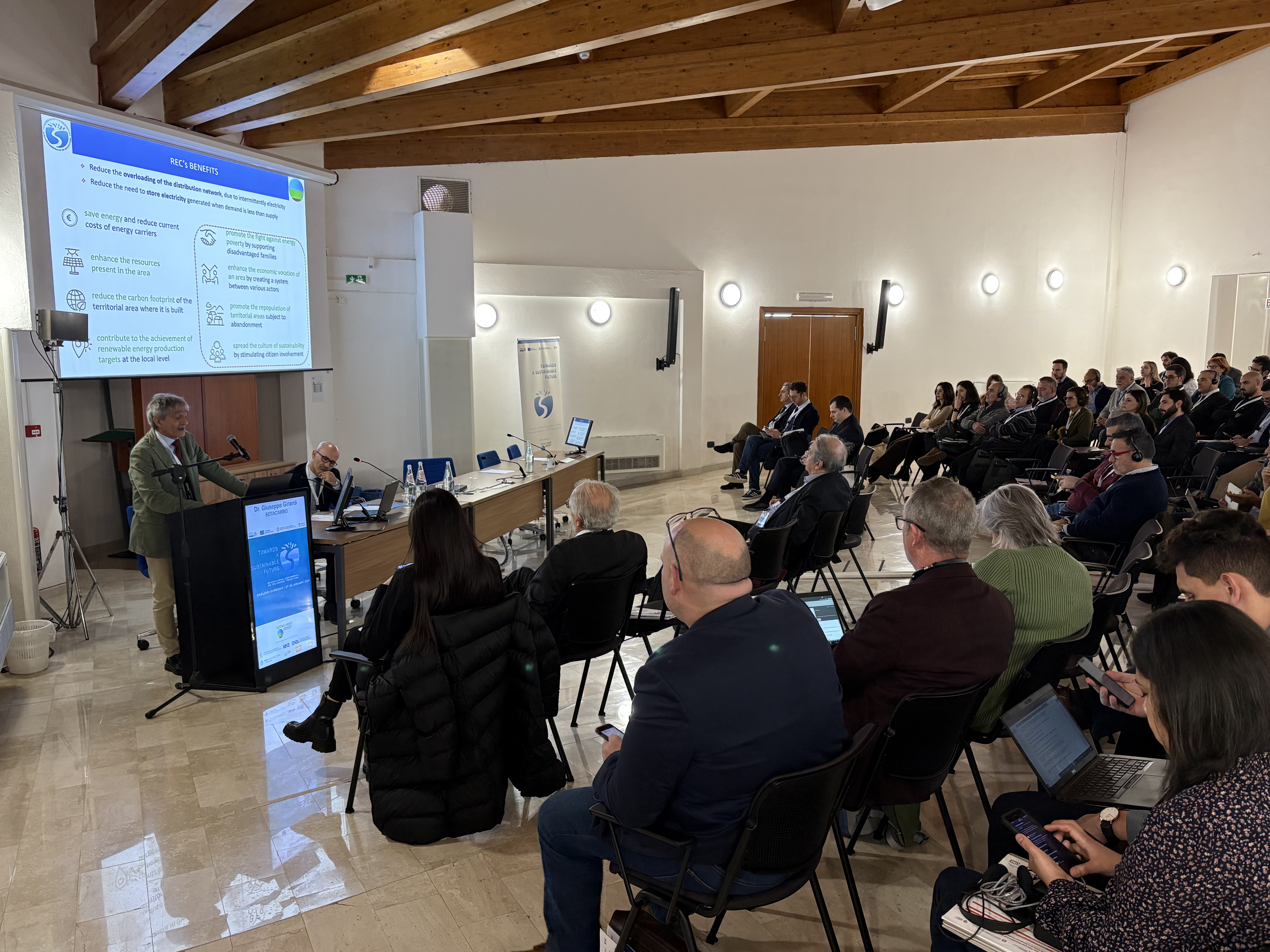
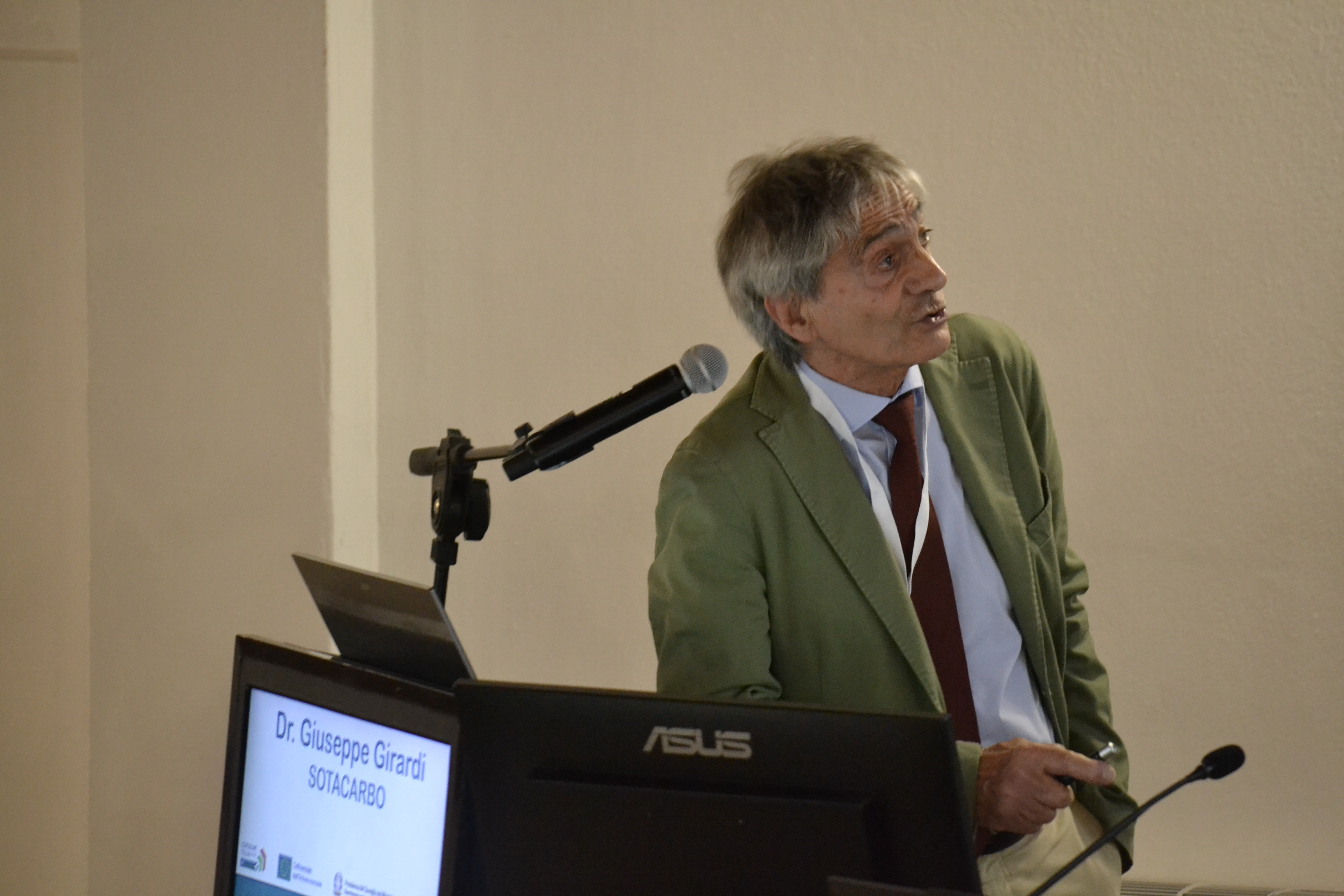
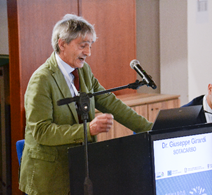 Giuseppe Girardi, Strategic Committee, Sotacarbo: «The CECS project, which aims for the implementation of a Renewable Energy Community (Rec) in Carbonia is supported by Abaco Urbano Energetico degli Edifici (Auree) project and is part of a broad program that, together with projects for increasing energy efficiency in buildings and projects for the production and use of green hydrogen, represent a valid contribution to the energy transition in this area and throughout Sardinia, also establishing itself as an example of a systemic approach and reference point for our country.»
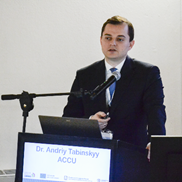
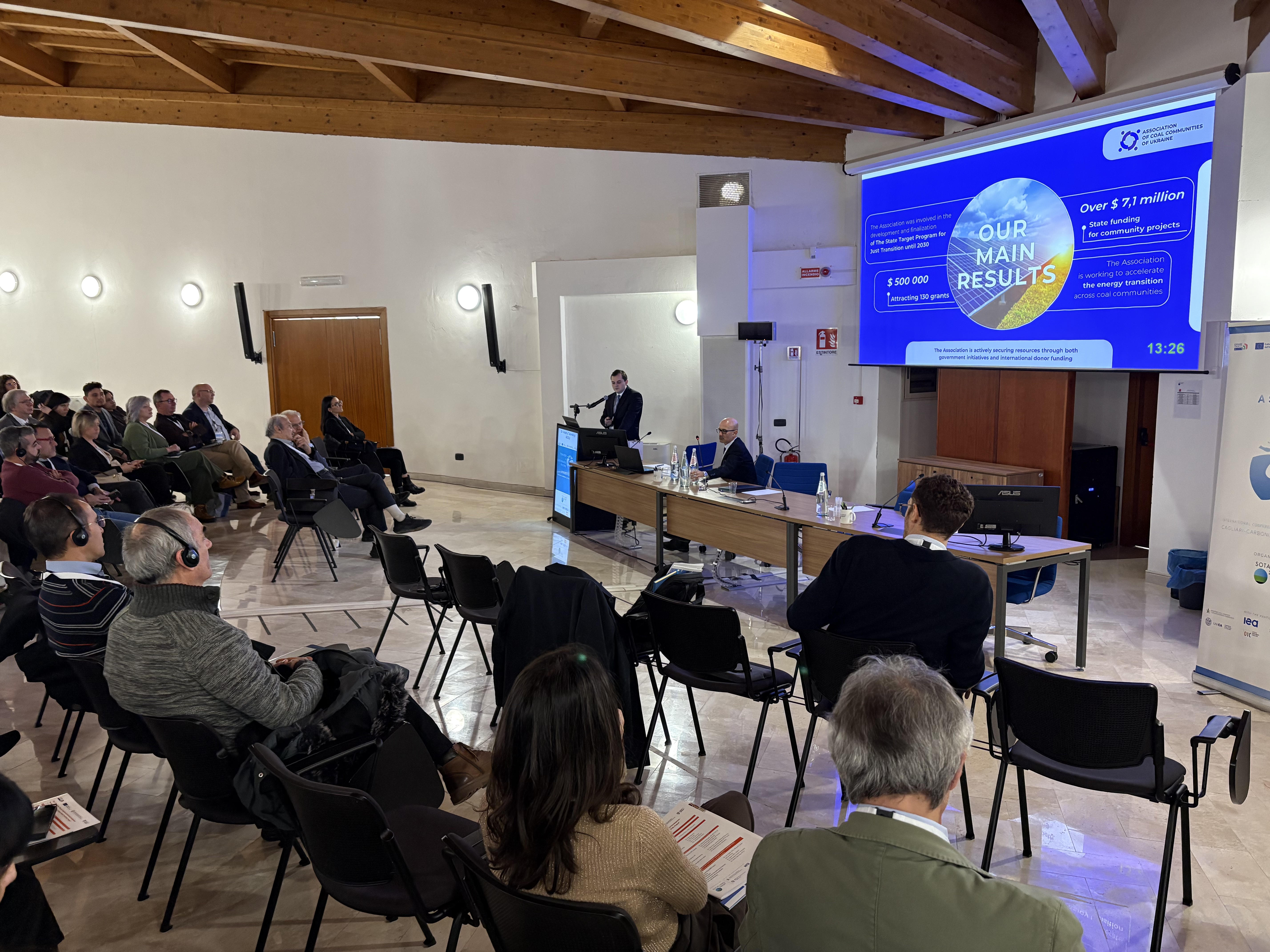
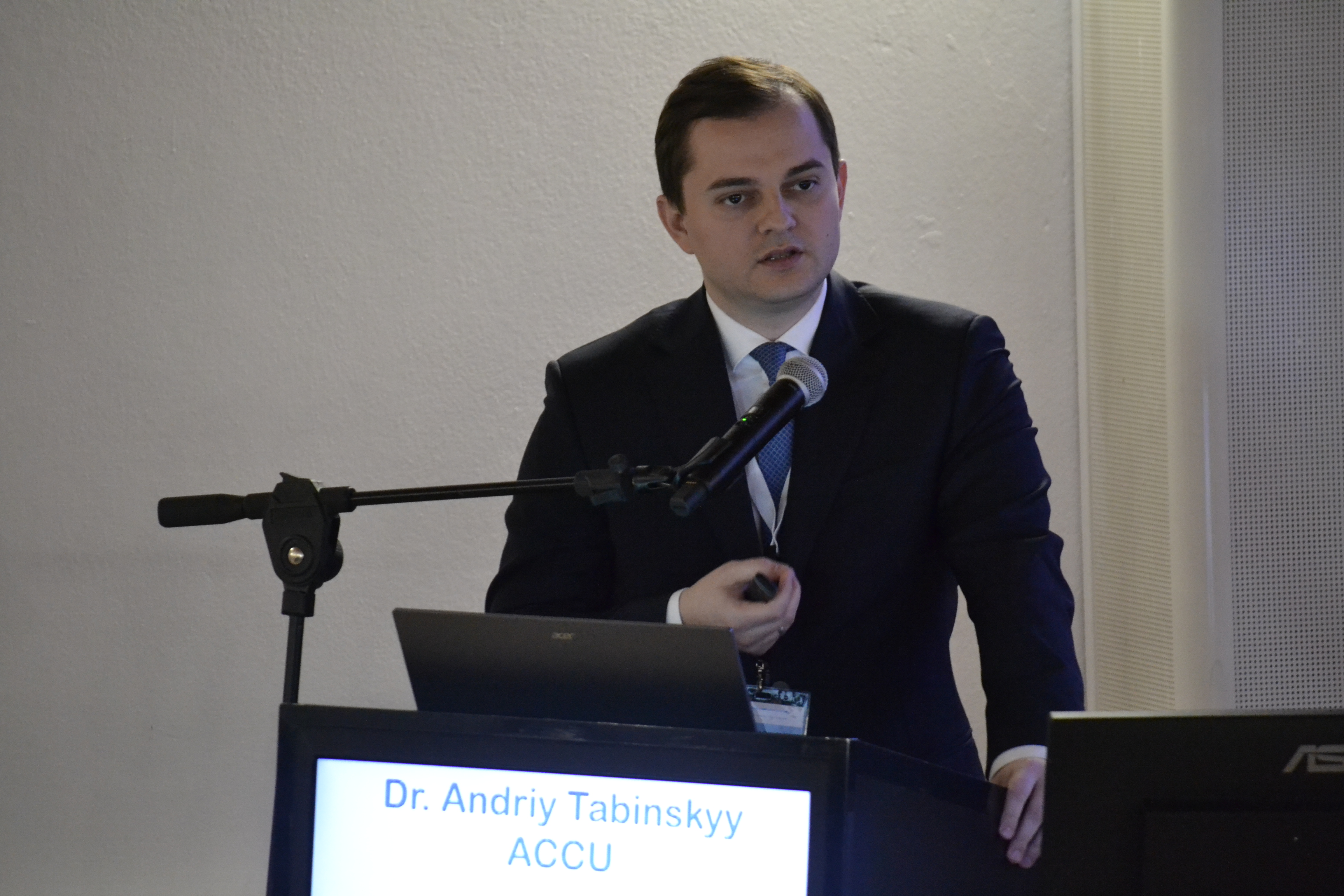
Andriy Tabinskyy, Executive Director, Association of Coal Communities of Ukraine (Accu): «There is no "energy crisis" in Ukraine, there is a full-scale invasion of Russia in Ukraine, there's a war. It's important to Ukrainians that you understand why, right now, we all are facing these energy problems. The Ukrainian government set the phaseout in 2035, this means there will be a closure of mines and thermal powerplants that use coal. Unfortunately, today we see that more than 80% of lost power plants were turned to ruins by Russian missiles, so it's imperative to accelerate the just transition.»
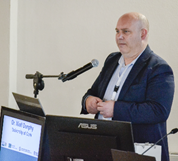
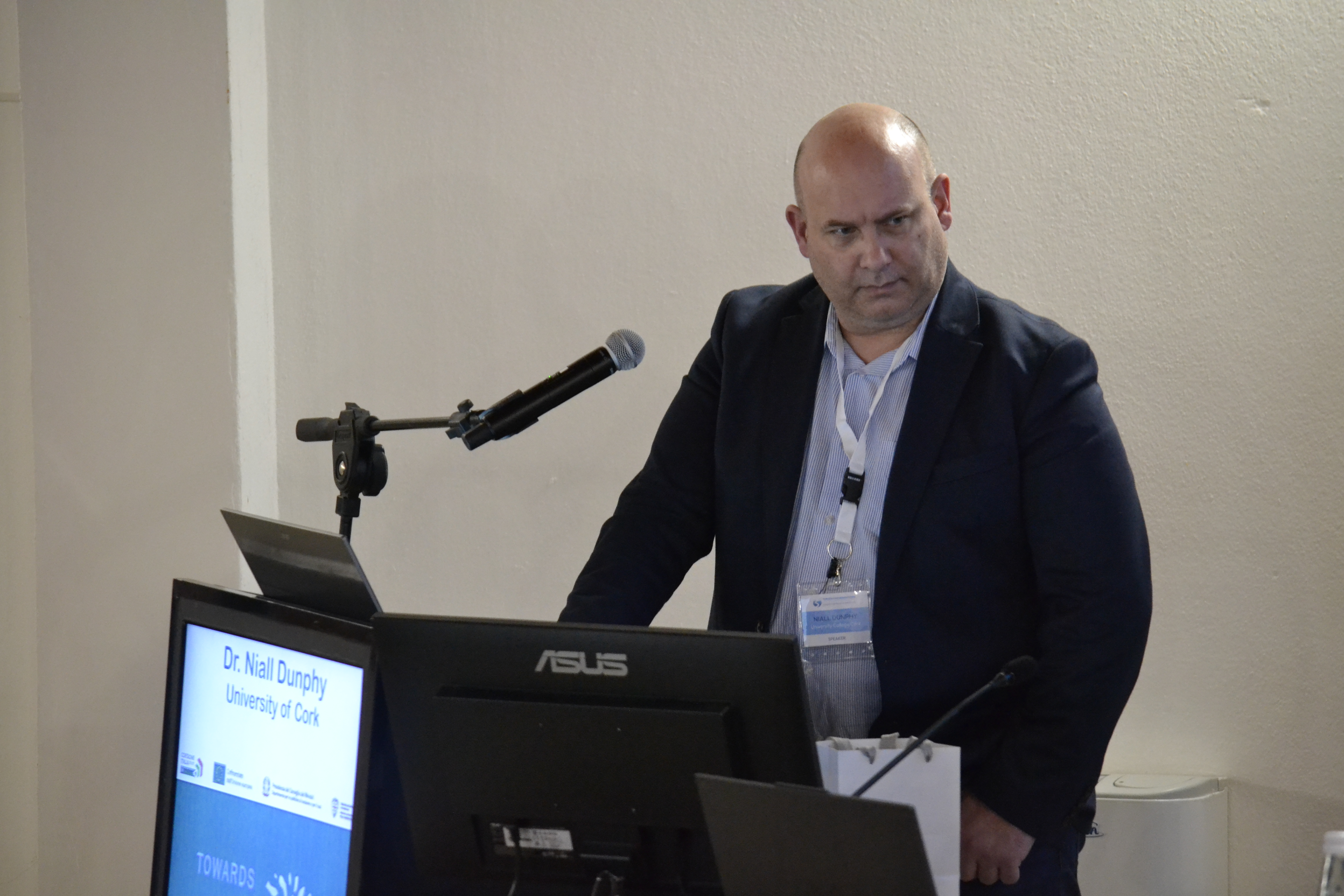
Niall Dunphy, Senior Researcher, University College Cork: «The way we live our daily lives, the way we provide for our family is all going to be changed because of our need to decarbonize. There's a need for inclusive participatory planning processes that incorporate the voices of marginalized groups from the outset. Citizens have a crucial role to play in this transition.»
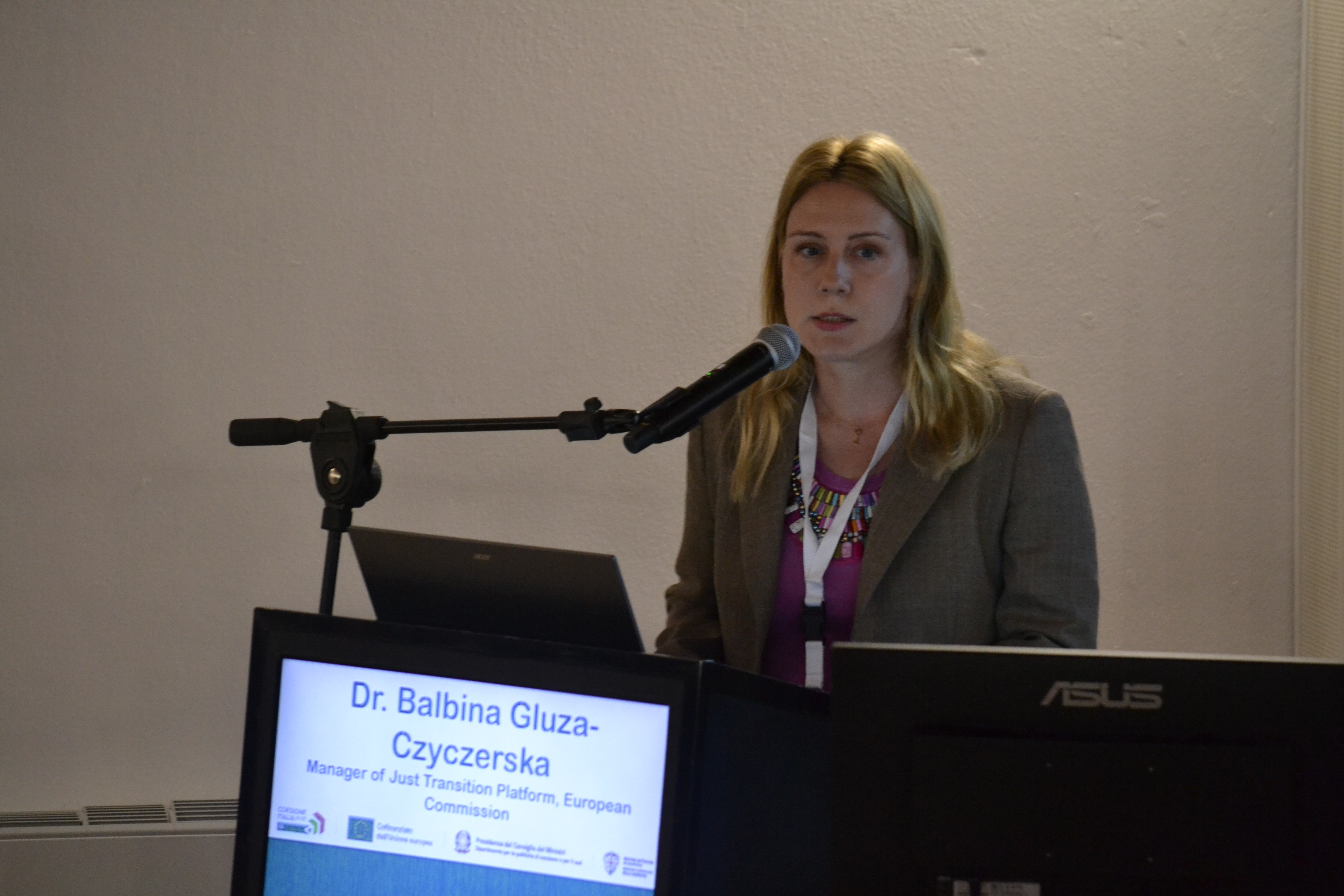
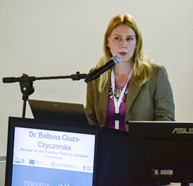 Balbina Gluza-Czyczerska, Just Transition Platform Coordinator, DG REGIO, European Commission: «One of the main achievements of the Jtf is that we focus on the most vulnerable groups, we involve on the board the people that should be heard. Meaning, we try to involve universities, youth associations and women in this process. The integrated approach we carry out has a very targeted territorial scope. For instance, in Italy only two territories out of many have been chosen, because we wanted the support to go directly to those regions that are most hardly hit by the consequences of the energy transition.»
Image gallery
Last update
10/03/2026, 11:46