
International Conference on Energy Transition - Day II
Presentations given during the second day of the International Conference on Energy Transition "Towards a Sustainable Future"
Date:
11 February 2026
The first edition of the International Conference on Energy Transition, "Towards a Sustainable Future", featured 42 presentations and 40 speakers representing five continents. Below is a summary of some of the insights that emerged from the second day.
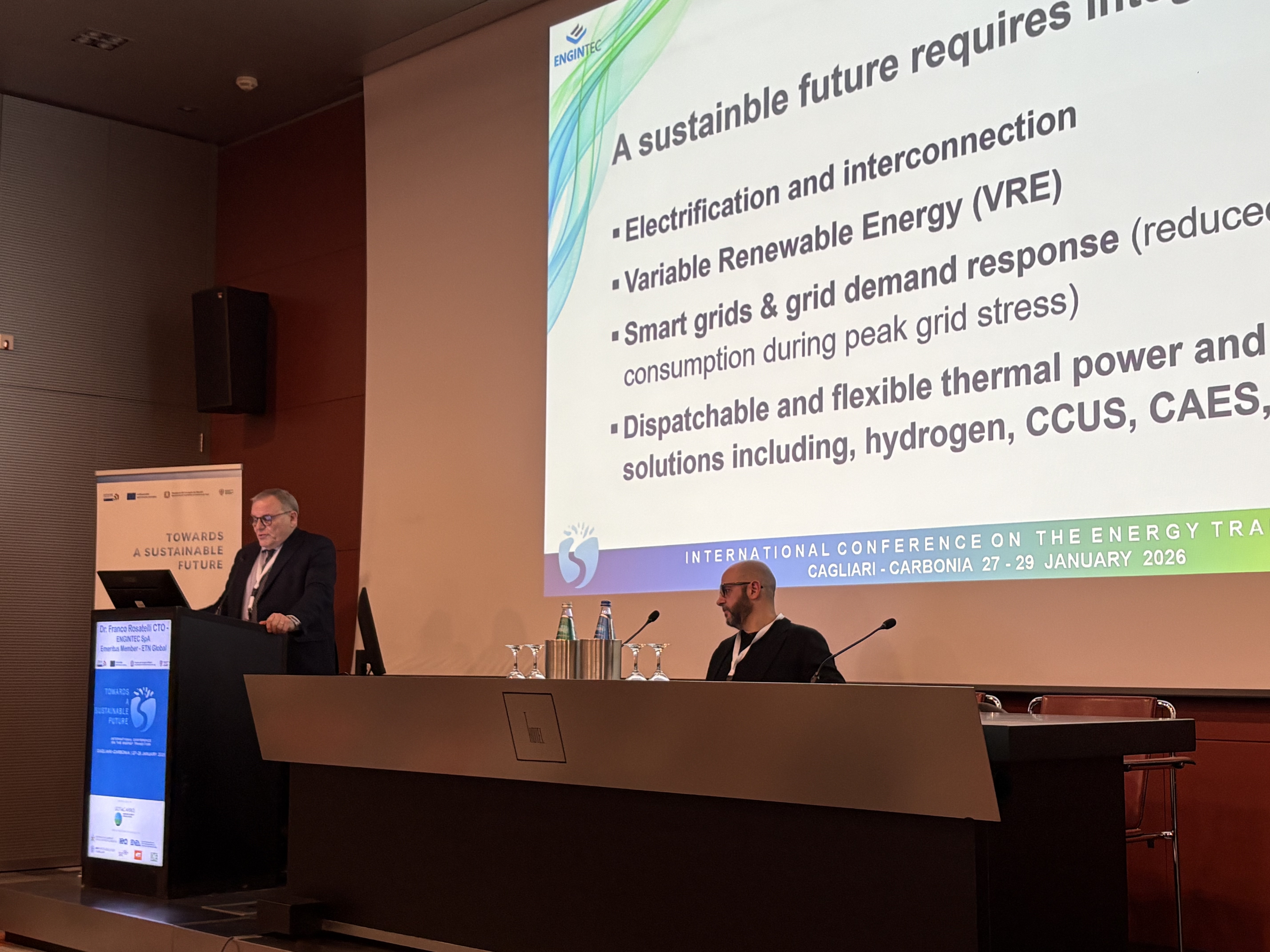
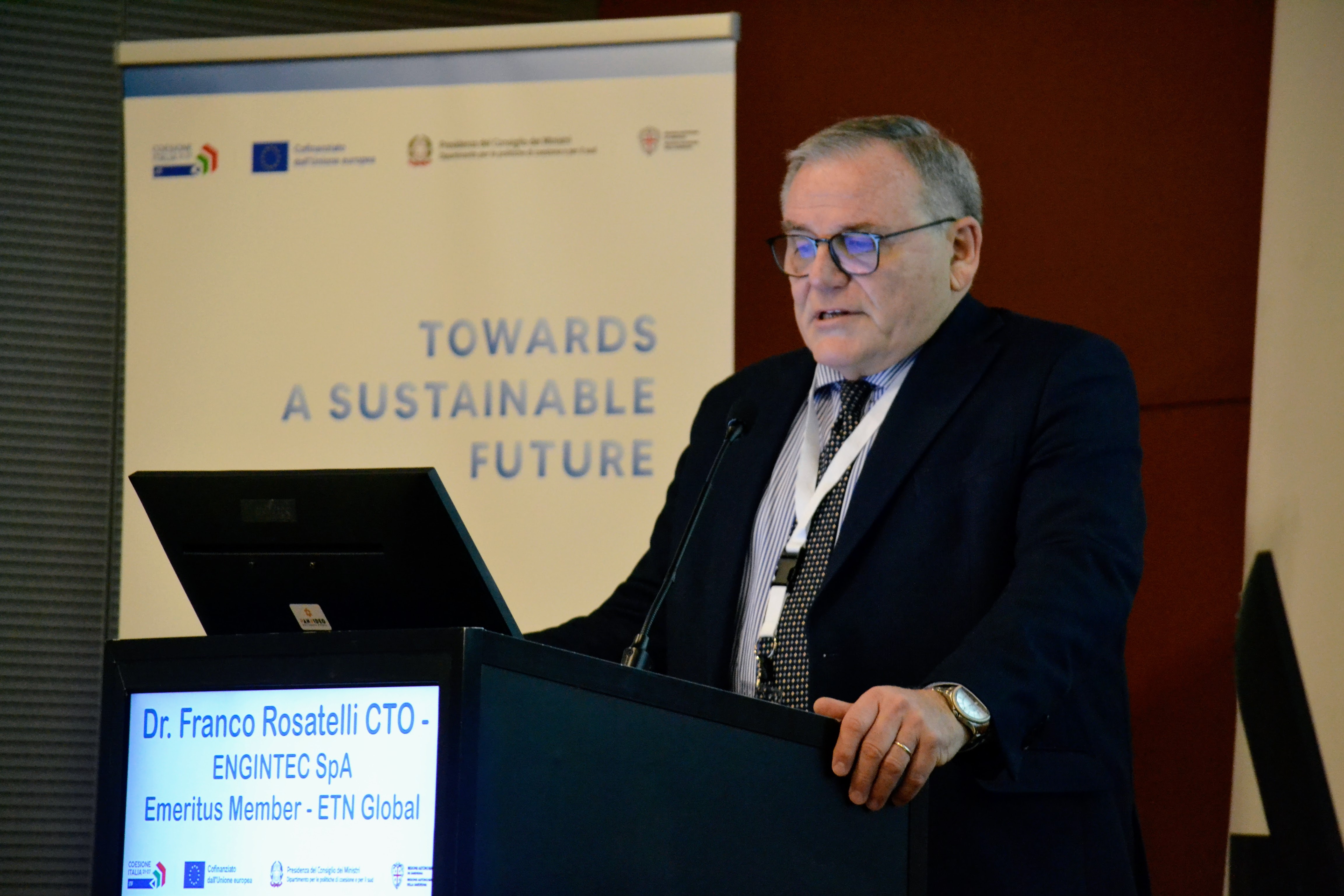
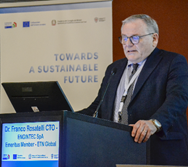 Franco Rosatelli, CTO - ENGINTEC SpA, Emeritus Member - ETN Global: «It is necessary to recognise the critical and flexible role of dispatchable generation technologies, such as thermal turbines, inensuring grid reliability and stability. The industrial sector must offer solutions to replace natural gas and improve the efficiency and flexibility of gas turbines (Gt) to increase their competitiveness in the market. Therefore, gas turbine technology must integrate unique advantages for the use of hydrogen and carbon-neutral fuels. Turbomachinery is a vital cornerstone for a successful energy transition as a net-zero energy system.»
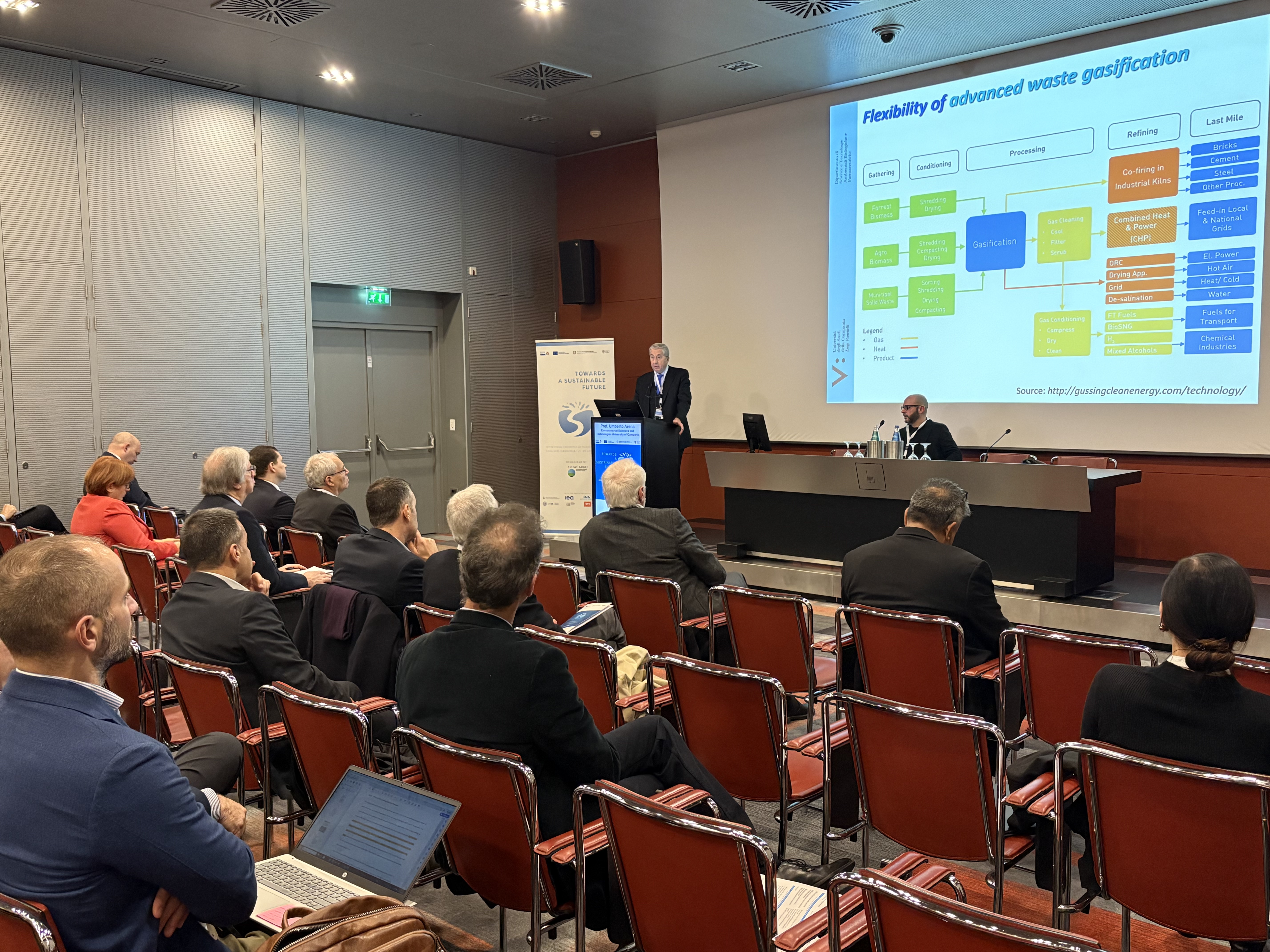
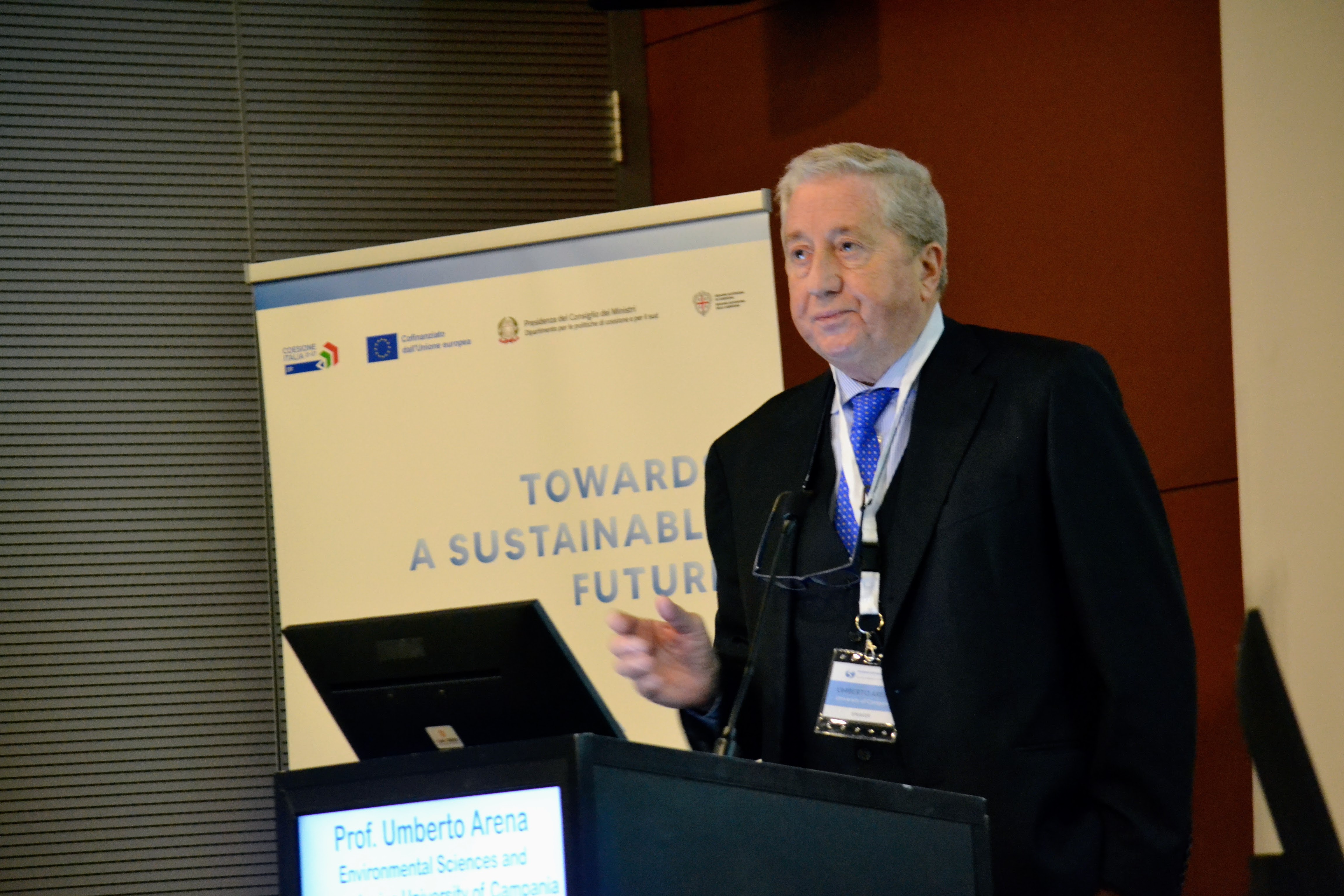
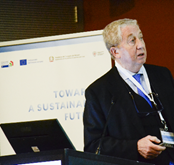 Umberto Arena, Environmental Sciences and Technologies, Università della Campania: «Through gasification processes, we can produce electricity, heat, and combustible gases such as hydrogen from non-recyclable waste materials. This allows us to transform an environmental problem into a clean energy resource at increasingly competitive costs.»
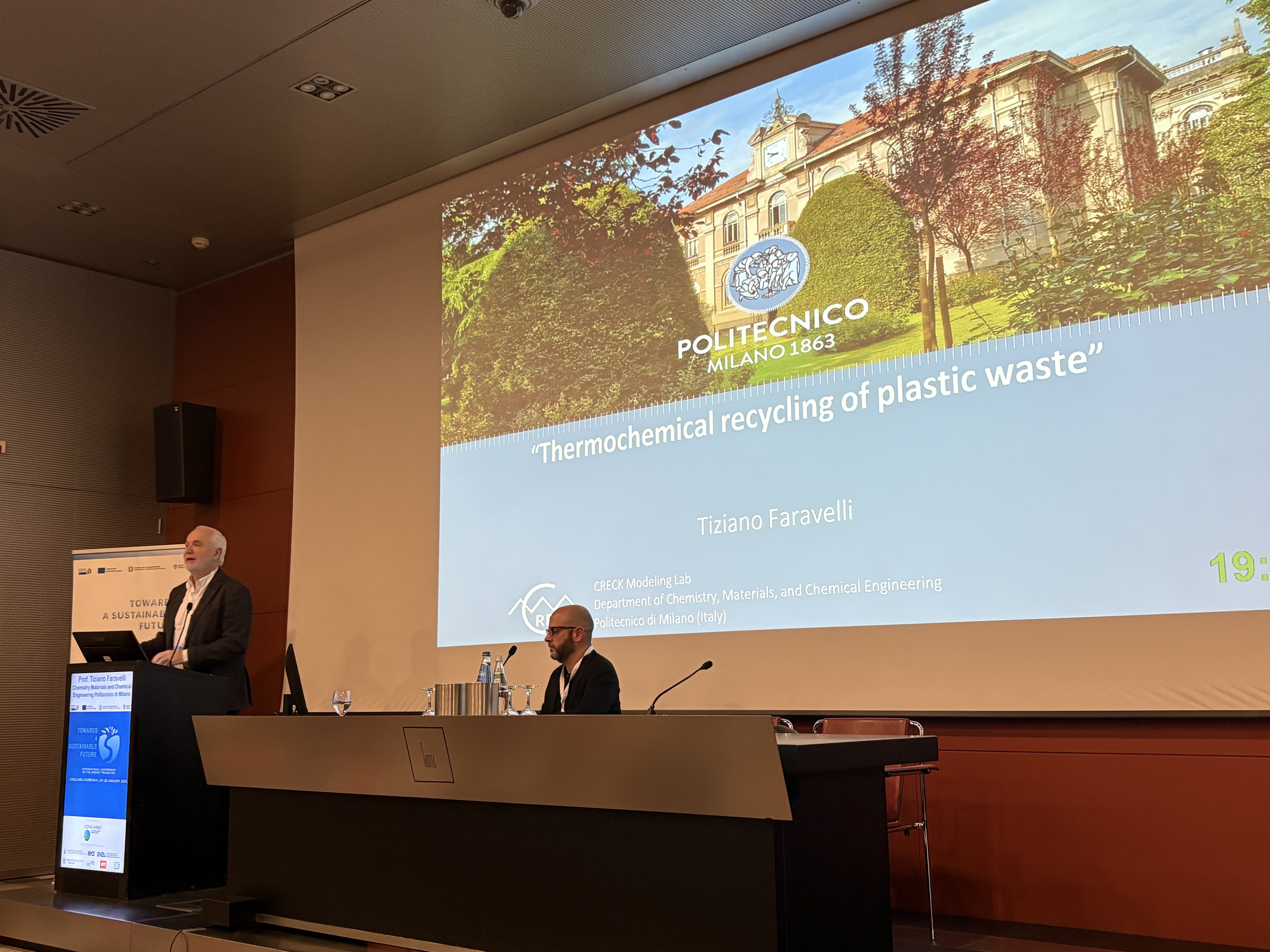
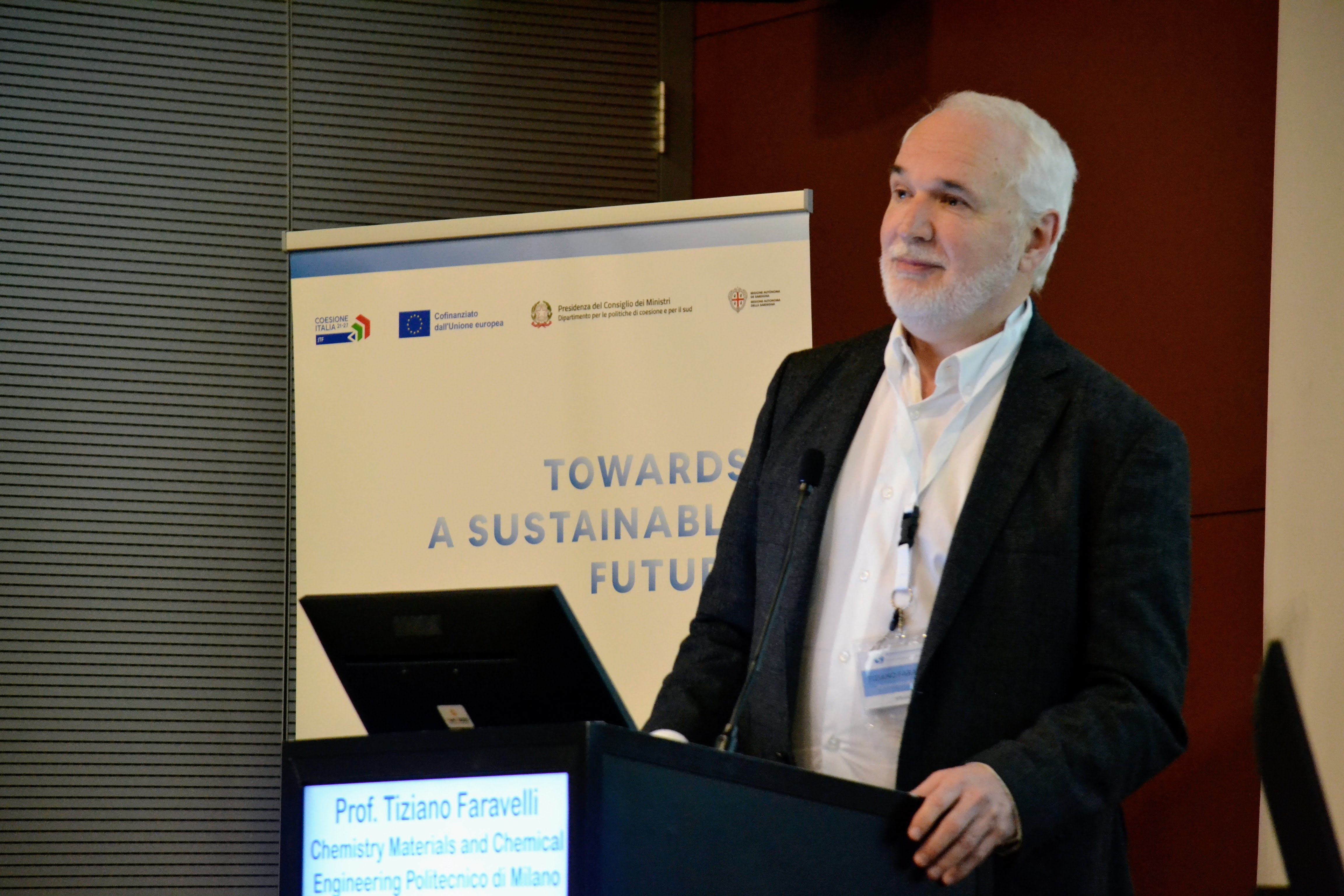
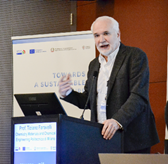 Tiziano Faravelli, Chemistry, Materials and Chemical Engineering, Politecnico di Milano: «Within the effort of green house gasses emission reduction, recycling can play a fundamental role: our society is in some way based on plastic use. Everyday life in our life, and in the industry, construction and healthcare sectors, we rely on a lot of plastic objects, Plastic material is flexible, lightweight and has good cost effectiveness. Plastic thermochemical recycle is a complex process, but despite the complexity, the understanding of different phenomena is growing rapidly: it is time to move to a new generation of pyrolizers and gasifiers.»
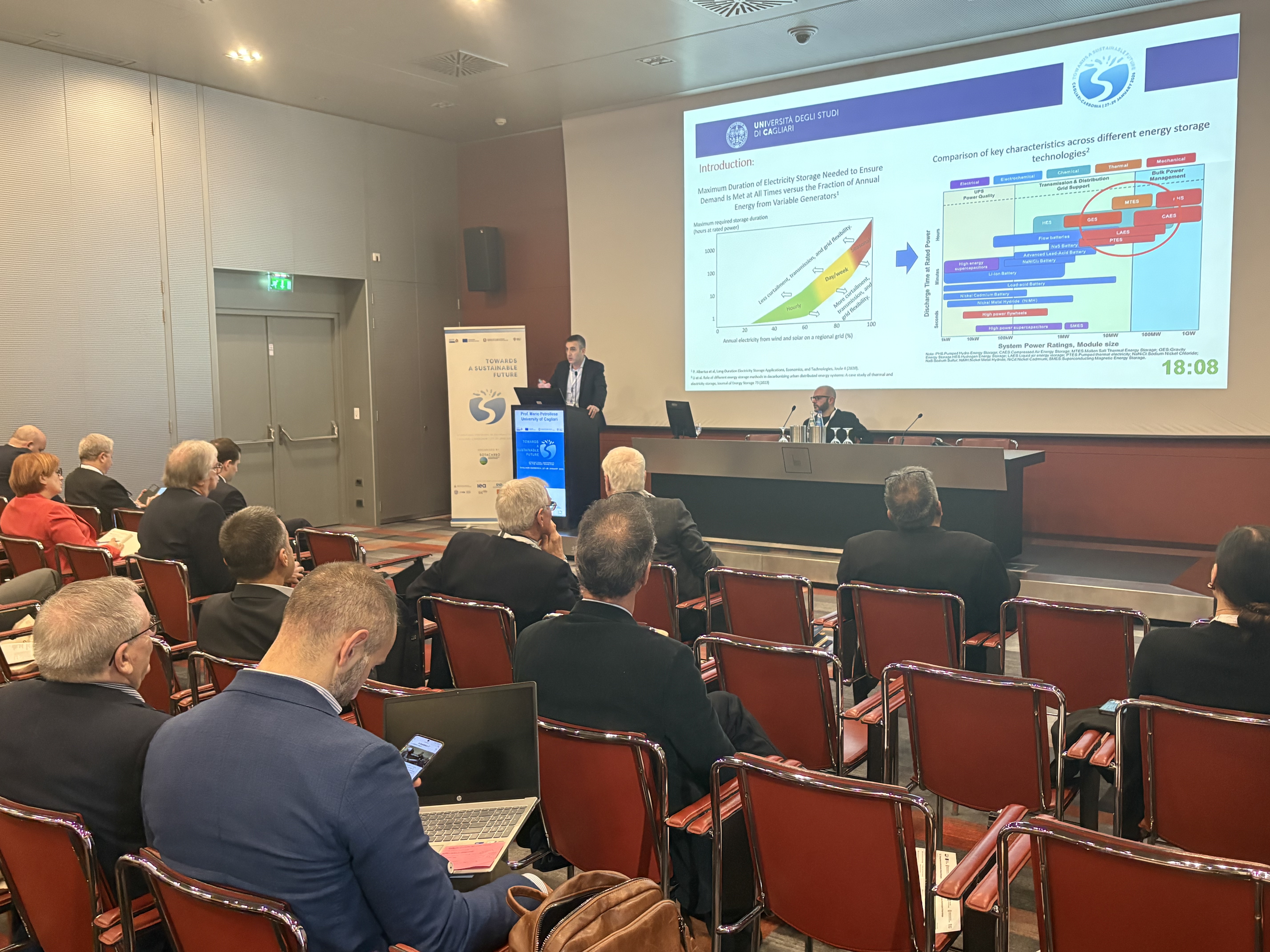
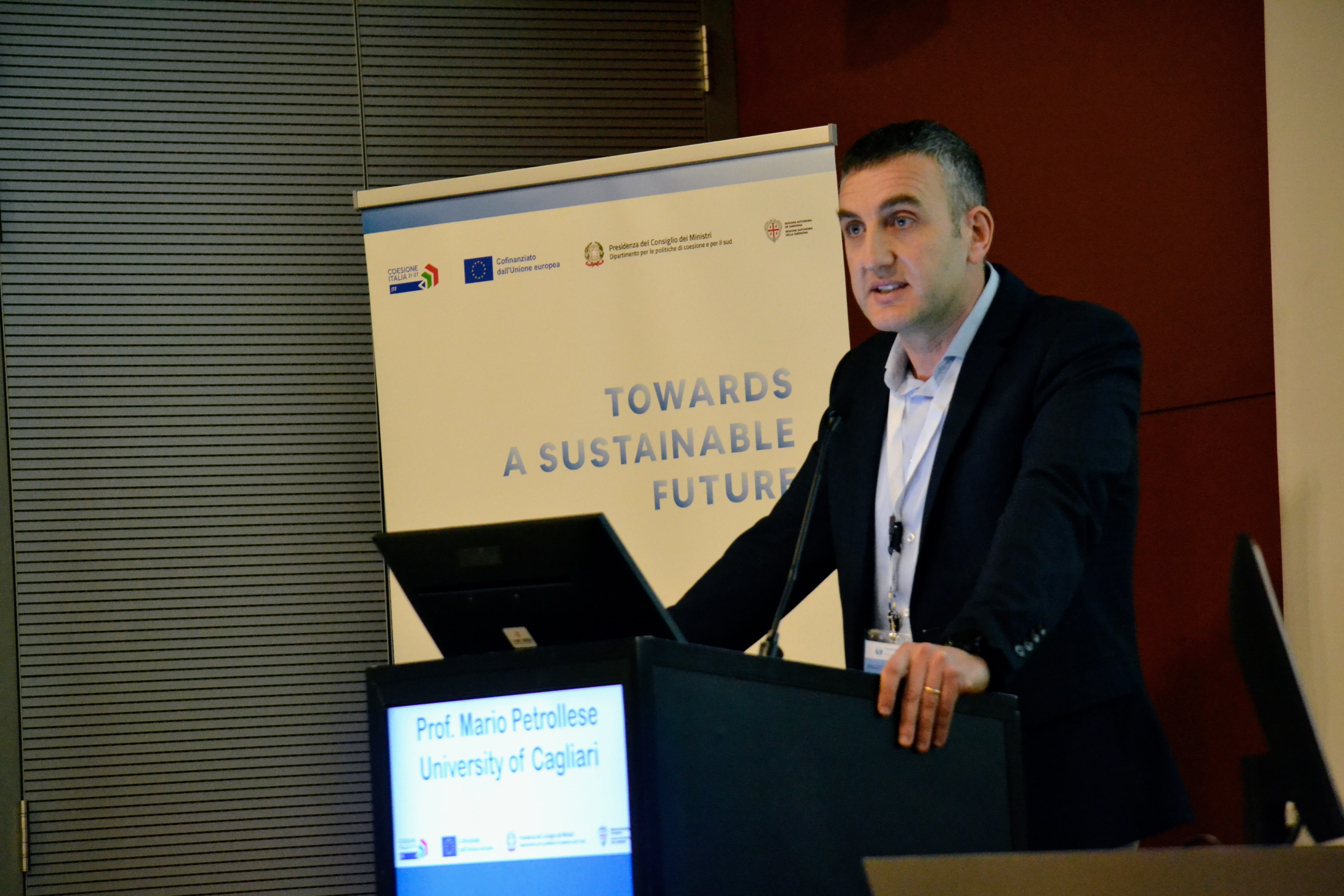
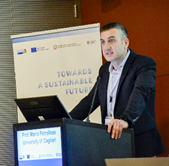 Mario Petrollese, Industrial and Information Engineering, Università di Cagliari: «In a Carnot battery, the electric energy is used to establish a temperature difference between two environments, and then it is stored as thermal exergy. These batteries offer strong potential for large-scale, long-duration energy storage, but their deployment depends on overcoming challenges in terms of efficiency, cost and integration.»
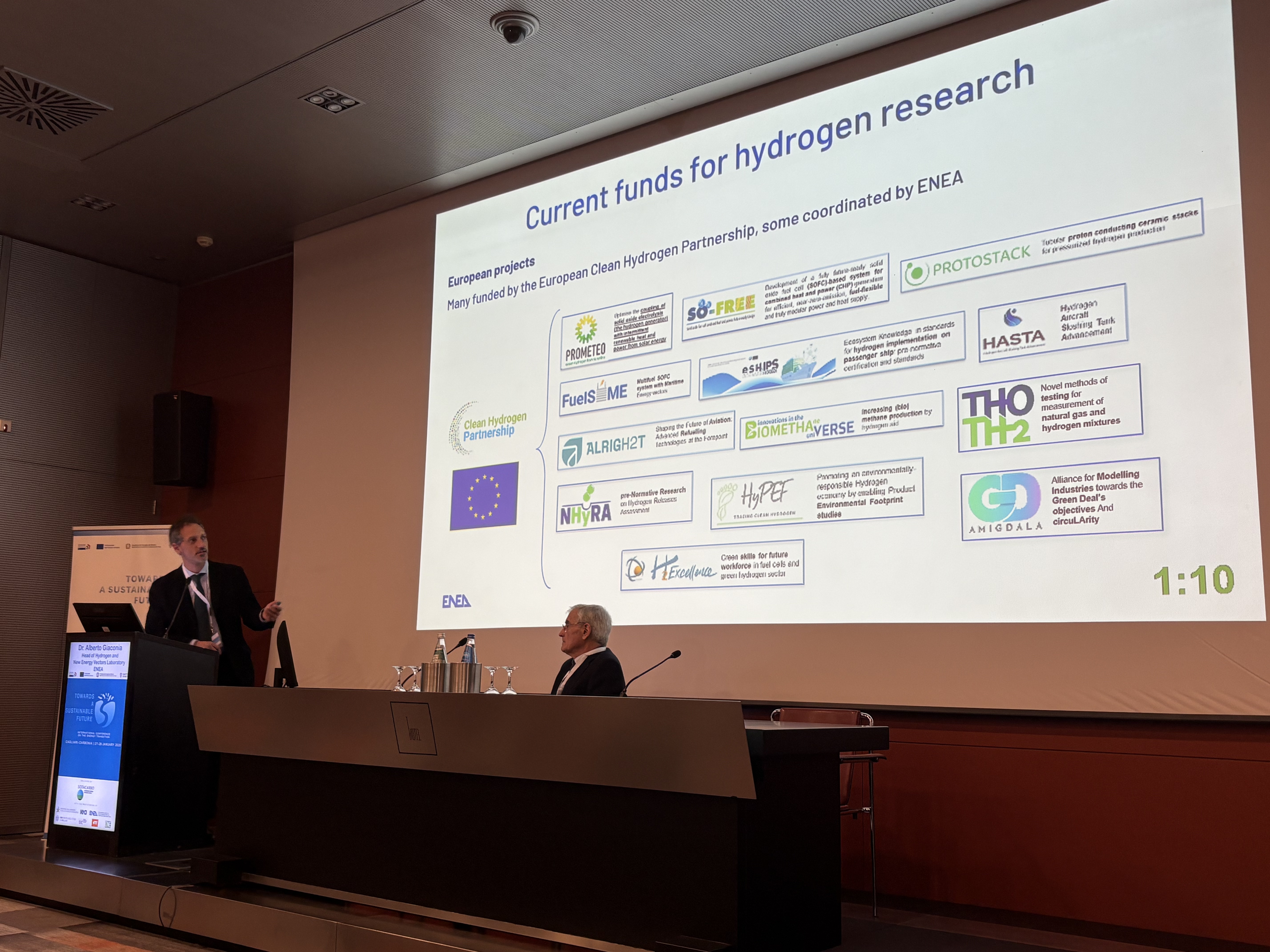
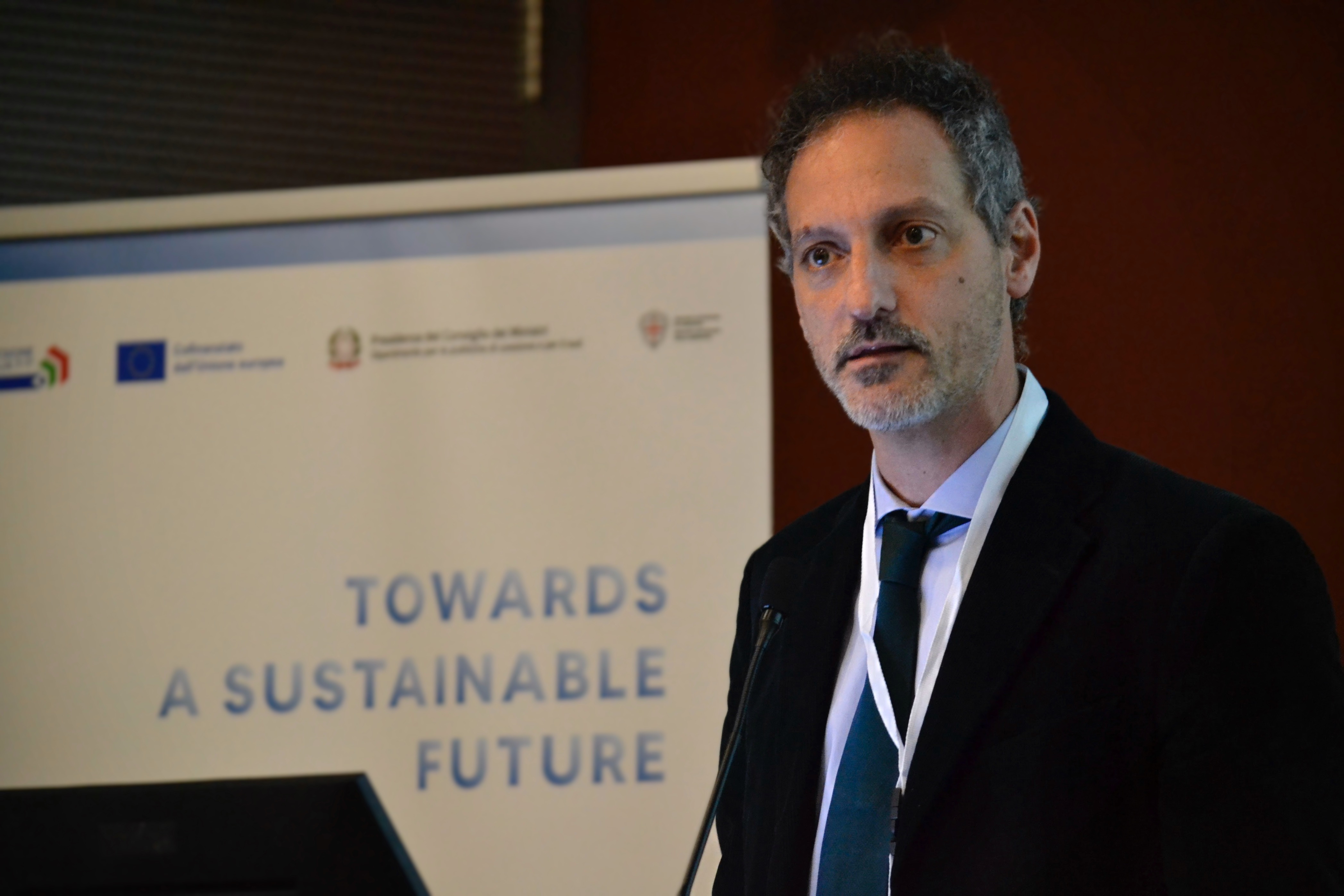
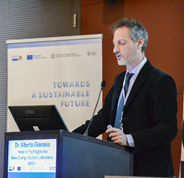 Alberto Giaconia, Head of the Laboratory for Hydrogen and new Energy Vectors, ENEA: «Hydrogen is a flexible system that connects gas with the power energy system, allowing for more reliability and security. Currently, we are in what I call "the valley of death", the moment when research is providing the results, the output and we have already some technologies available in the market that can be implemented at industrial scale. But now it’s time to deliver and test these technologies using them in industrial environments. This is the reason why we need to continue to support the development of industrial hydrogen production, consumption, distribution and storage.»
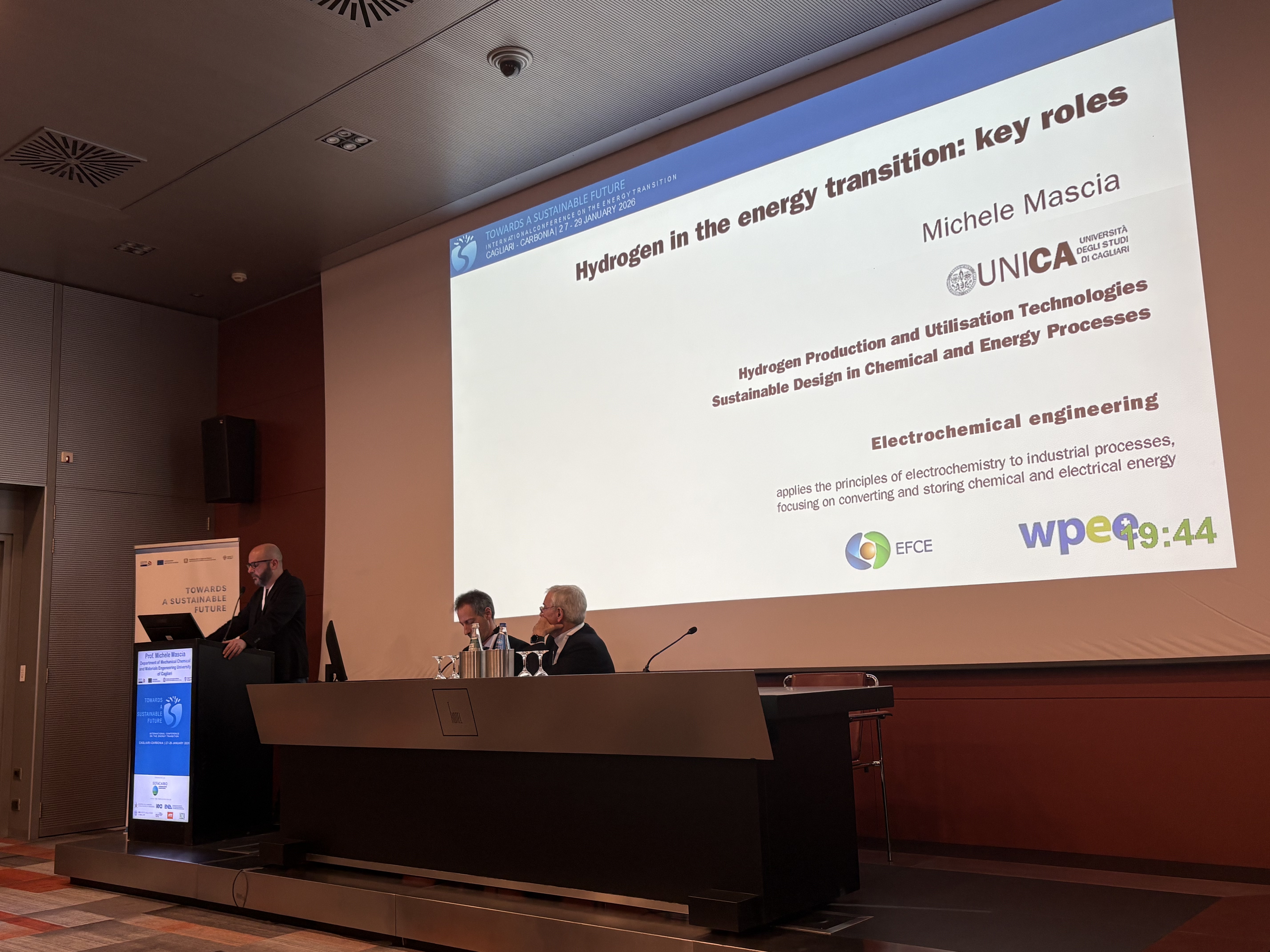
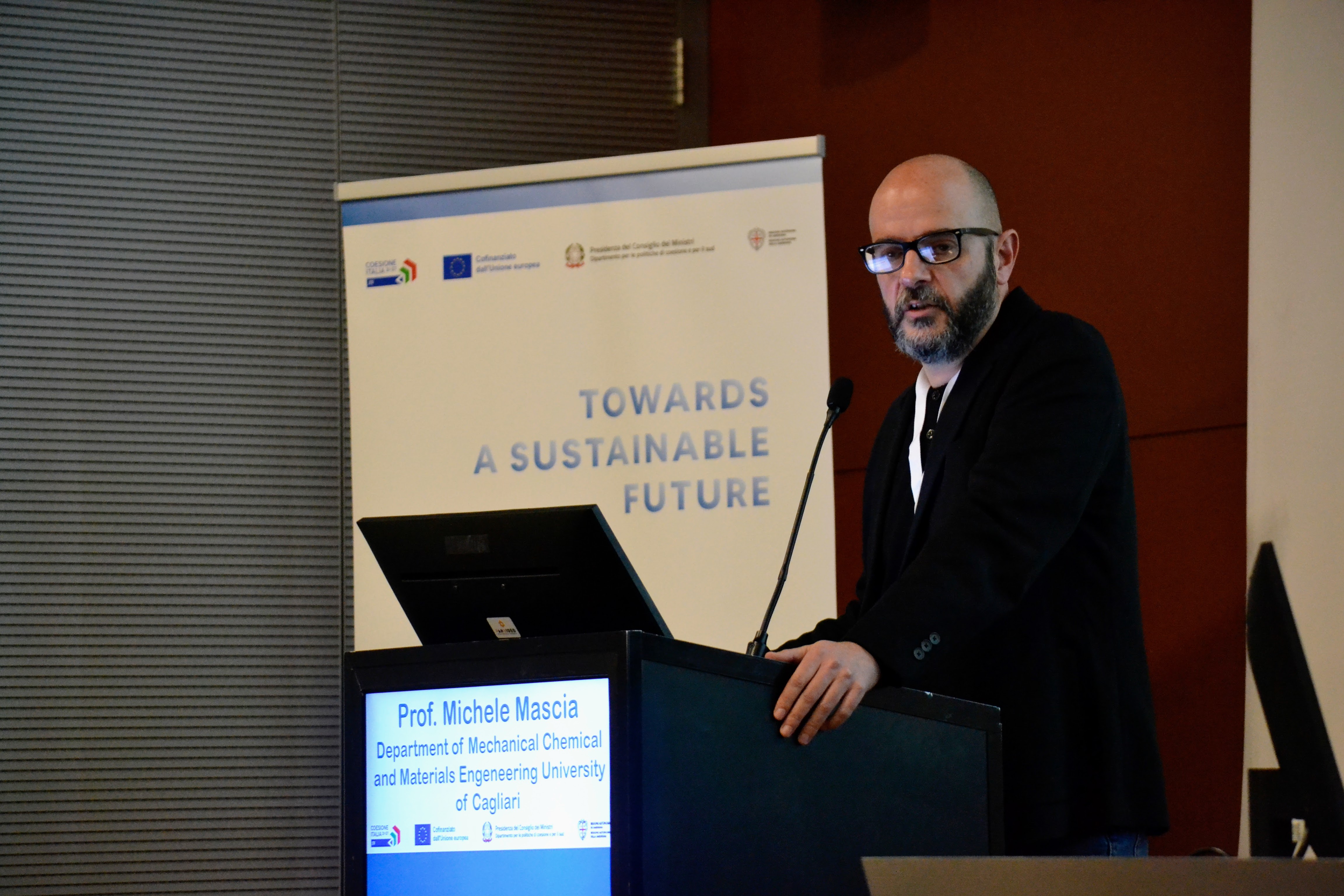
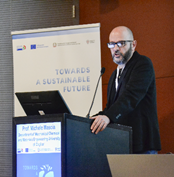 Michele Mascia, Industrial and Information Engineering, Università di Cagliari: «Developers of green hydrogen have scaled back investments and scrapped projects globally as elevated production costs and weak demand for the low-carbon fuel have made many ventures unviable. Hydrogen is not dead, but the "hydrogen for everything" era has failed, and it is now maturing into a necessary, but limited, tool for specific decarbonization tasks.»
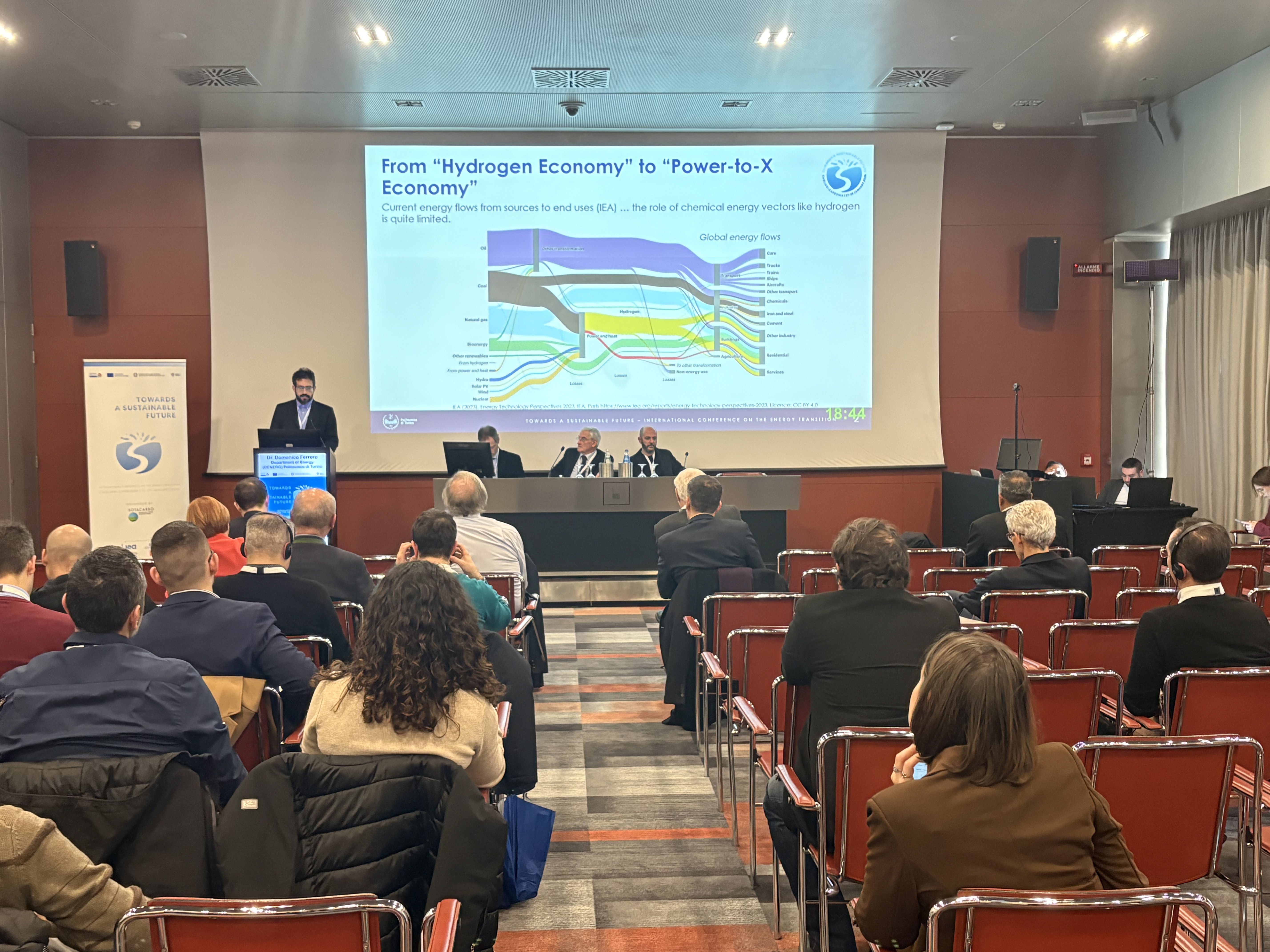
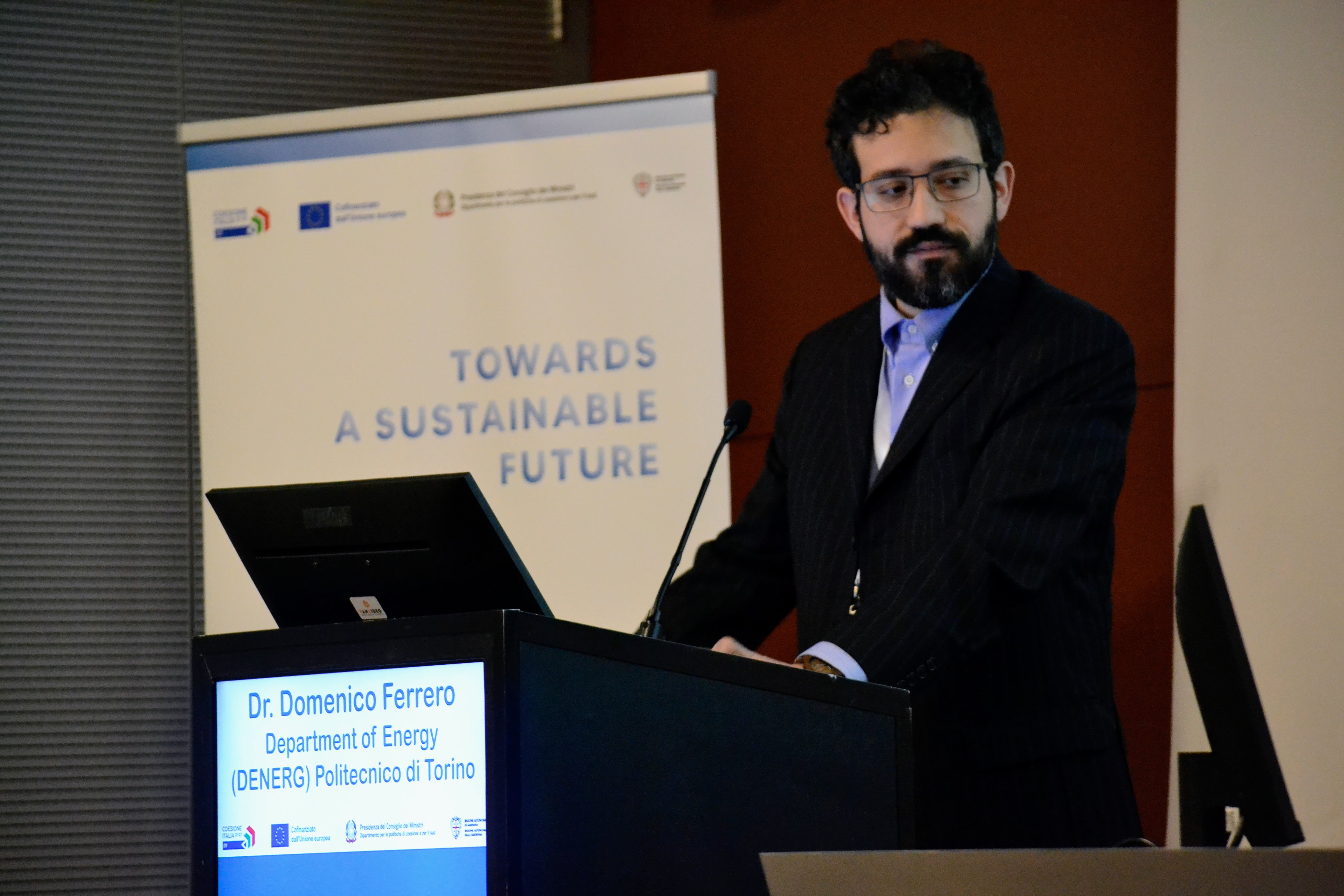
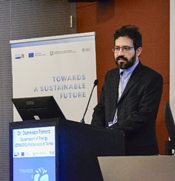 Domenico Ferrero, Energy Department, Politecnico di Torino: «Electricity is the foundation, hydrogen is a strategic intermediate and CO2 is a renewable carbon resource: together they enable deep decarbonization, more so because integrated systems lower costs. H2 and CO2 are partners in the clean economy.»
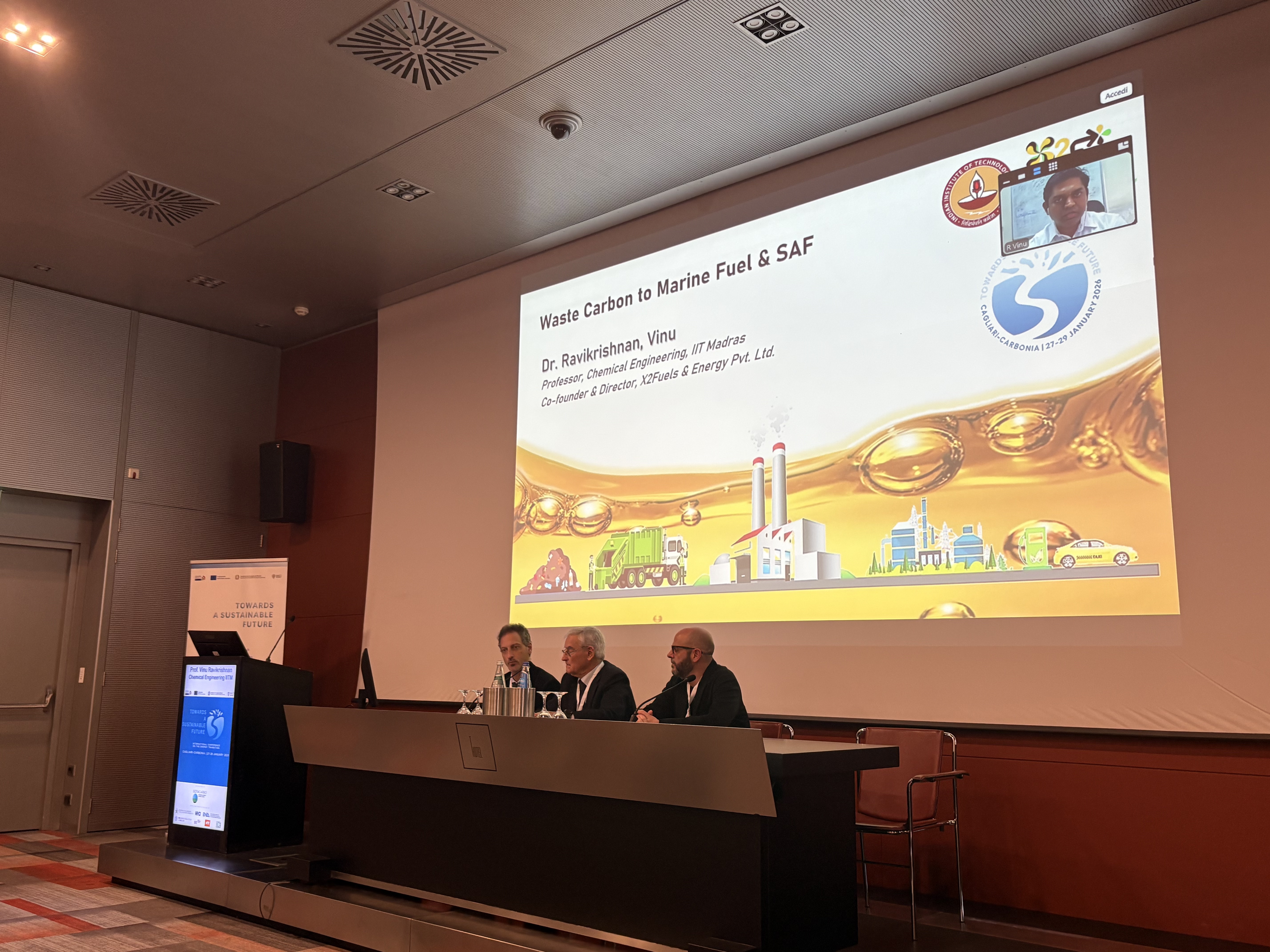
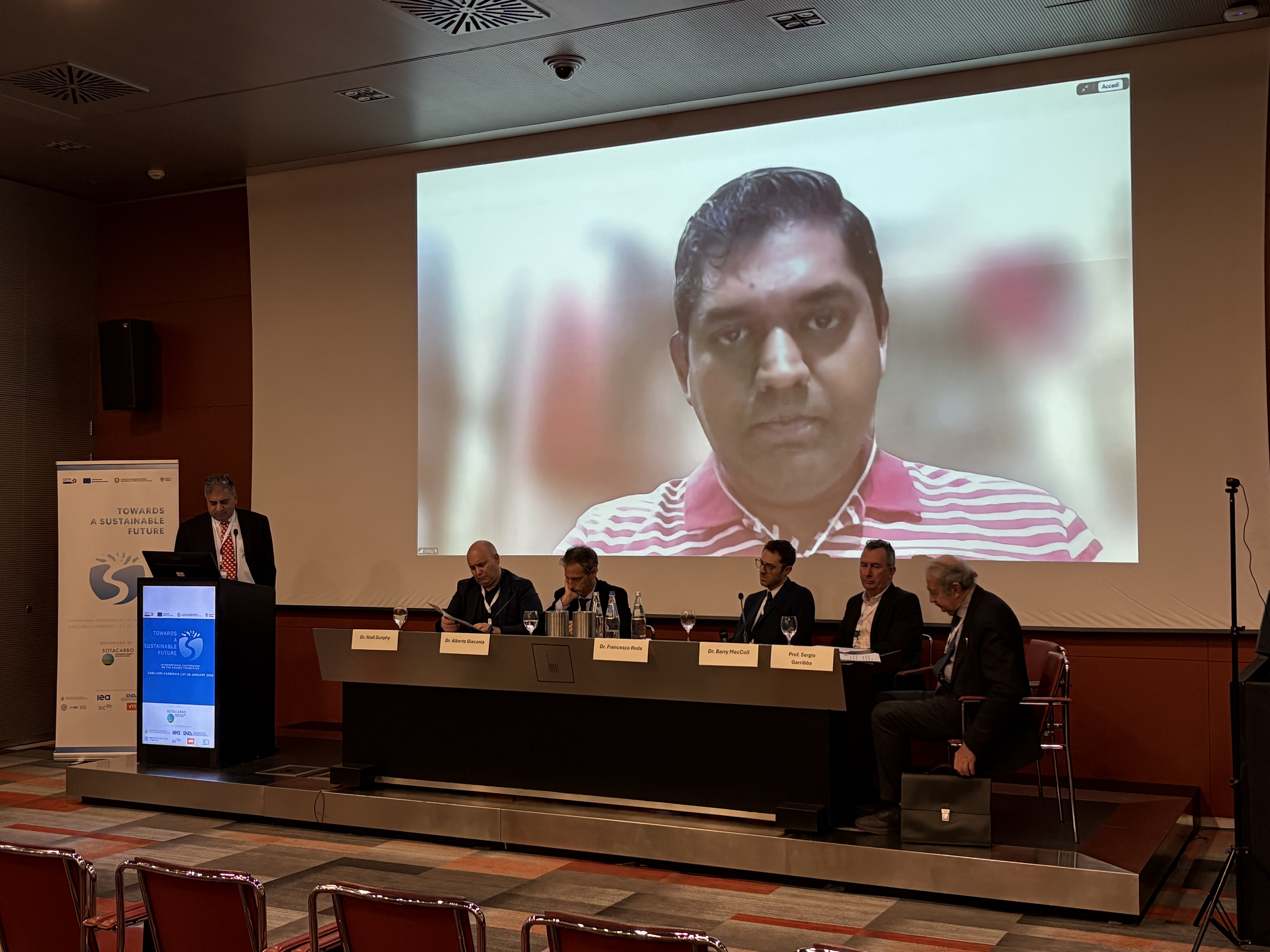
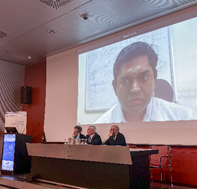 Vinu Ravikrishnan, Chemical Engineering, Indian Institute of Technology Madras (IITM): «Digestate, the nutrient rich residue from anaerobic digestion, represents a valuable organic fertilizer that can effectively substitute chemical fertilizers while improving soil health and reducing greenhouse gas emissions. India's vast biomass base positions the country as a global leader in digestate production potential.»
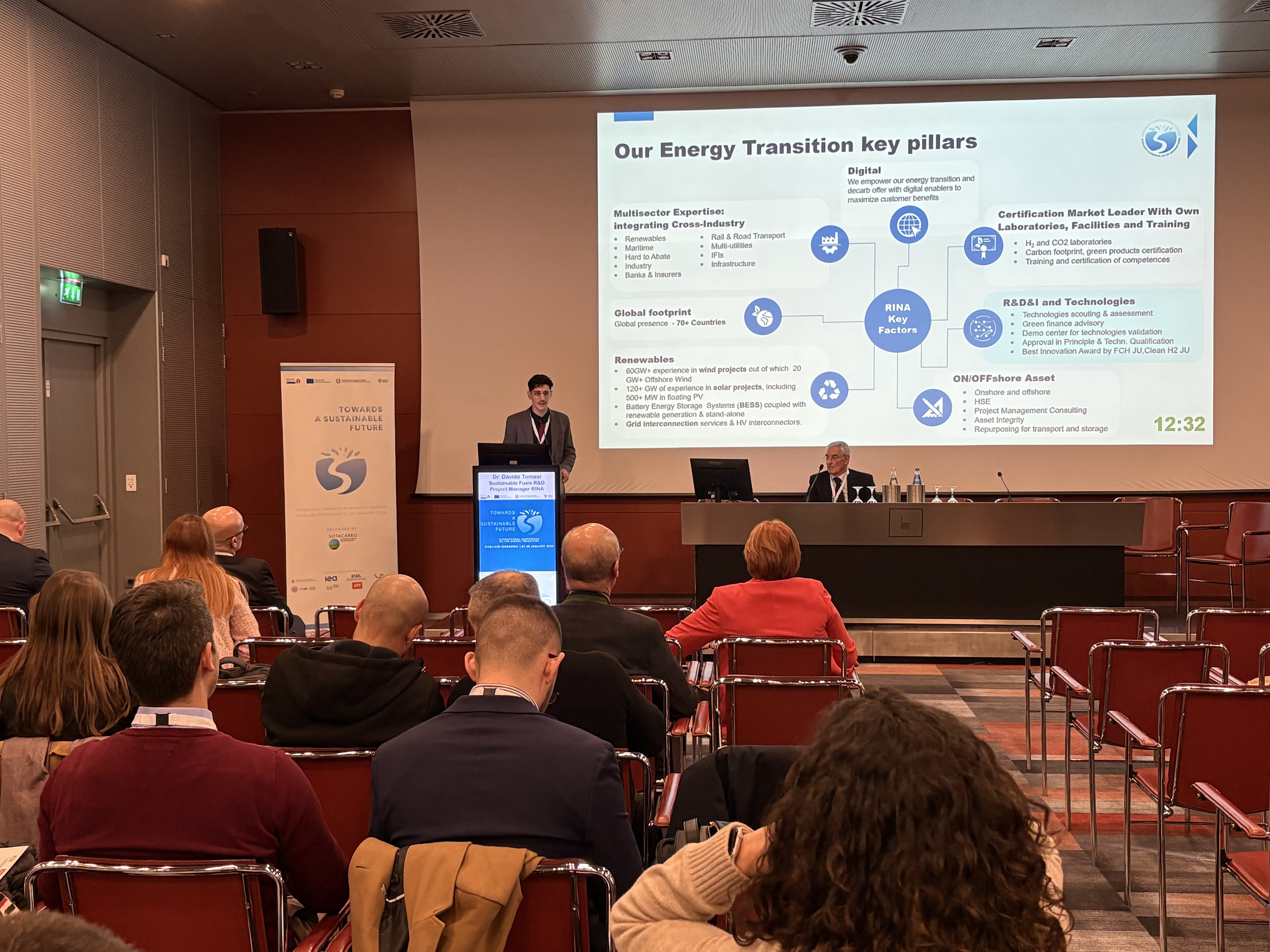
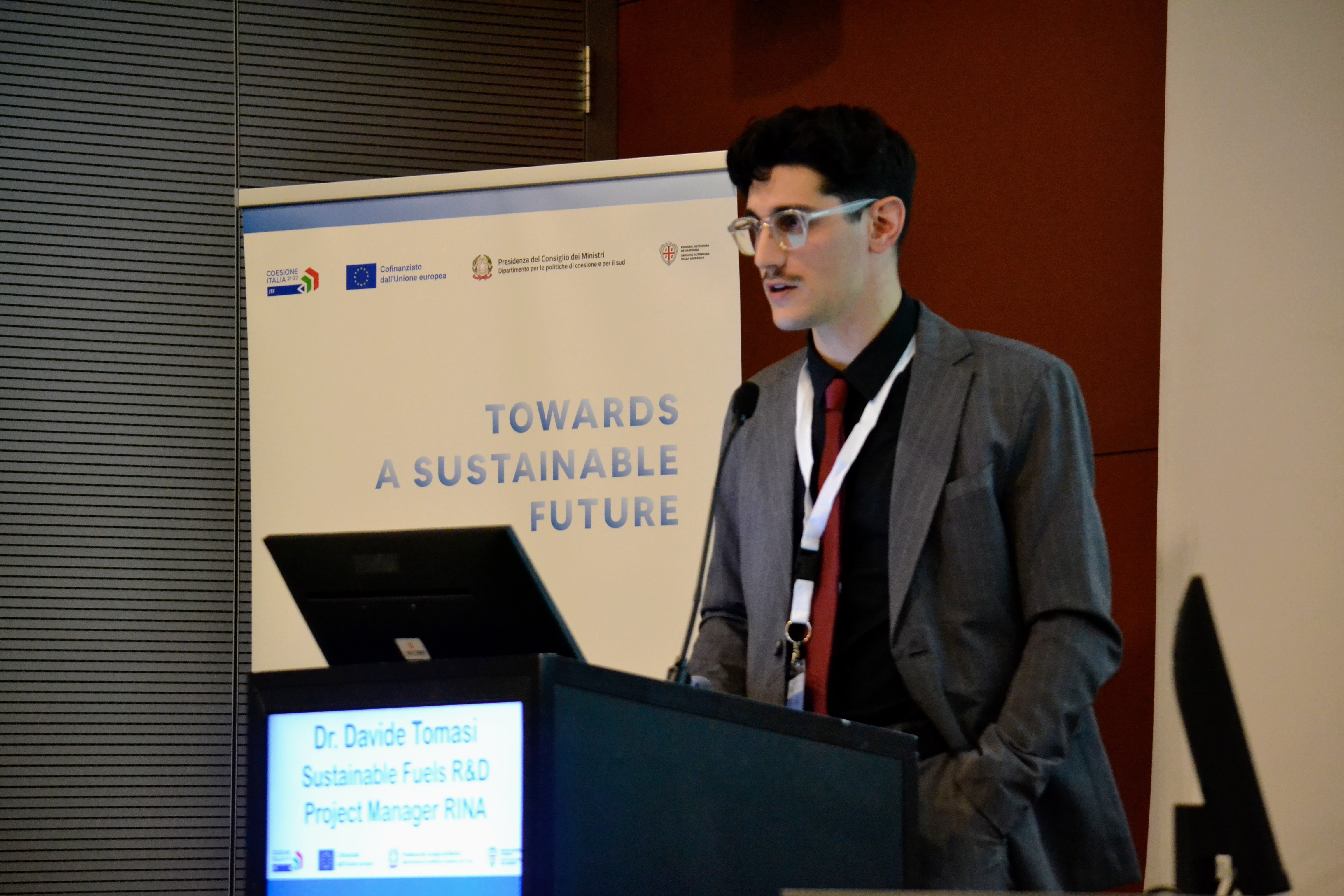
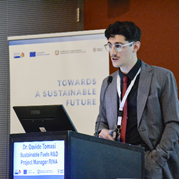 Davide Tomasi, Project Manager, RINA: «Turning hydrogen ambition into real, bankable projects requires more than technology, it demands clarity, coordination and a realistic view of what enables scale.»
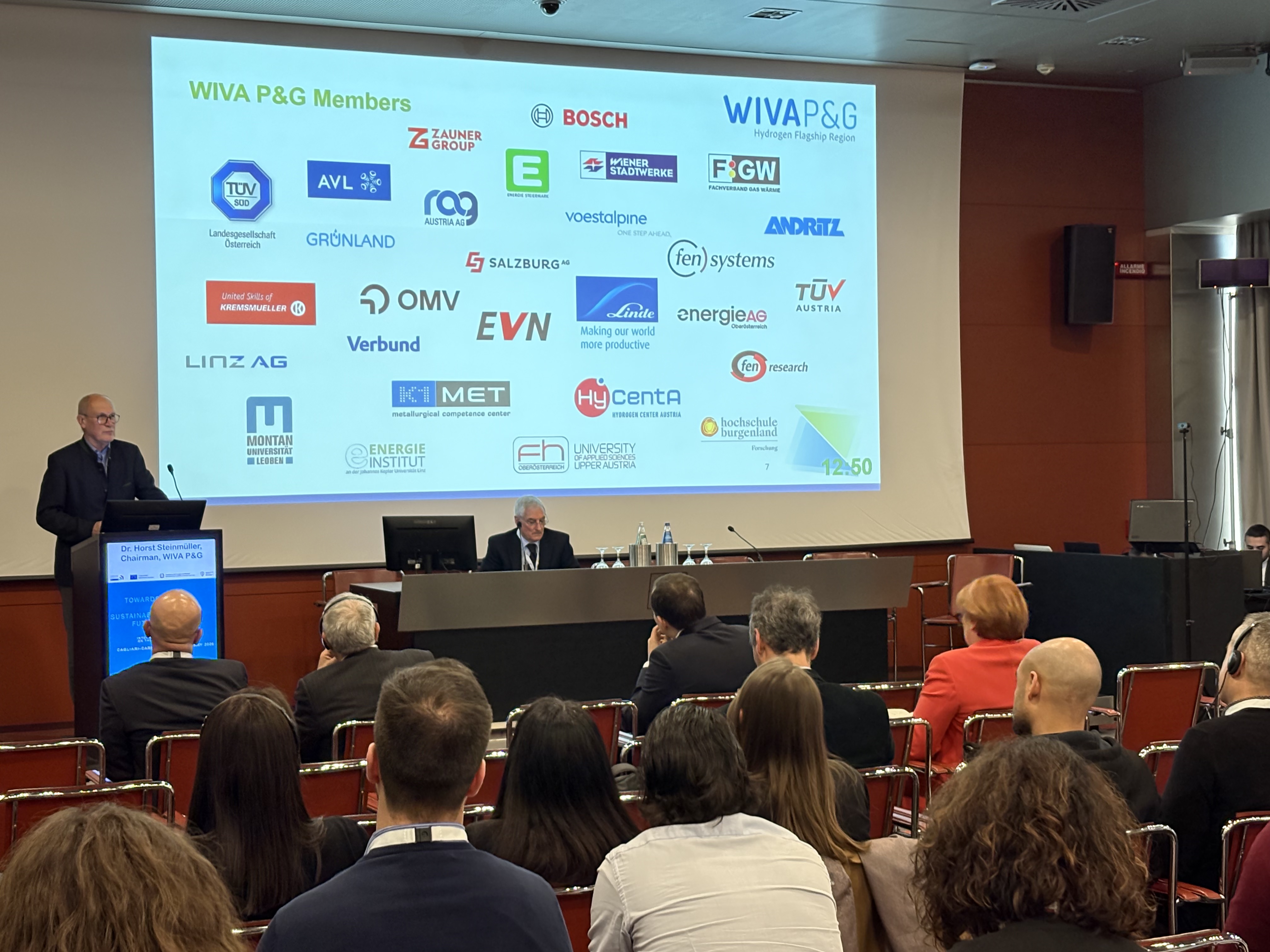
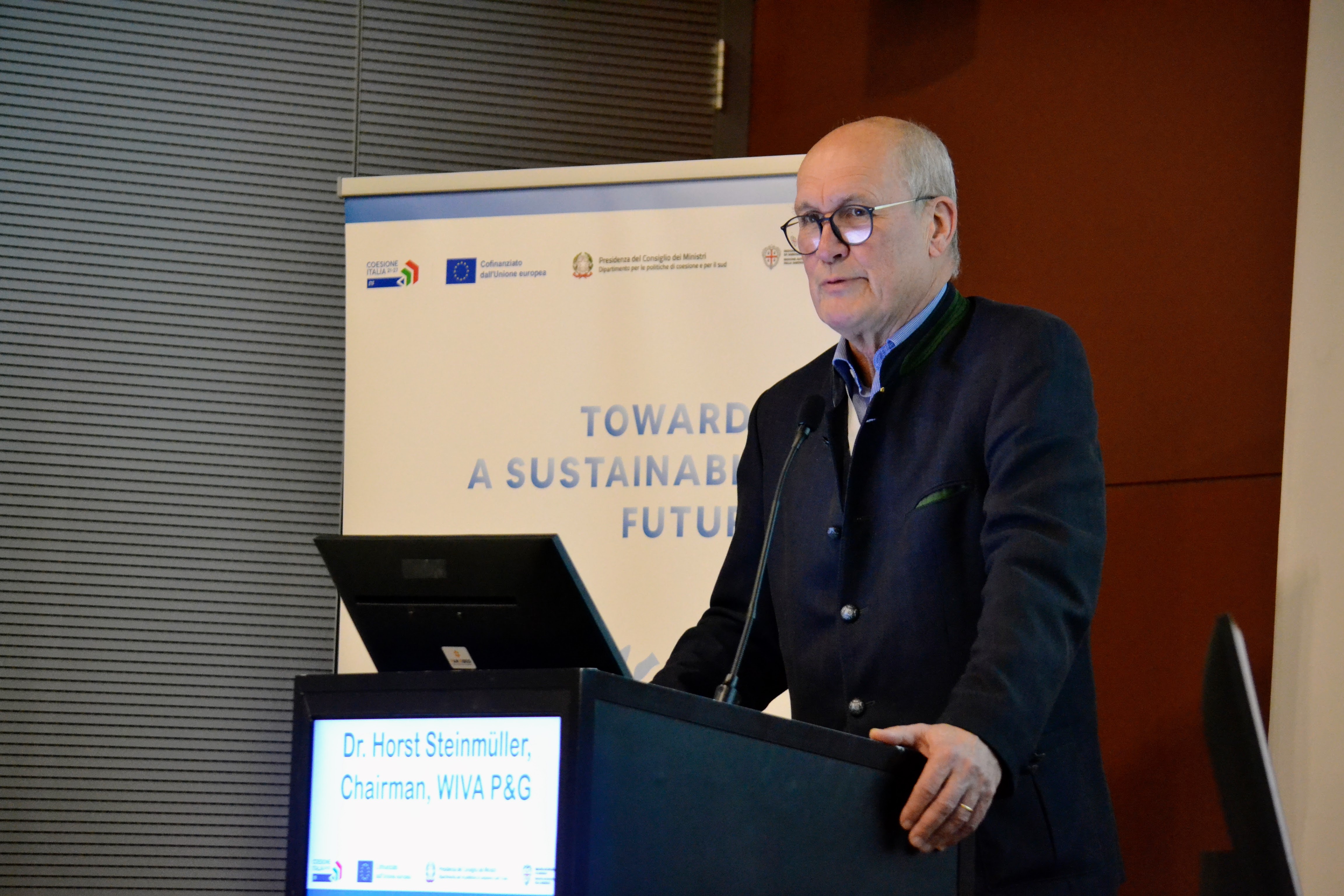
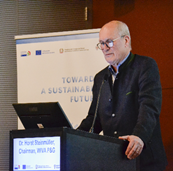 Horst Steinmüller, Chairman, WIVA P&G: «A global market for hydrogen and its derivatives will emerge, with Europe as an importer and Africa and Australia in particular expected to develop as exporting countries. Even if the current situation is difficult for introducing climate-neutral technologies, hydrogen will prevail in industry.»
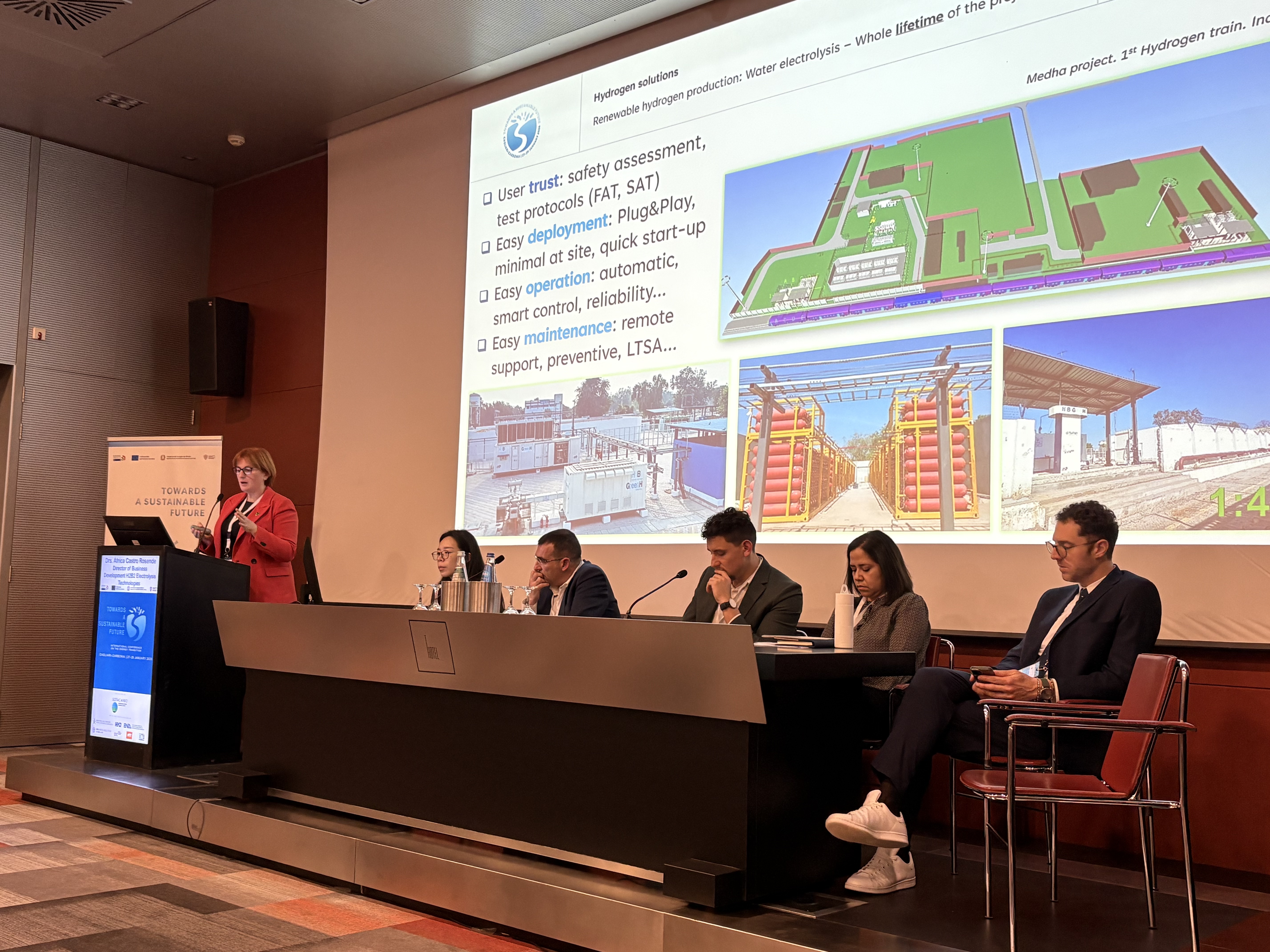
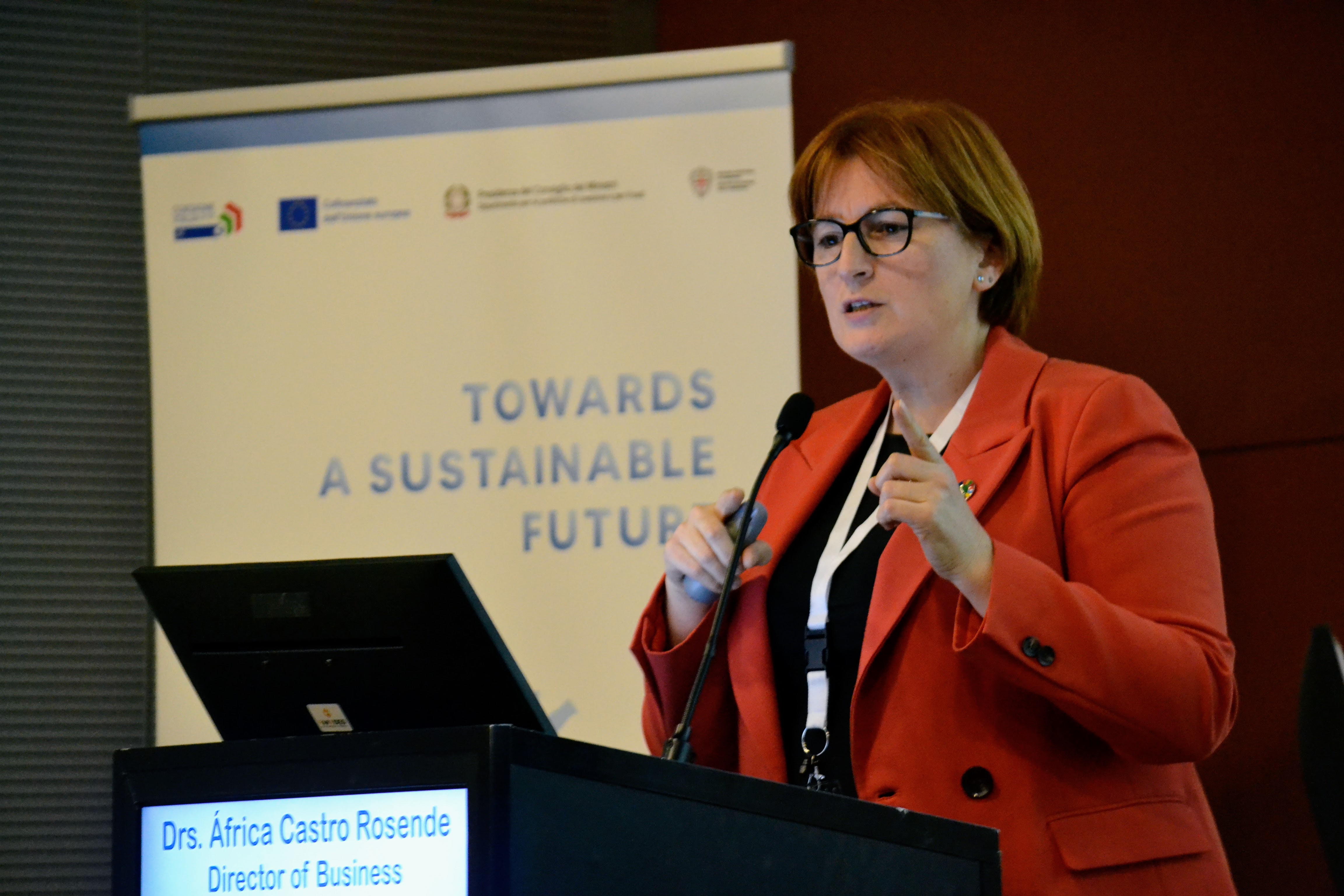
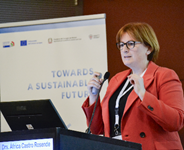 África Castro Rosende, Director of Business Development, H2B2: «Through the electrolysis process, hydrogen (H₂) is produced when applying electrical current to water. No combustion is involved: it is a zero-emission process. The consumption of water is very limited, and it's even lower than conventional processes. An electrolyzer of 1 Megawatt, one that can be used to fuel a fleet of 20 buses, it will use just the amount of water that you consume with the hose in your garden.»
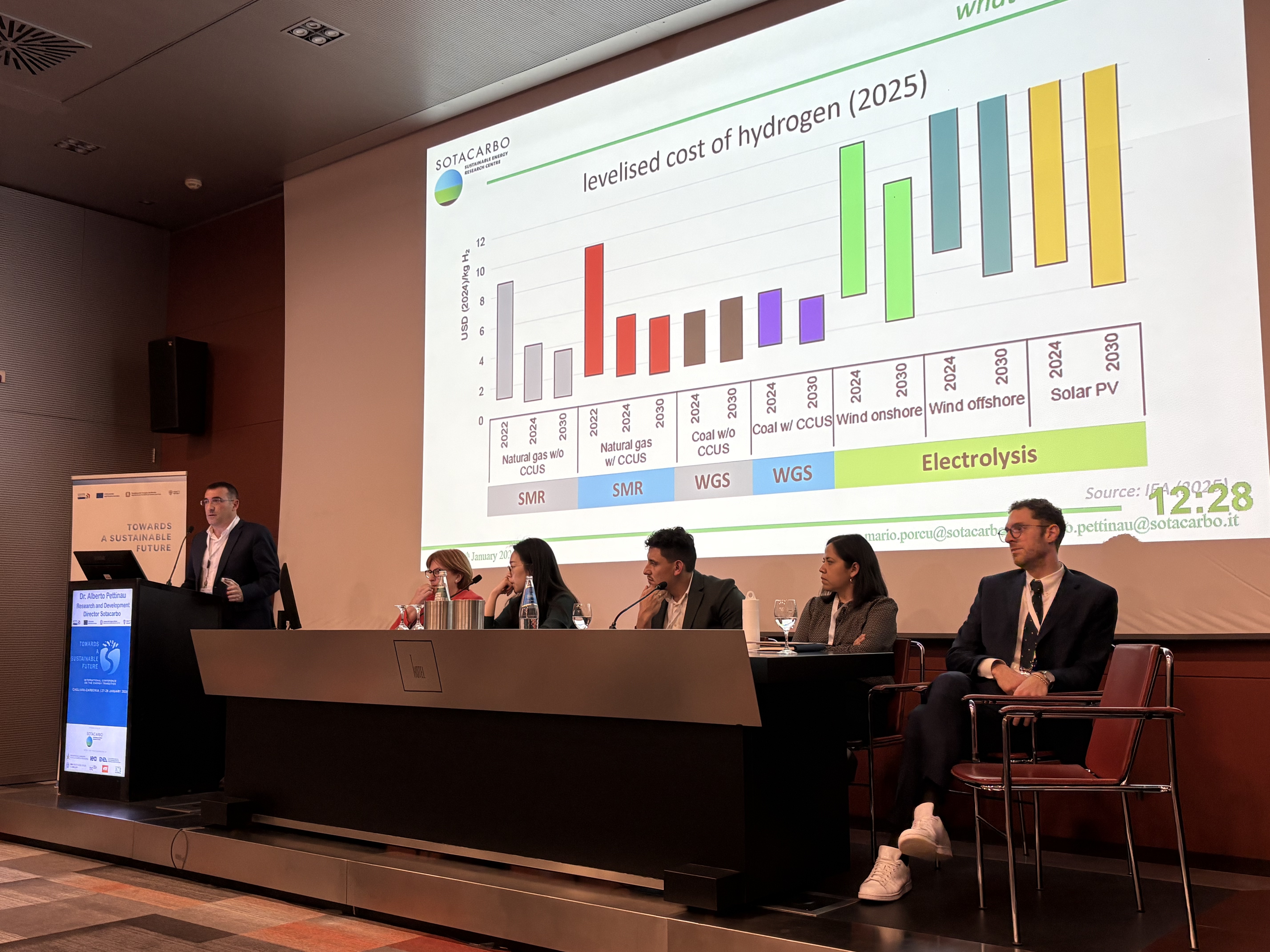
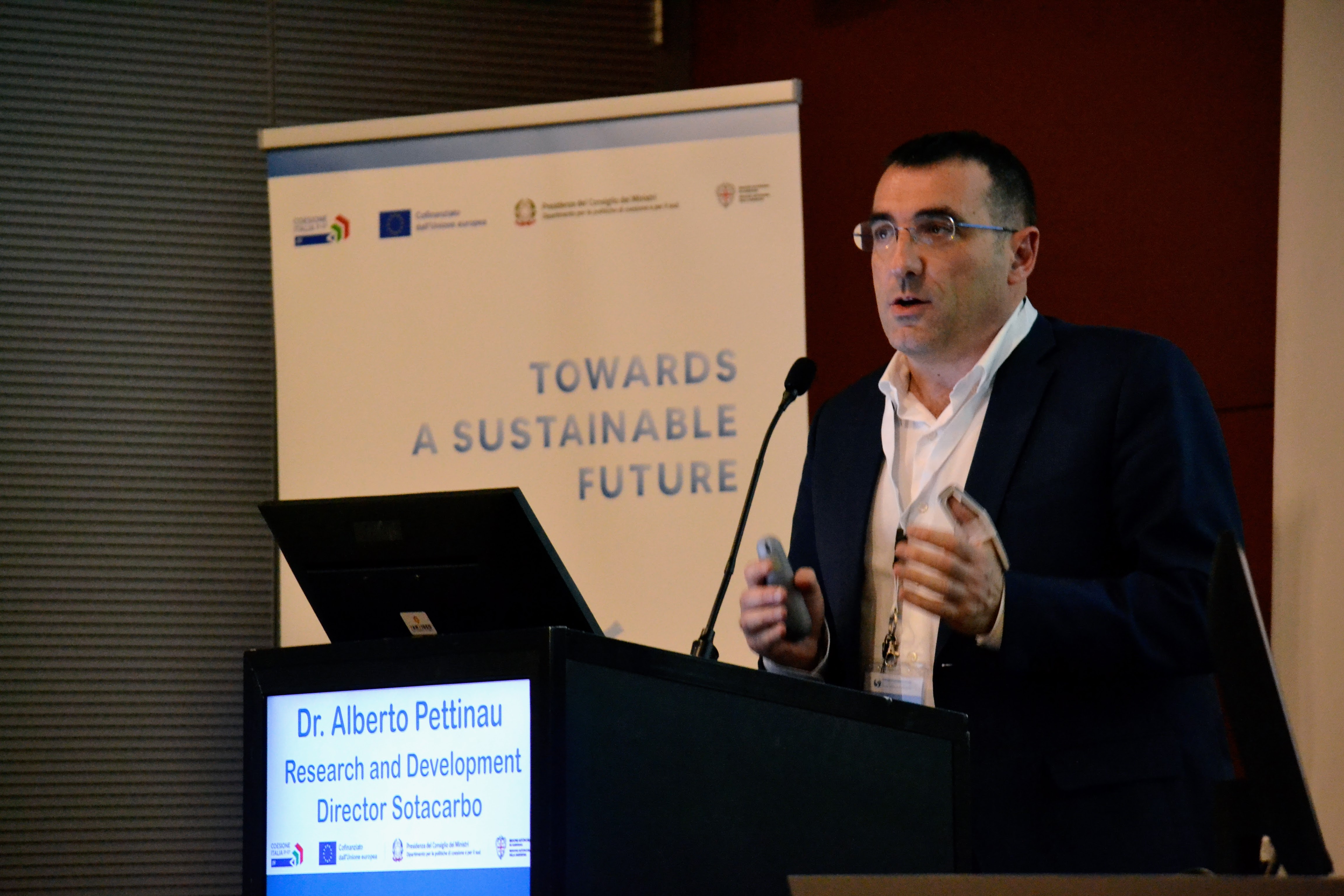
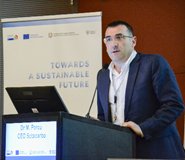 Alberto Pettinau, Director R&D, Sotacarbo: «The SulkHy project aims to make a concrete contribution to the decarbonization of a system like public transport, which has traditionally relied on fossil fuels. By integrating solar electricity generation with the production and use of green hydrogen, the project represents an operational model easily transferable to numerous industrial contexts.»
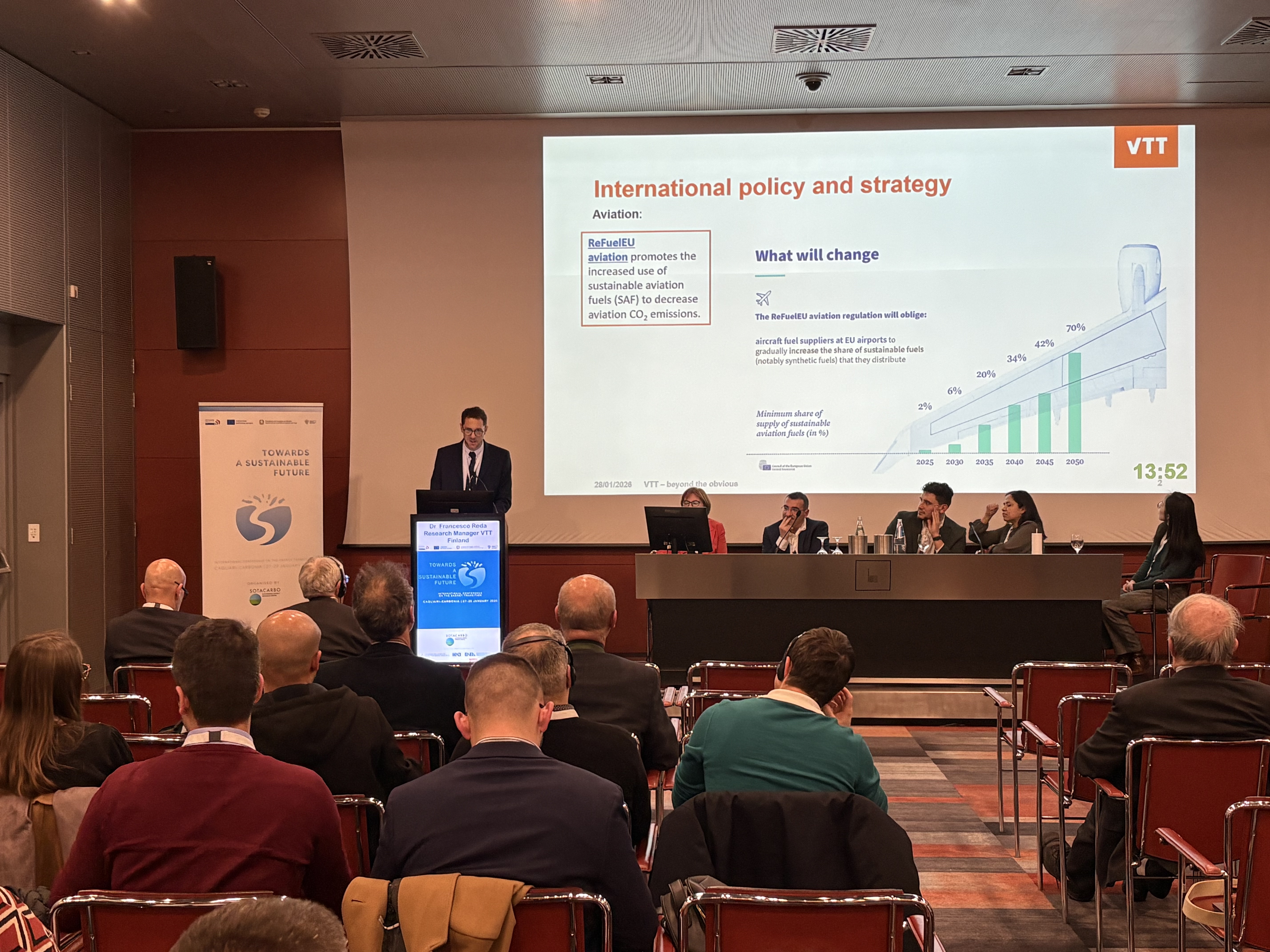
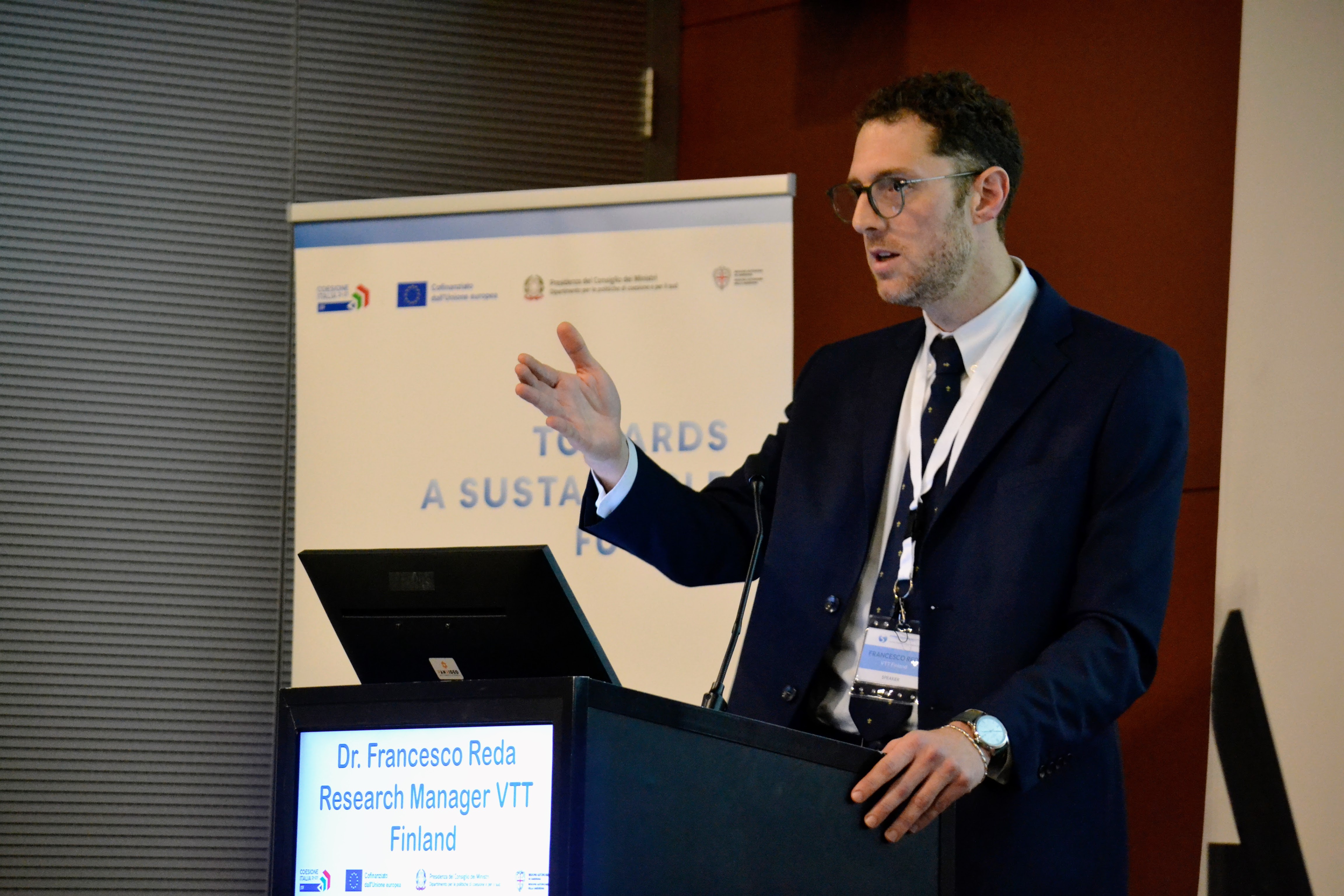
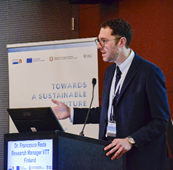 Francesco Reda, Research Manager, VTT Finland: «The ELECTRA project focuses on developing and validating real-life, electrically heated production processes on a multi-megawatt scale, capable of reaching temperatures up to 2000°C. Through the ingenious use of low-emission electricity to replace combustion in decomposing calcium carbonate, and by capturing resulting carbon dioxide emissions, the project holds the key to virtually eliminating carbon emissions from cement, lime and pulp industries.»
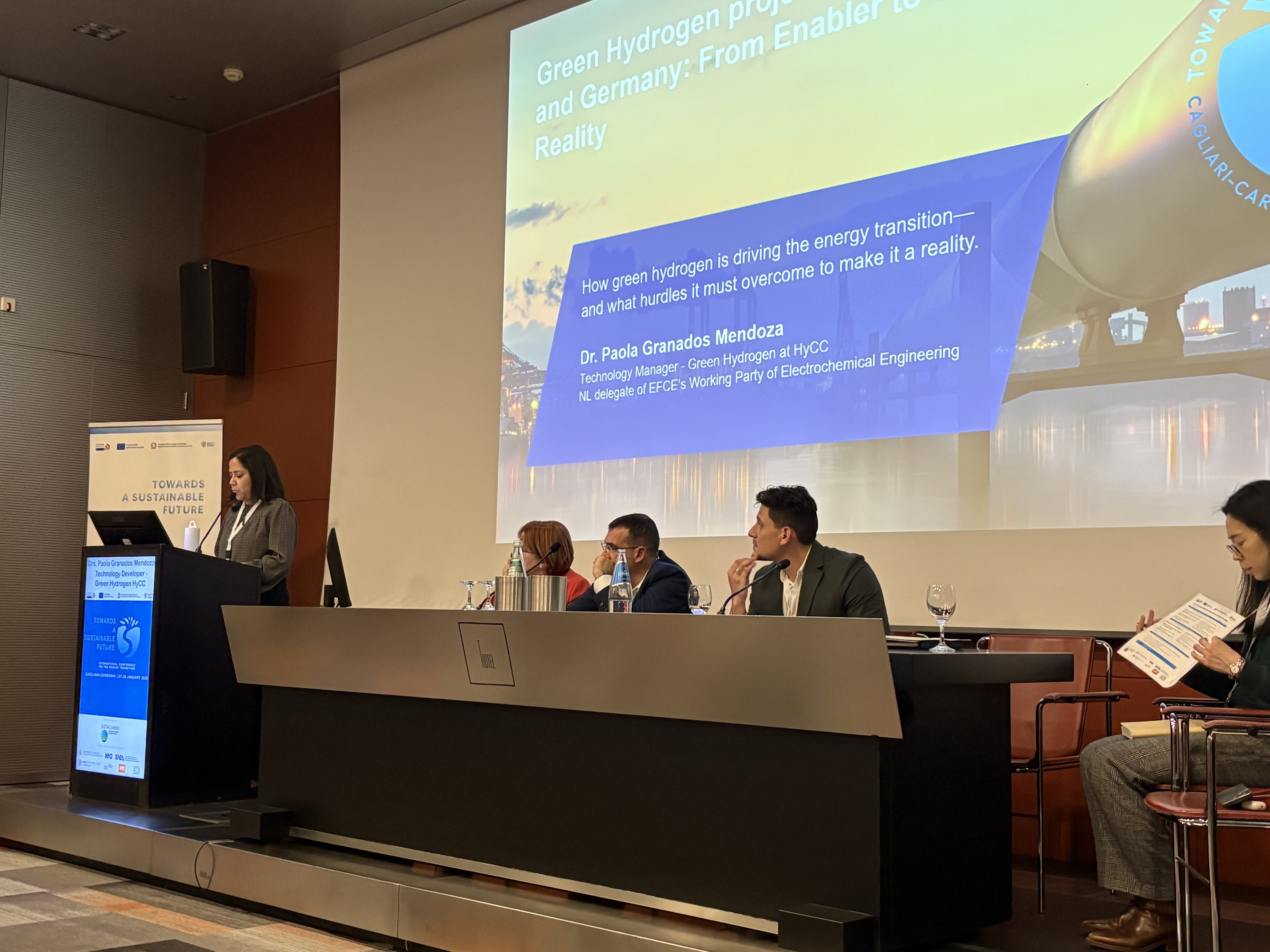
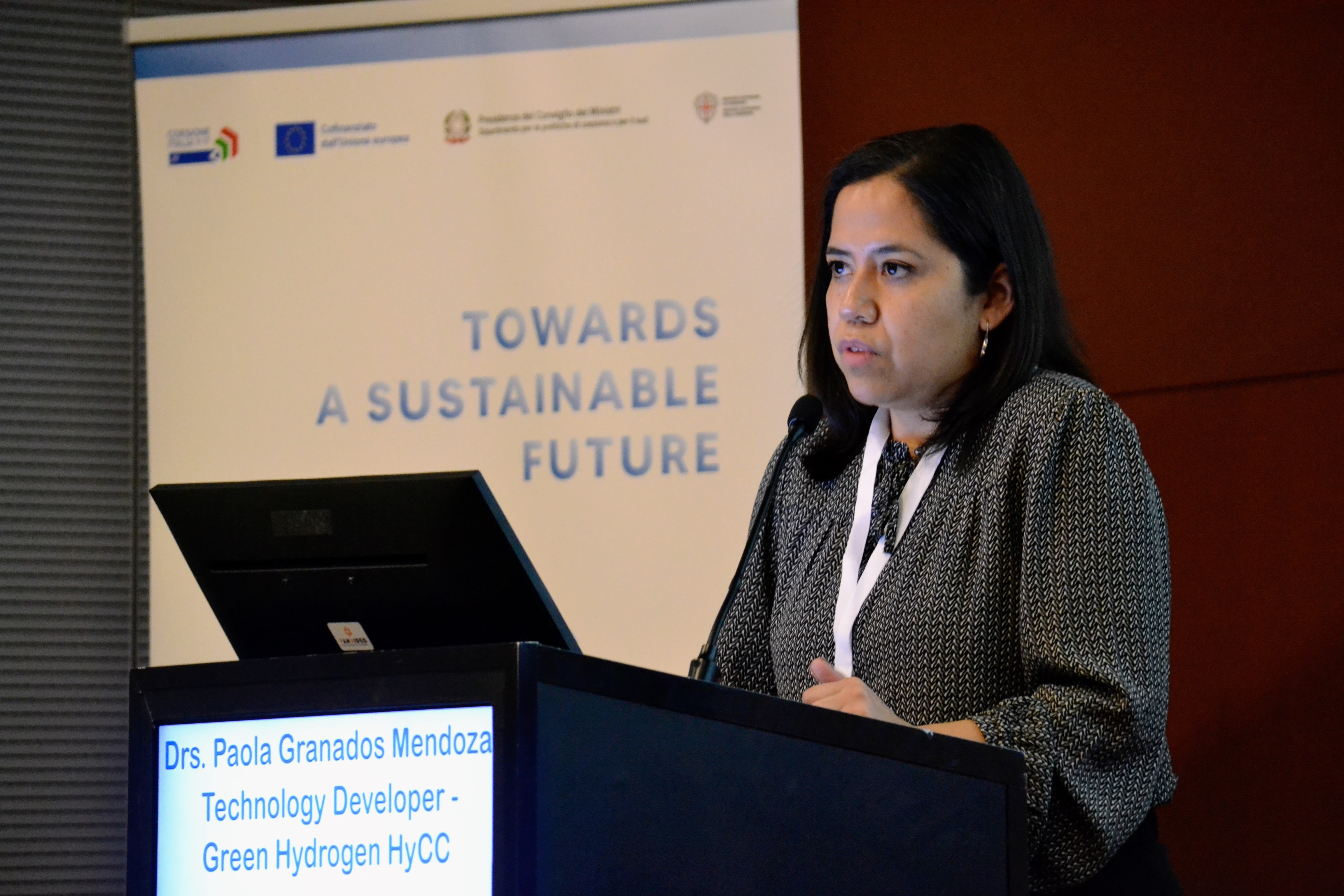
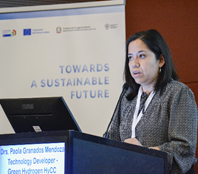 Paola Granados Mendoza, Technology Developer, HyCC: «Green hydrogen is no longer a technology challenge, but a coordination and risk-allocation challenge. The Netherlands and Germany show the way, but highlight the gaps, too: the Netherlands presents strong hubs and projects, but slow RED-III implementation, grid tariffs and revenue uncertainty; Germany Carbon Contracts for Difference (Ccfd) program is in place, but network synchronisation lacks, and timeline risk is present.»
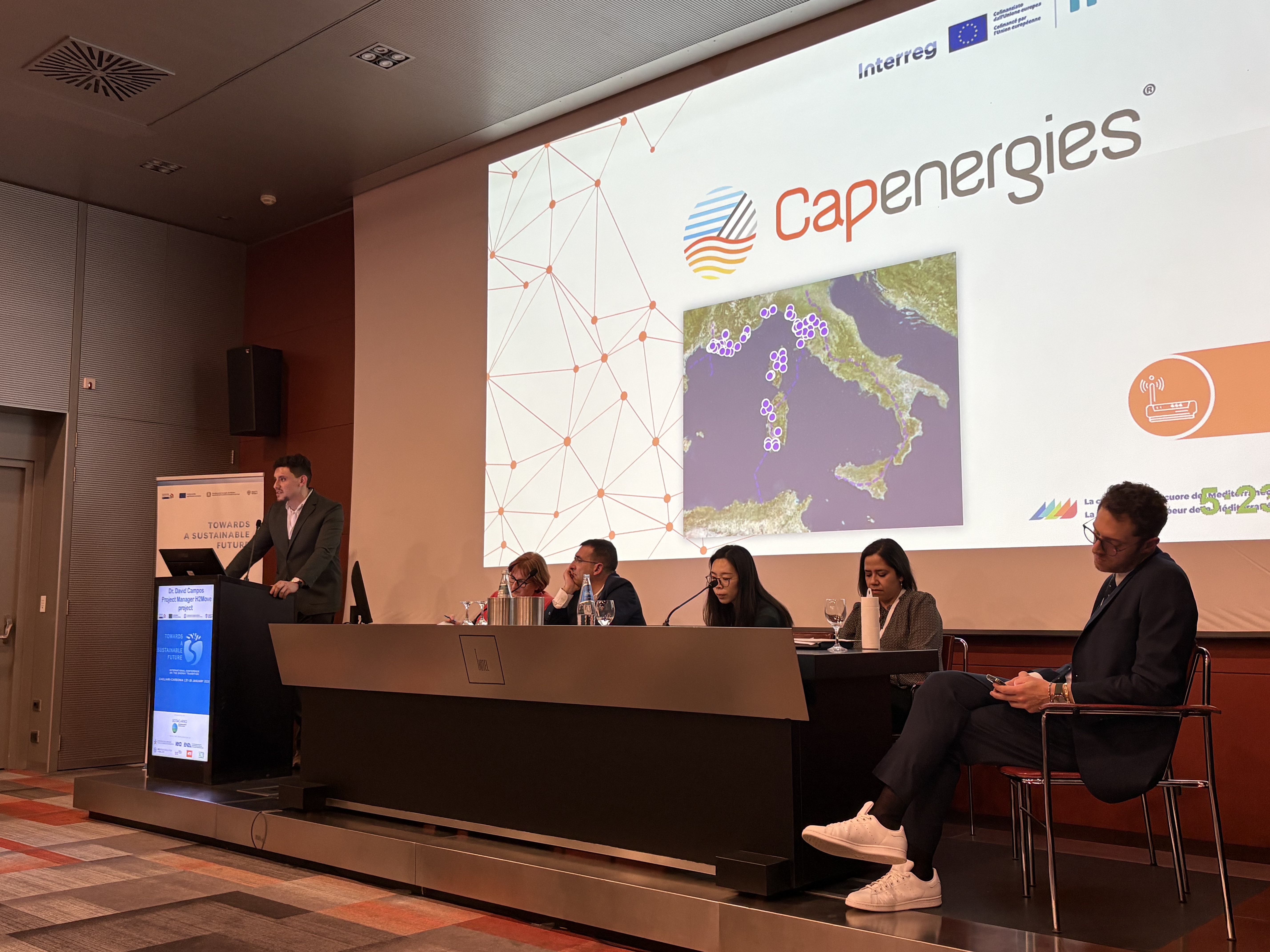
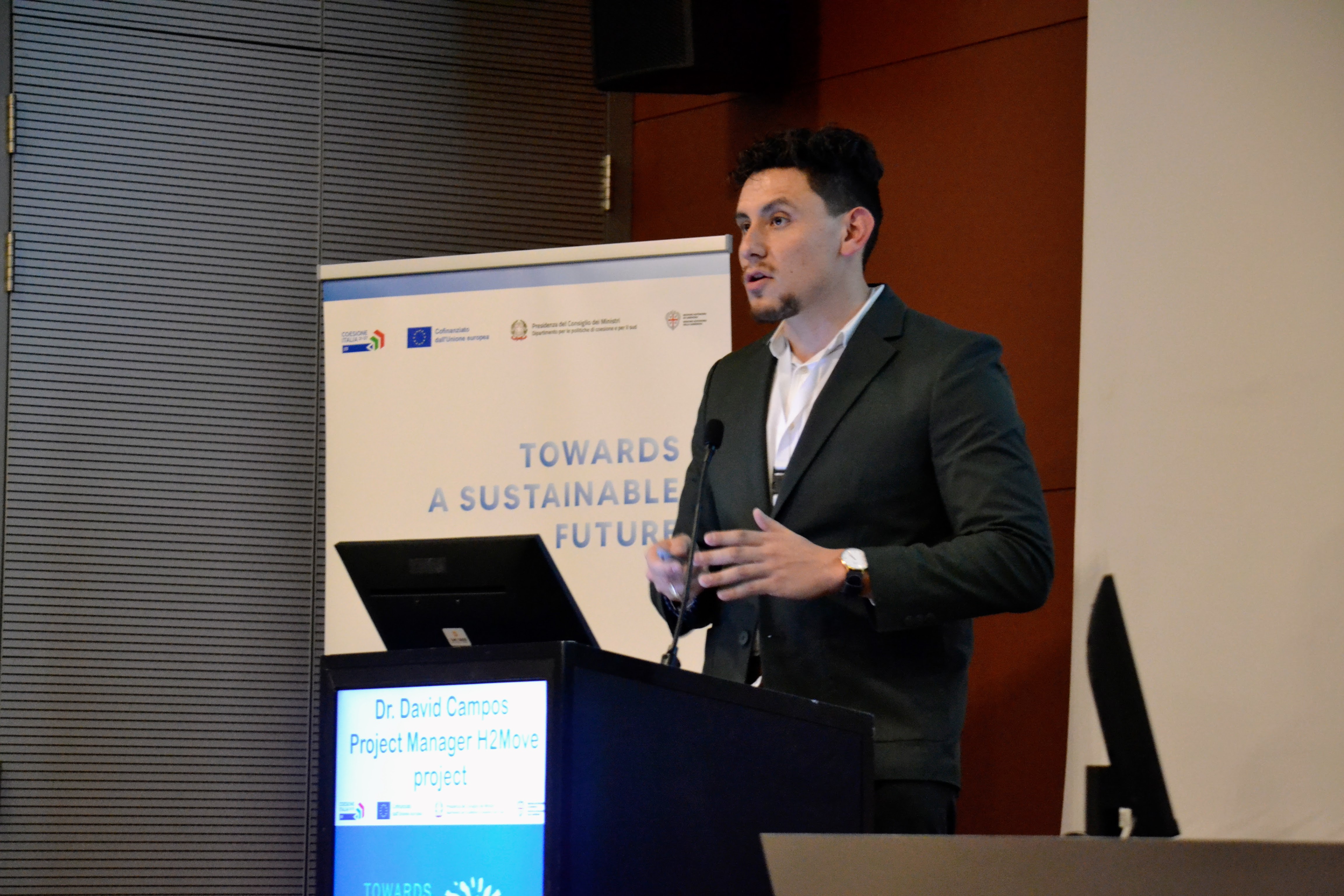
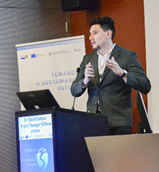 David Campos, H2Move Project Manager, Capenergies: «The technology exists, and we know the potential to develop green hydrogen, but we can't ignore the potential of ports to produce, distribute and stock green hydrogen. Therefore, the objective of H2Move project is to reinforce the idea that ports can act as key drivers of sustainable mobility.»
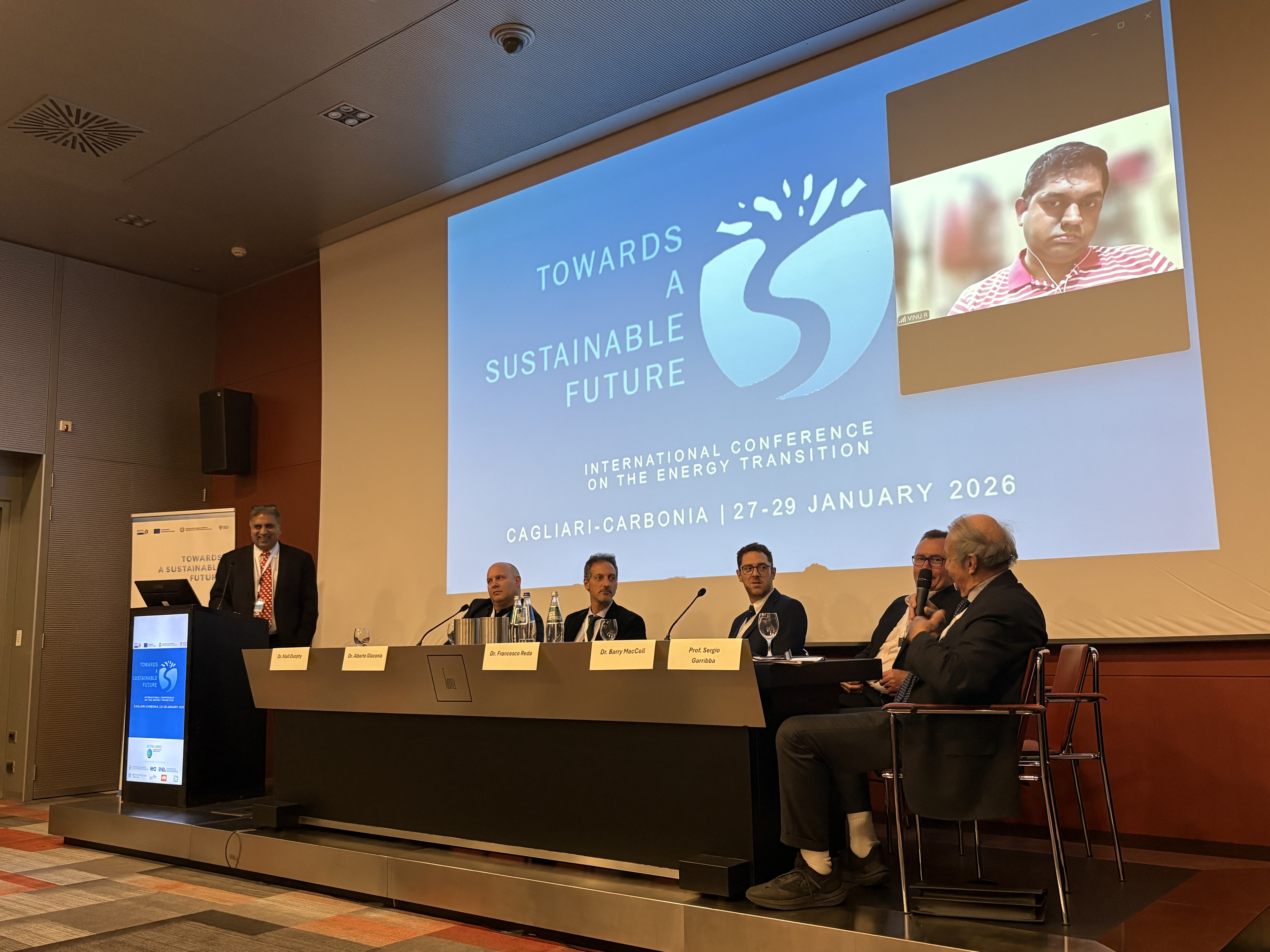
Roundtable "From intention to action" moderated by Noel Simento, Former Director of ANLEC R&D.
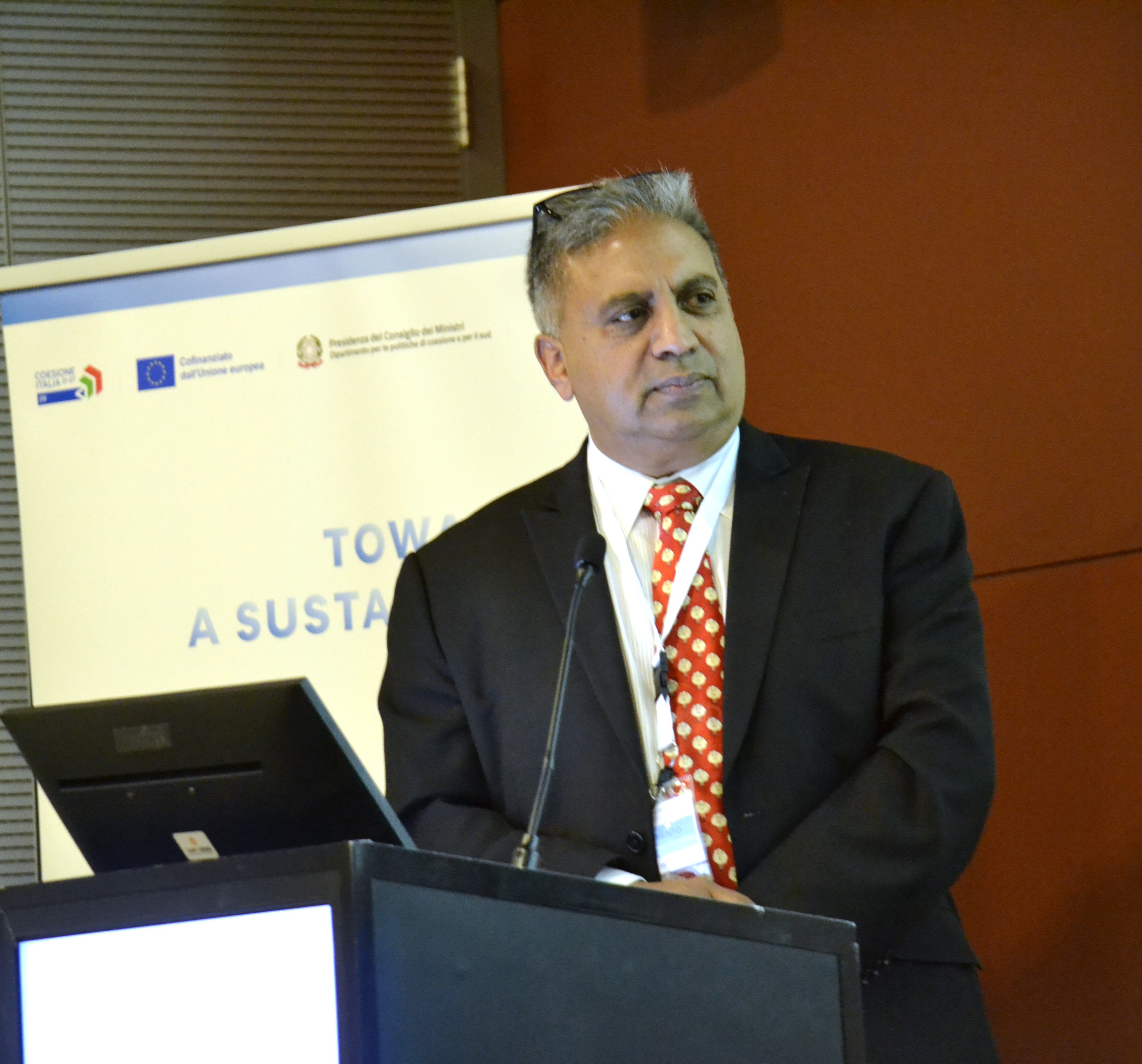
Question 1: What actions do you perceive might be useful to sustain this current transition?
MacColl: «You asked about actions, but I know what inaction looks like. R&D is not about explaining to executives the possibility of what can be done, it's about getting them to make a decision to do something. In my experience, it is vital to introduce the capital investment committee. A committee that is not only technical, but asks about safety, policies, society. What does action look like? It looks like a decision from an investment committee that invests on human resources to do something in the future.»
Ravikrishnan: «From a typical academic framework, we have what is called the "technoeconomic assessment", which usually comes at the end of any kind of study. We do all the technology development, the experiments modeling and then finally we fill up some context to a manuscript. But that is the first thing that comes up whenever we go to an industry for scale-up decision.»
Question 2: Hydrogen is essentially a storage system, not an energy generation system. In a sustainable transition: where do you see the best opportunities for high value projects to have electricity generation as a byproduct and what action must innovation systems do to exploit those opportunities?
Garribba: «I disagree with the premise. Hydrogen is an energy vector, electricity is an energy vector. They don’t exist in nature, you have to produce them. We may think of a society or energy system where the two vectors and their derivatives co-exist, but they are artificial, and they would follow the same type of organization that we'll have in the future. In the power sector we have the utilities, in the future we'll have hydrogen utilities, the hydrogen valleys. We are in the beginning, so we have to understand what happens in the year 2050 or 2100. Maybe in 2100 we will have other vectors, for example there is the case where power is transmitted without wires. So, to talk about hydrogen as a commodity is something wrong. Moreover, hydrogen is colorless.»
Reda: «I think that, as long as the situation improves, blue or green hydrogen doesn't really matter. The goal is to create a hydrogen-based economy. That's why we're also reflecting on the use of hydrogen. And a question arises: why should we change our current process? In the past, we switched from coal to diesel because there was an advantage, a benefit. It's good to remember that you can change a process simply because there's an advantage, and we must keep this in mind when considering introducing hydrogen into the global market.»
Giaconia: «We need simultaneous growth of offer and demand of hydrogen, but if we want to find an opportunity today, we already have it. We have the offtakers, the ones that today demand grey hydrogen and would want to decarbonize partially their production. Decarbonizing these sectors will not be negligible, it will have a large scale impact. To reach that point, we must scale up electrolyzers and scale up hydro production.»
Question 3: In an online world of instant communication and social media, the new technology has given voice to uninformed and manipulated noise. If large investments require public acceptance, what actions could we take to guide the public discernment process?
Dunphy: «Misinformation is hugely problematic. Across all renewables, there is a lot of vested interest form corporate and governmental which are disseminating misinformation. There's a lot of money to be lost, and a lot of money will be spent trying to save that. Then there's the whole idea of "petro-masculinity", the idea of male affiliation of petro lifestyle, driving big cars, taking from nature, the idea of rugged masculinity that you see in cowboy movies in the US that has been pushed again as port of this societal warfare of knowledge. So, if we were to believe the advertising that is coming from modern manufacturers, unless you’re driving the largest truck type vehicle you’re not a real man. Misinformation is being fought on many levels: there's manipulated statistics, conspiracy theories being disseminated widely, fraudulent studies being done by consultants, offered as evidence. The public needs independent verifiable information. Independent means universities, state organisations or research organisations come into play. That's how you build trust. It's a slow job, but we need to do it. We need to have control over how the information is disseminated.»
Image gallery
Last update
10/03/2026, 11:43