
International Conference on Energy Transition - Day I
Presentations given during the first day of the International Conference on Energy Transition "Towards a Sustainable Future"
Date:
11 February 2026
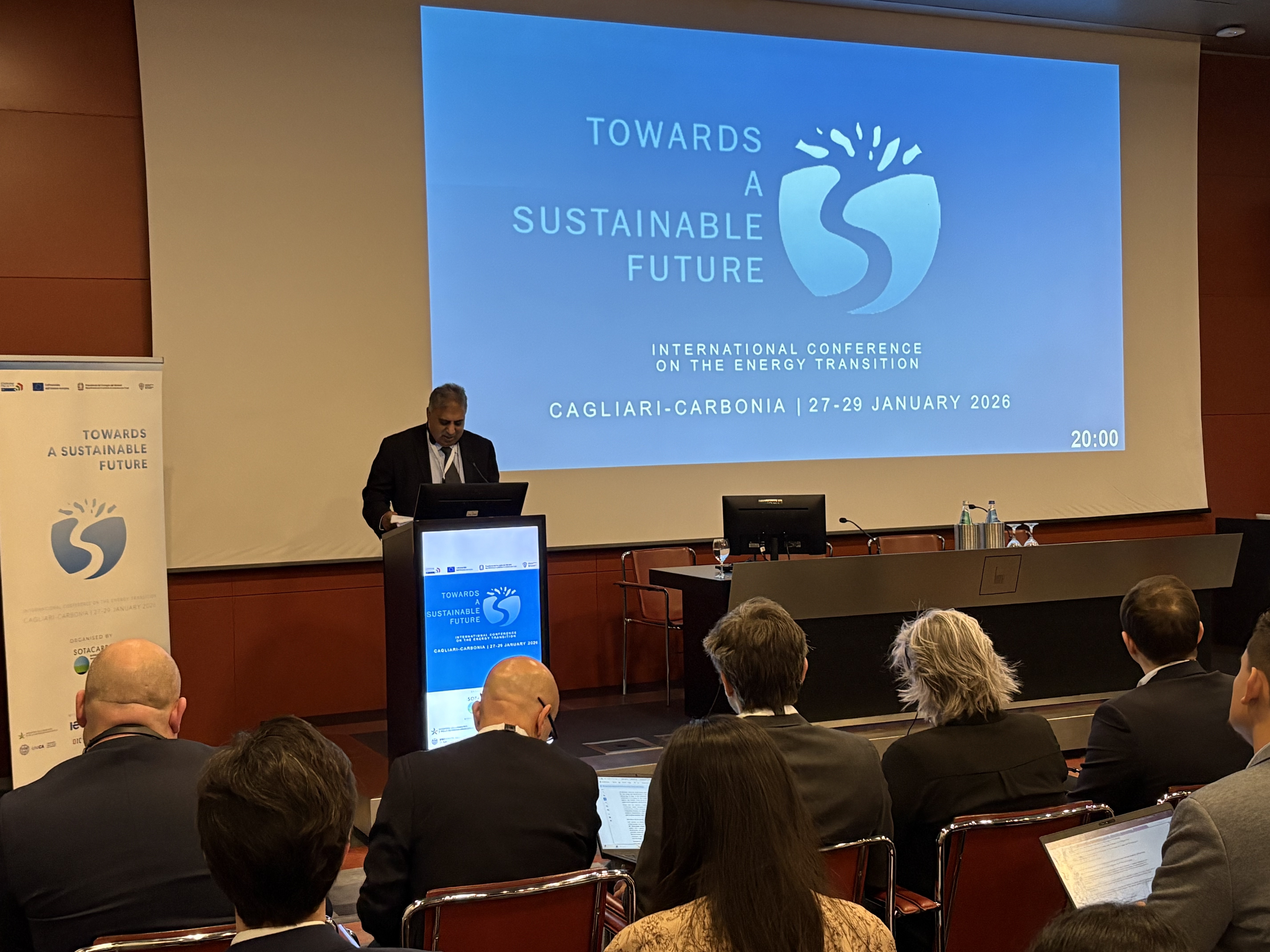
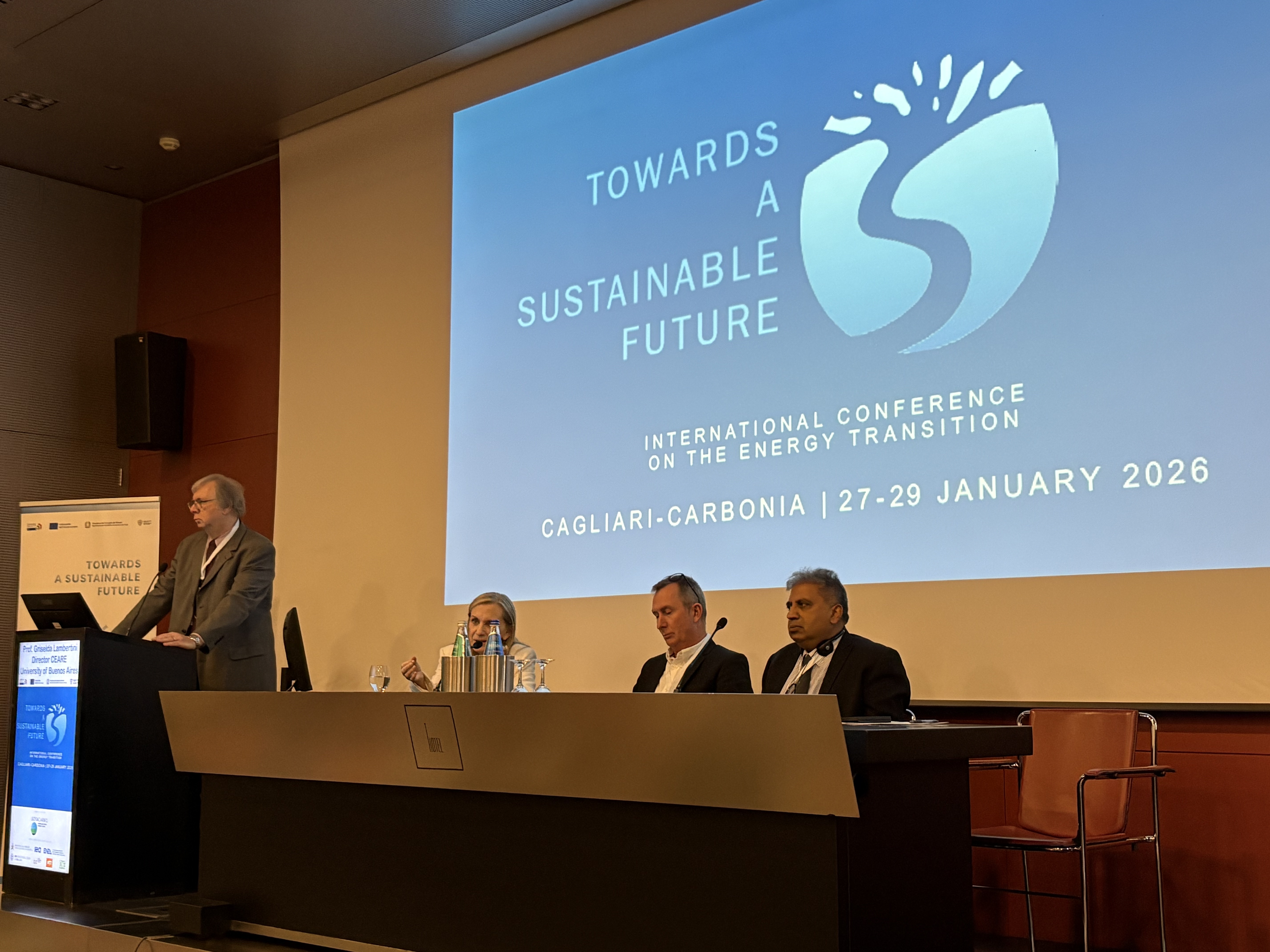
The first edition of the International Conference on Energy Transition, "Towards a Sustainable Future", featured 42 presentations and 40 speakers representing five continents. Below is a summary of some of the insights that emerged from the first day.
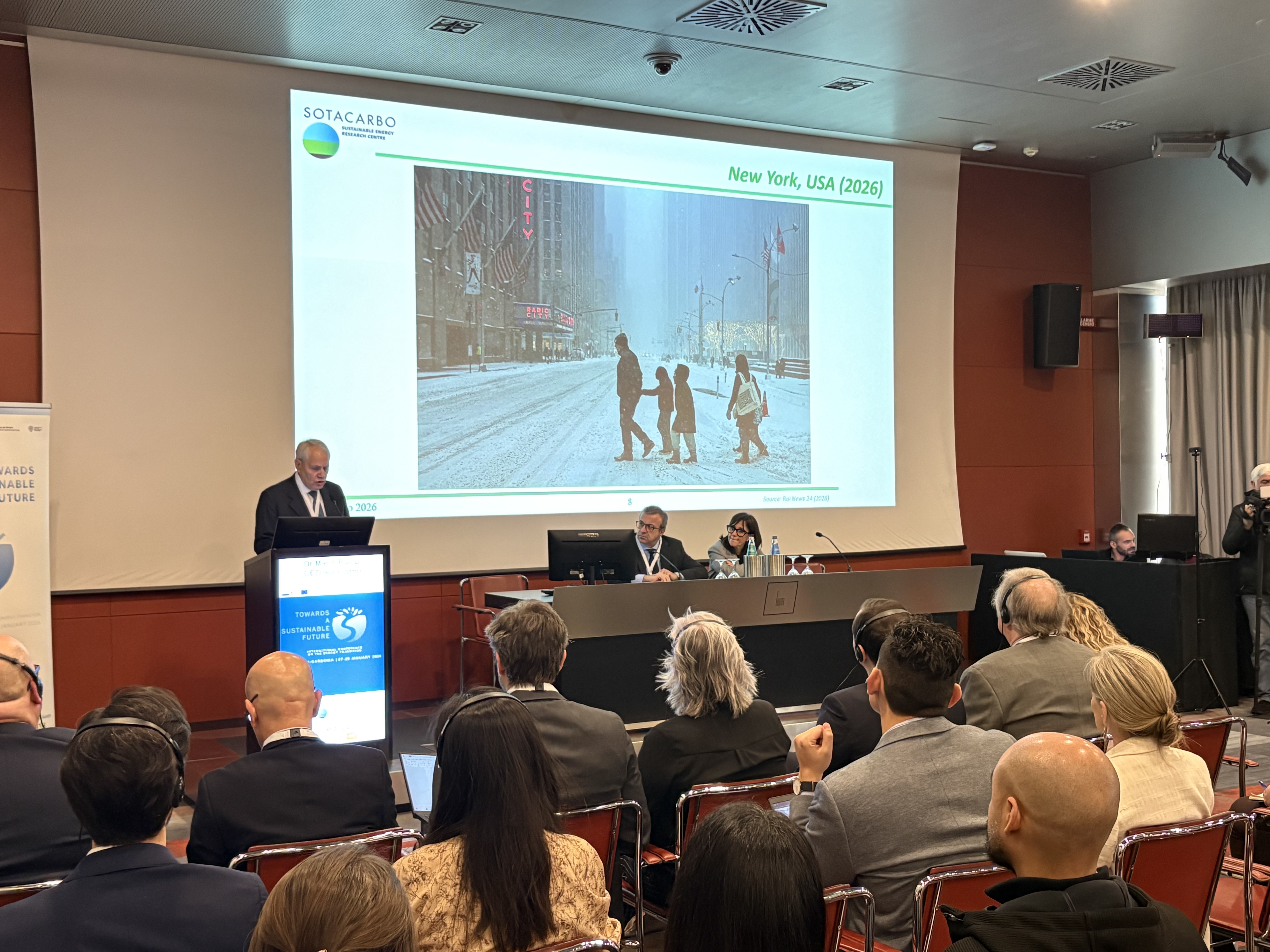
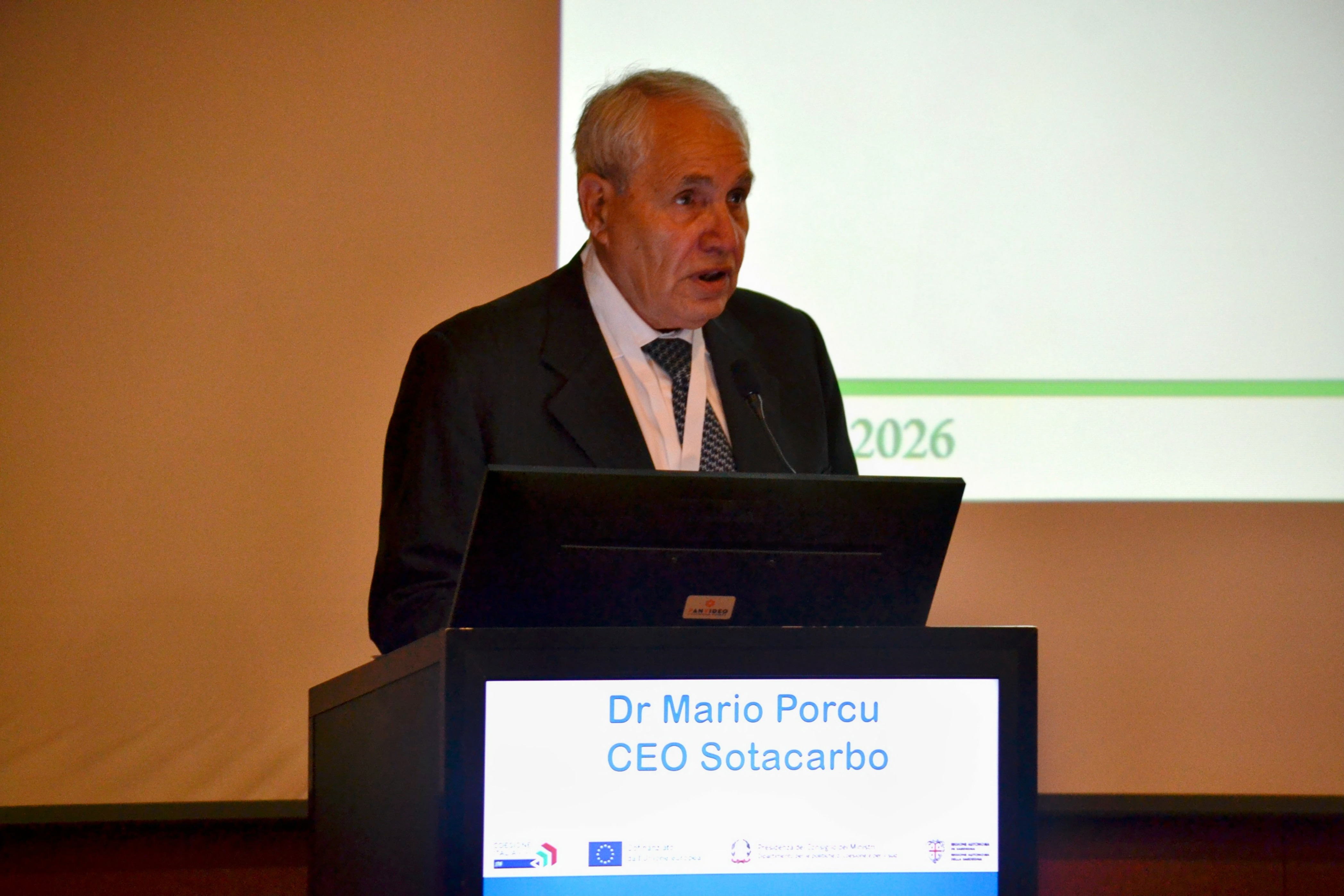
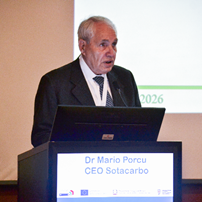 Mario Porcu, Sole Administrator, Sotacarbo: «We have chosen to title this conference 'Towards a Sustainable Future'. The UN defines it as follows: 'development is sustainable if it meets the needs of the present without compromising the ability of future generations to meet their own needs.' We believe that to have a concrete chance of achieving the decarbonization goals outlined in various climate conferences, the energy transition must translate into a roadmap of policies and actions capable of simultaneously combining environmental, economic, and social sustainability. Therefore, to implement a just energy transition and build a sustainable future, world governments must be capable of making responsible, farsighted, and effective decisions, so that the transition becomes a driver of technological and industrial innovation, capable of generating development while protecting the global ecosystem.»
Greetings from the Hon. Gilberto Pichetto Fratin, Minister of the Environment and Energy Security: «(...) I believe that the energy transition, and implicitly decarbonization, is a systemic challenge for Italy, Europe, and the world. The need to make our ways of producing and consuming energy and goods more efficient and sustainable is clear to everyone. (...) Initiatives like yours are essential from this perspective. By bringing together leading international players, you create and foster the fertile exchange essential for collective growth—growth that is sustainable and, above all, fair for our communities, upon whom decisions will be passed on (...) .»
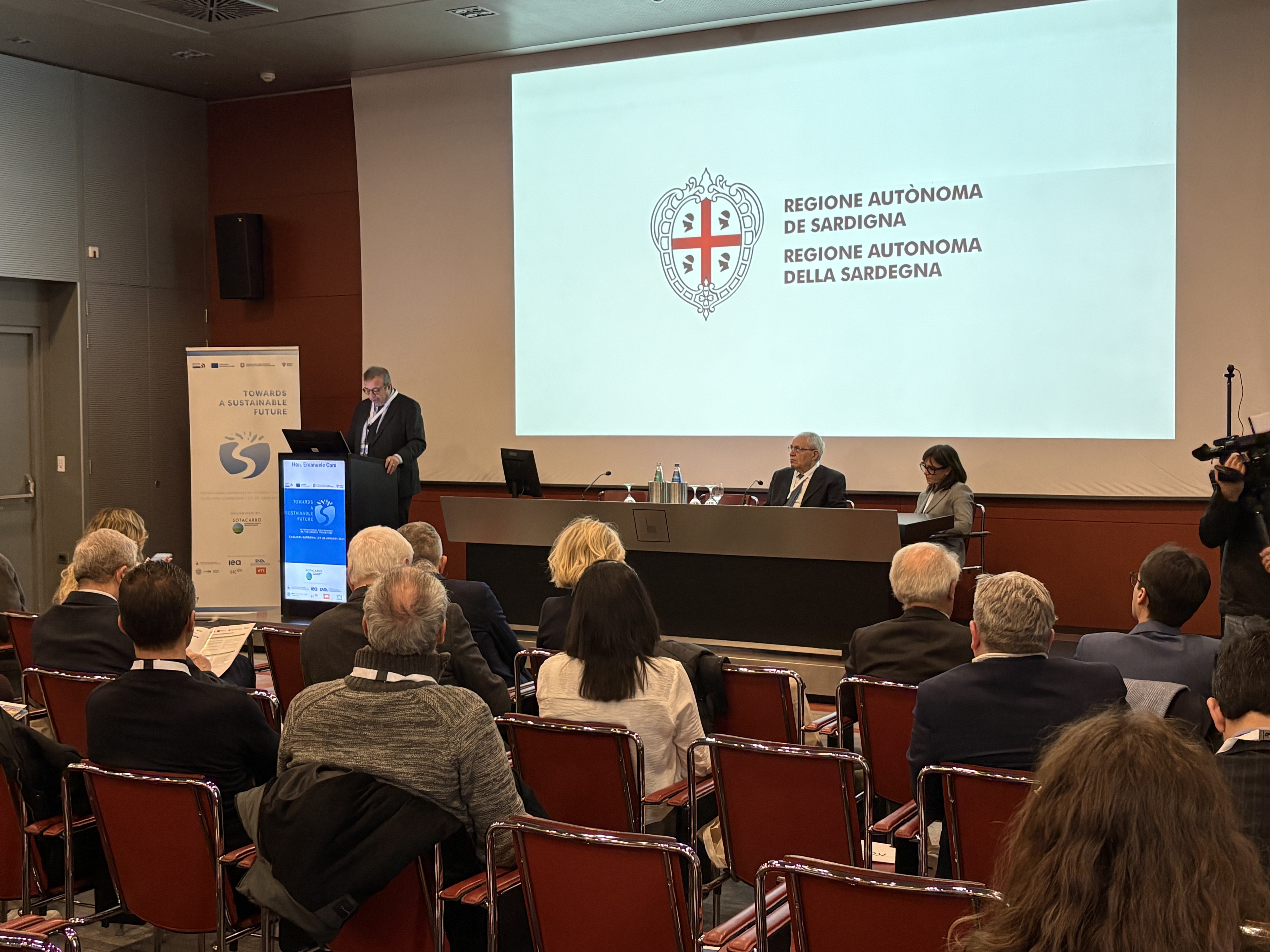
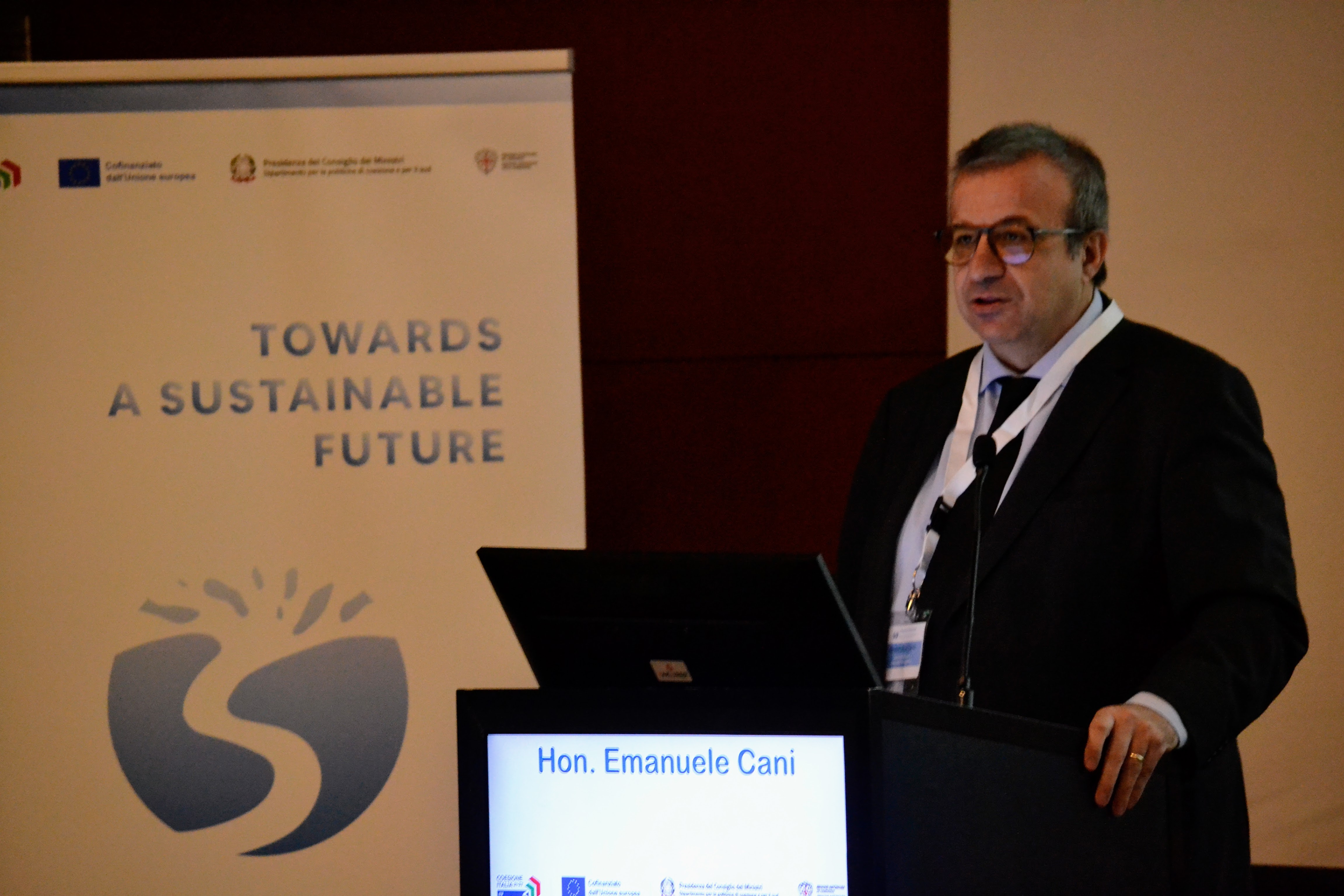
 Emanuele Cani, Councilor for Industry, Autonomous Region of Sardinia: «The energy transition must be fair, balanced, and must consider the interests of citizens. Sardinia has had to navigate a very complex period. Local citizens have shown concern about the exploitation of local resources, which is understandable. But equal attention must be paid to the economic, social, and productive outcome. The energy transition is not just about "small" Sardinia, but is global.»
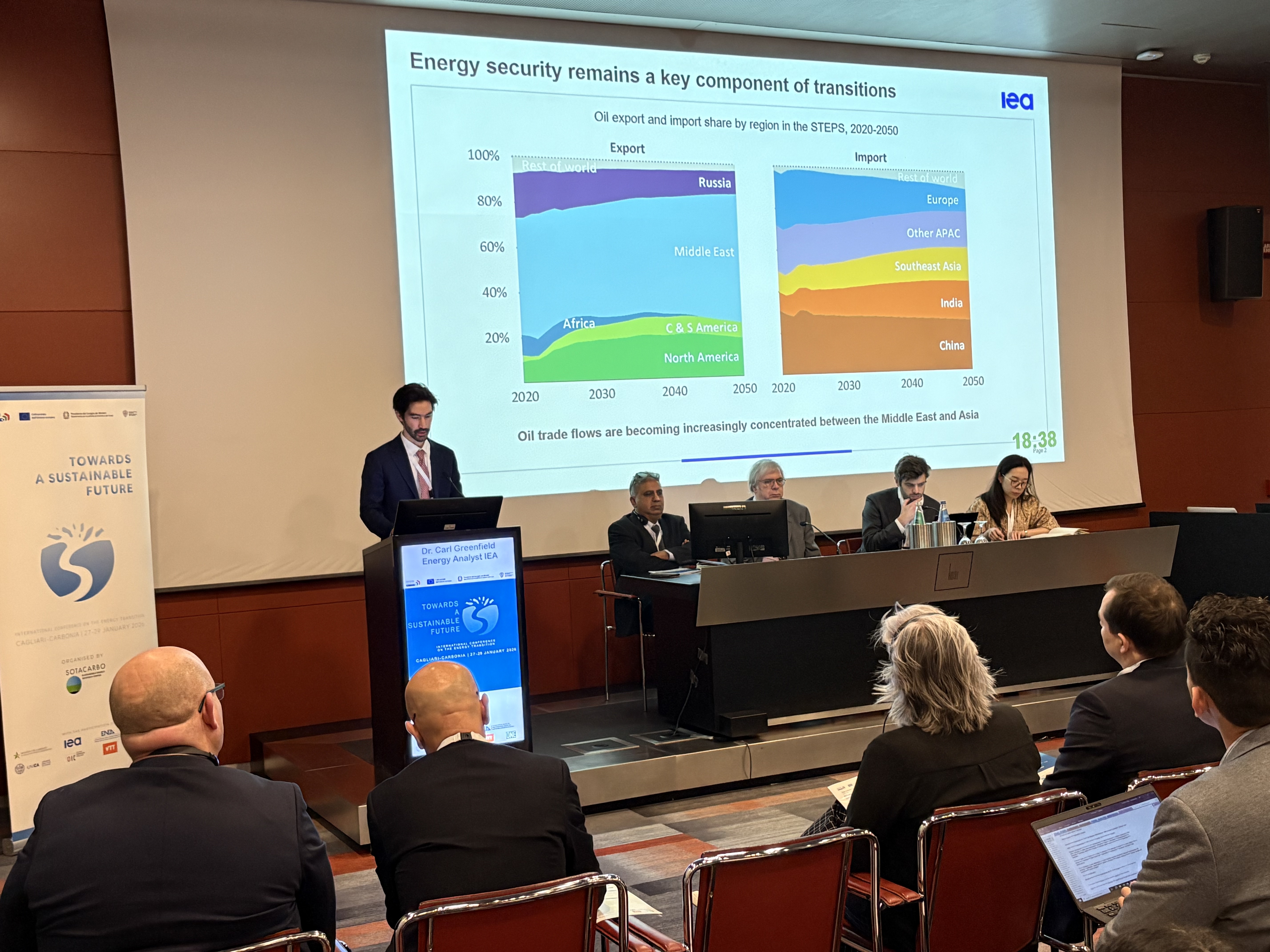
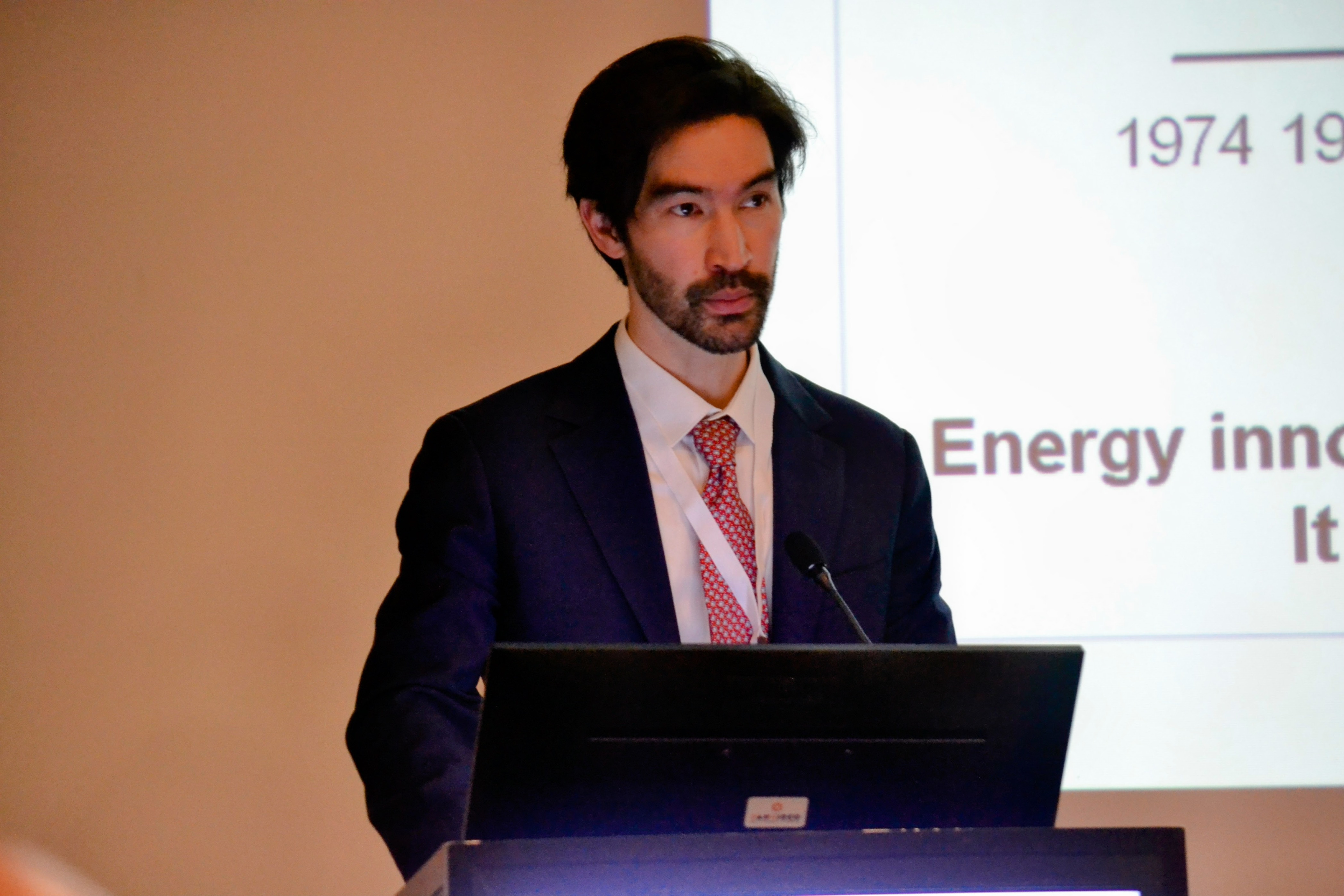
Carl Greenfield, Energy Analyst, International Energy Agency (IEA): «Innovation matters more than it sometimes appears at the moment. Many of today’s most impactful energy technologies became viable only after decades of sustained R&D policy support and learning by doing. The future energy mix isn’t predetermined. Existing policies bend the curve, but they don’t fully define where we end up. The pace and shape of the transition will depend on policy choices, investment decisions and innovation efforts made today.»
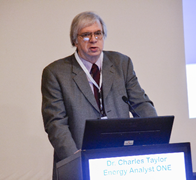
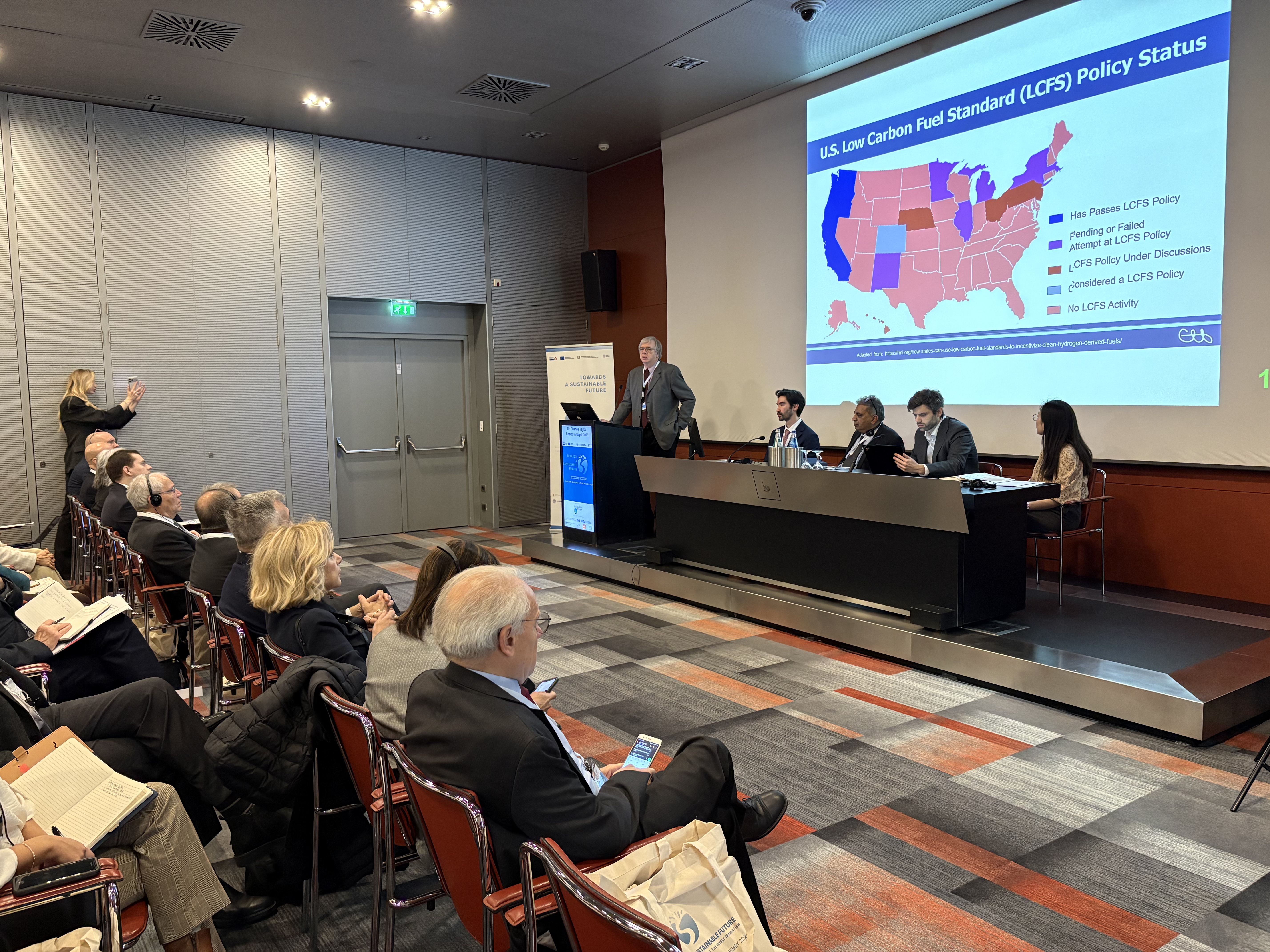
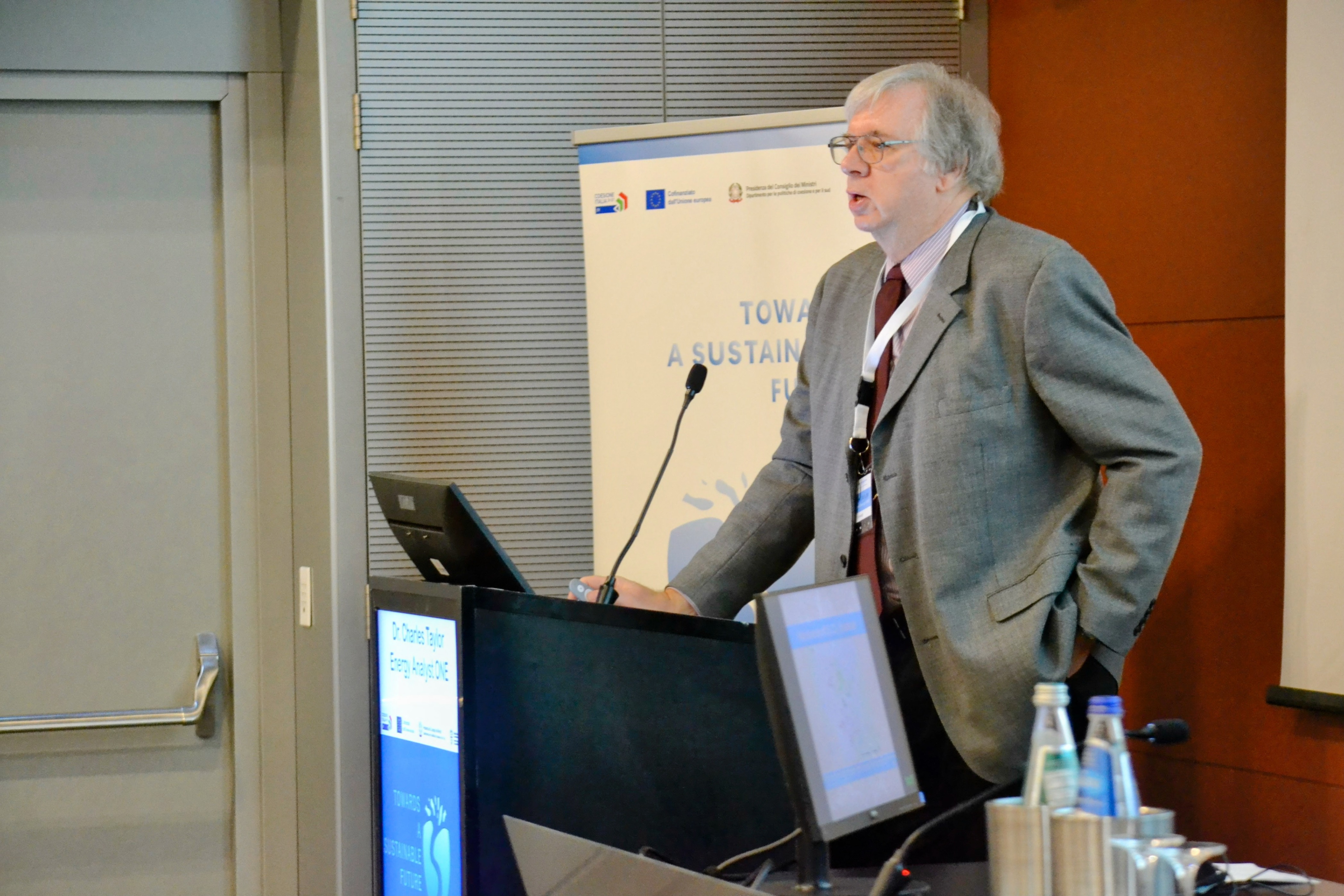
Charles Taylor, Energy Analyst, Only Natural Energy (ONE): «In the U.S., as in most of the world, politics drive the transition to clean energy. The U.S. policies are pretty much divided along political party lines. The Democrats generally support renewable energy and advocate for policies like carbon pricing and energy efficiency standards. The Republicans are not generally opposed to clean energy but try to balance the benefits of clean energy with the possibility of Federal overregulation and the impact on traditional fossil fuel industries. The transportation sector has seen an increase of renewables due to legistration, but has recently taken a hit from the repeal of tax incentives and the roll-back of fuel economy standards. Public perception of EV’s in the U.S. is mixed. Environmental and fuel-saving benefits are the main drivers for public acceptance, but there is still resistance to EV’s due to their high costs (purchase/battery), range anxiety, and a lack of convenient public charging stations. Younger buyers and current owners are the biggest advocates of EV’s in the U.S.»
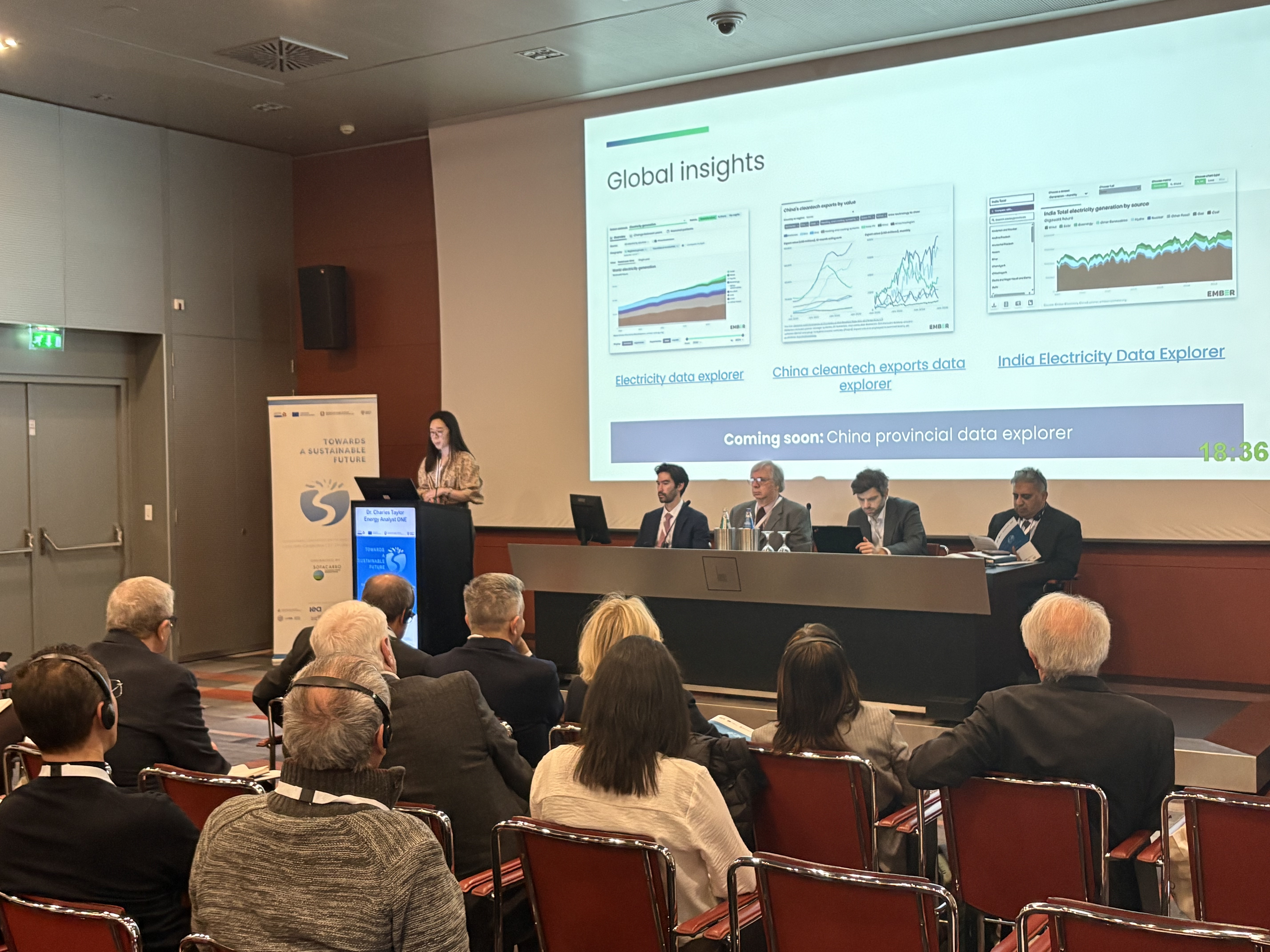
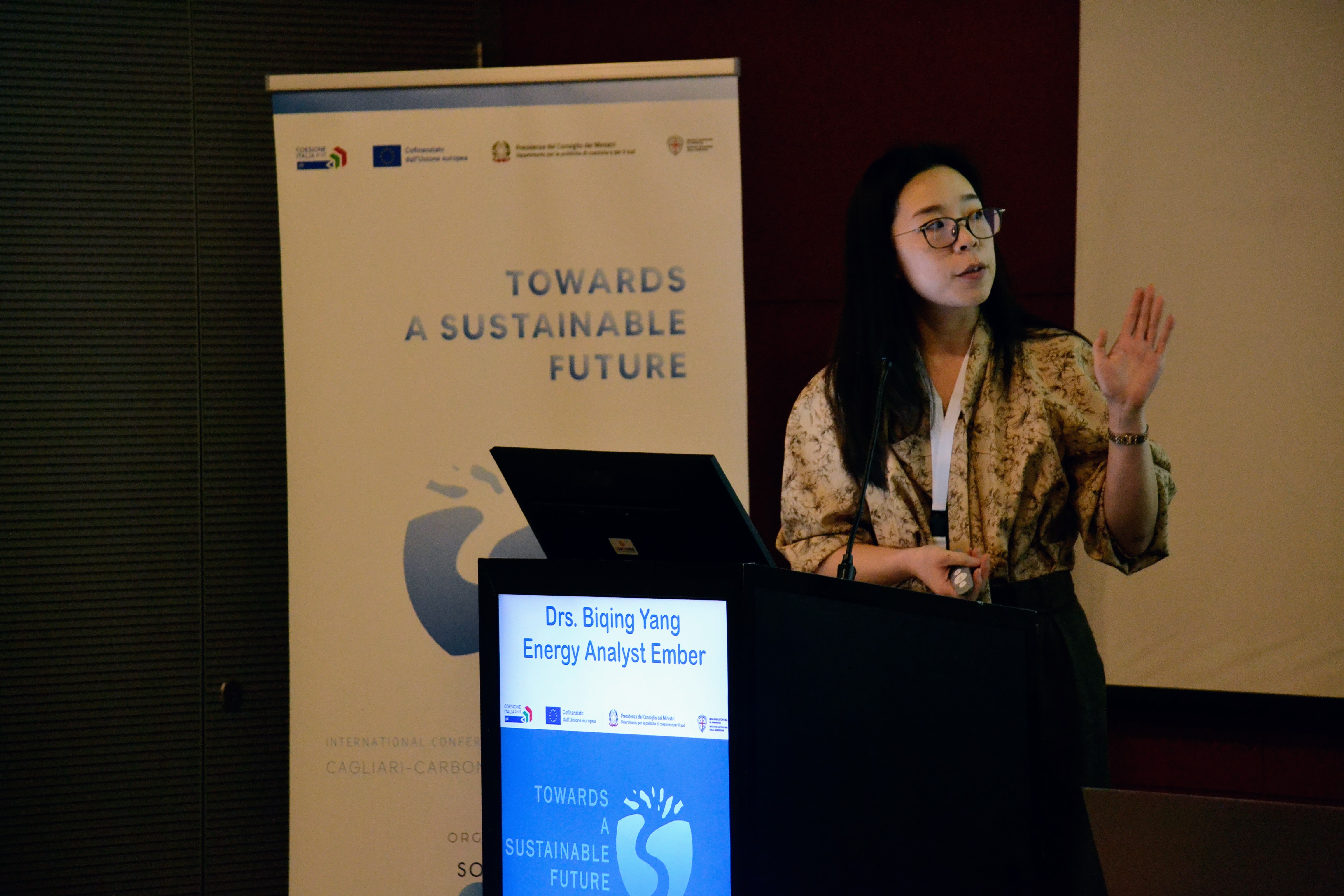
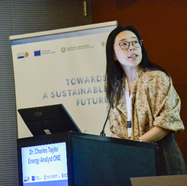 Biqing Yang, Energy Analyst, Ember: «China is moving from addition of wind and solar capacity to building the full system that can integrate, balance, and sustain clean electricity at scale. The clean energy transition brings in opportunities and provides China the strategic lever to position itself as the leader in some future sectors. China uses the “build before break” approach: the need to ensure that the clean energy source is in place before phasing out the existing structure.»
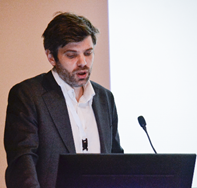
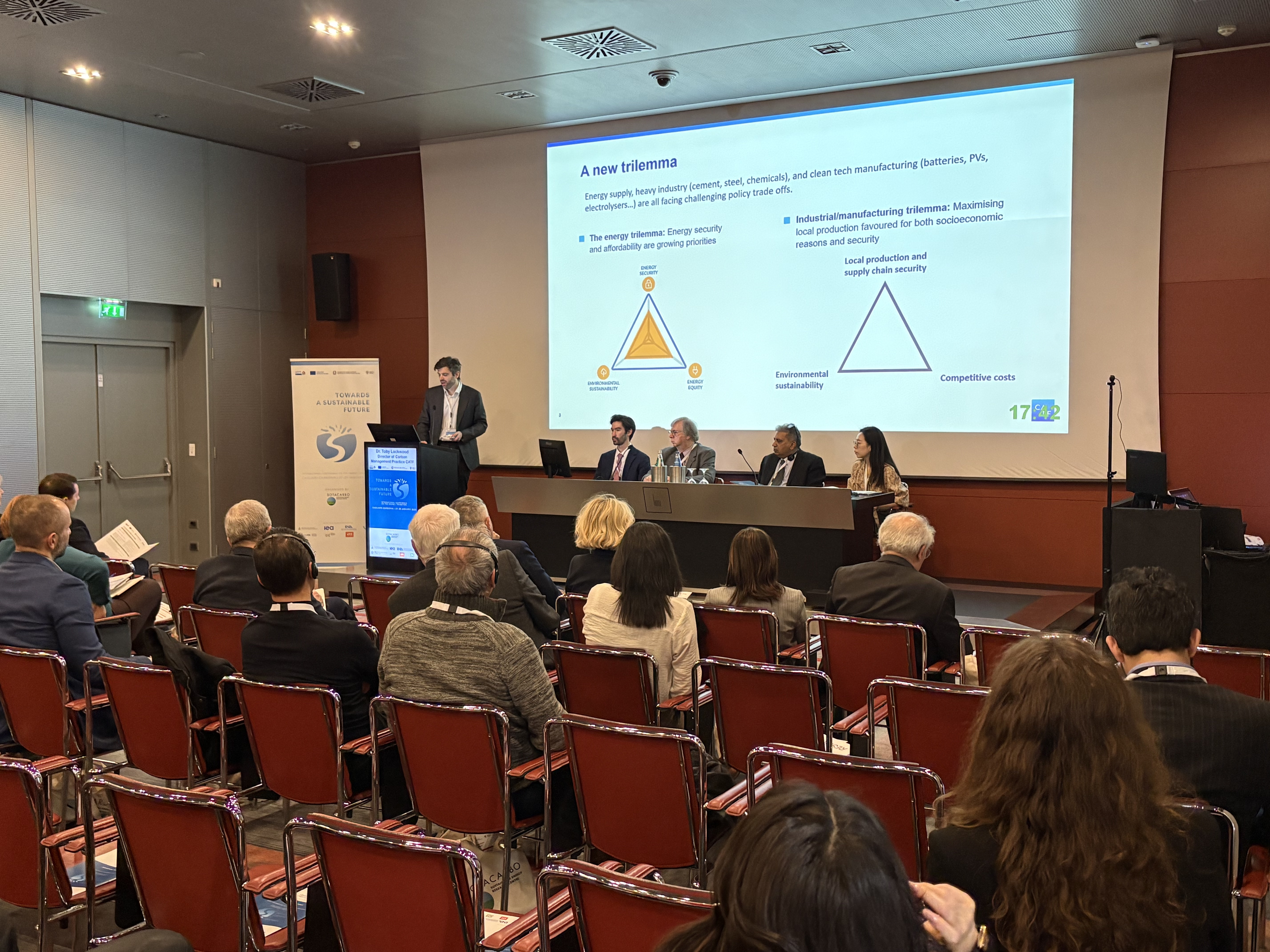
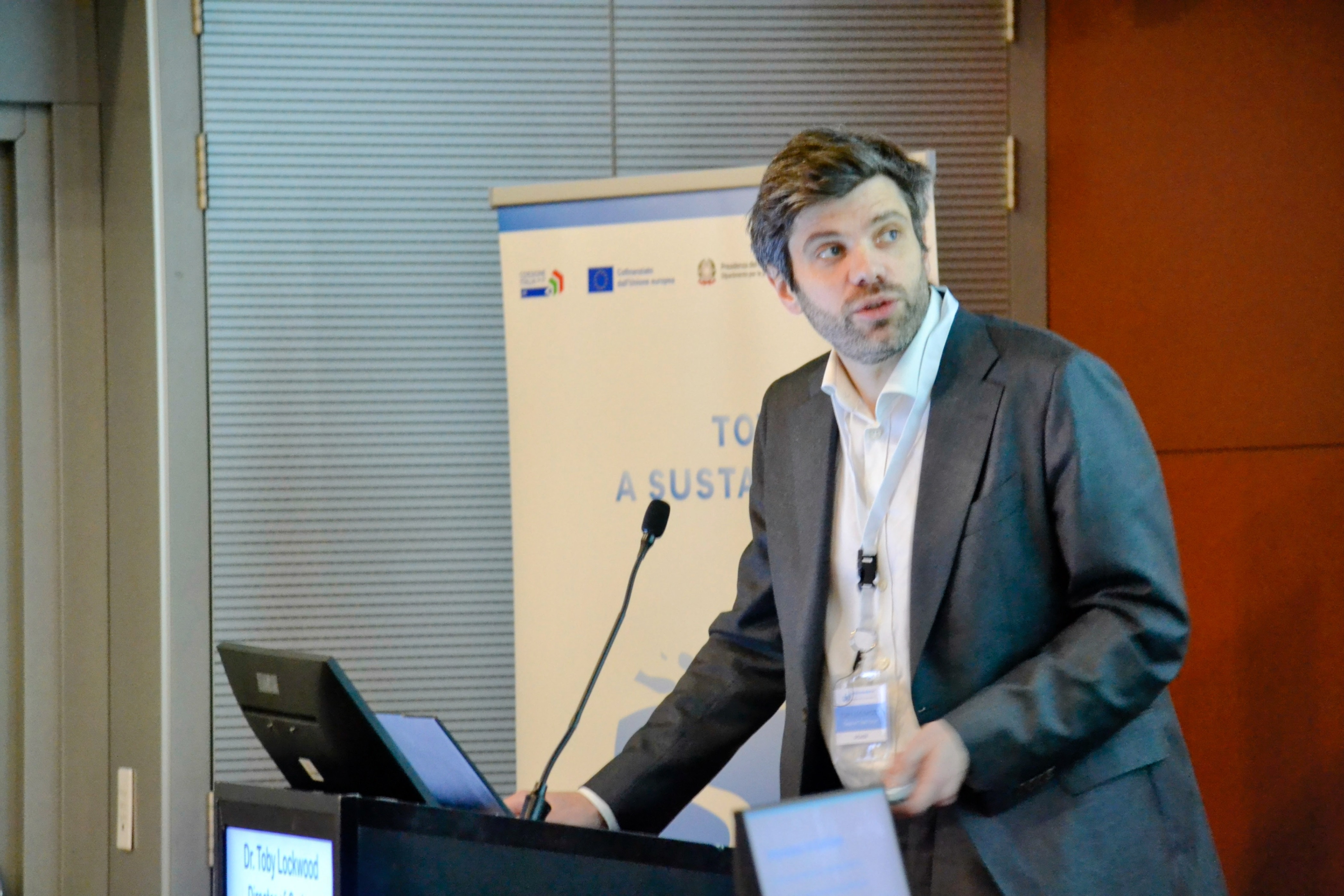
Toby Lockwood, Director of Carbon Management Practice, Clean Air Task Force: «The EU views a transition to clean energy as a means to reduce strong dependence on energy imports, but this also requires greater control of clean tech supply chains. The US administration is prioritising domestic, affordable energy, regardless of climate impact, but this includes some low-carbon technologies. While significant direct funding support for clean energy and manufacturing has been cut, domestic supply chains are supported.»
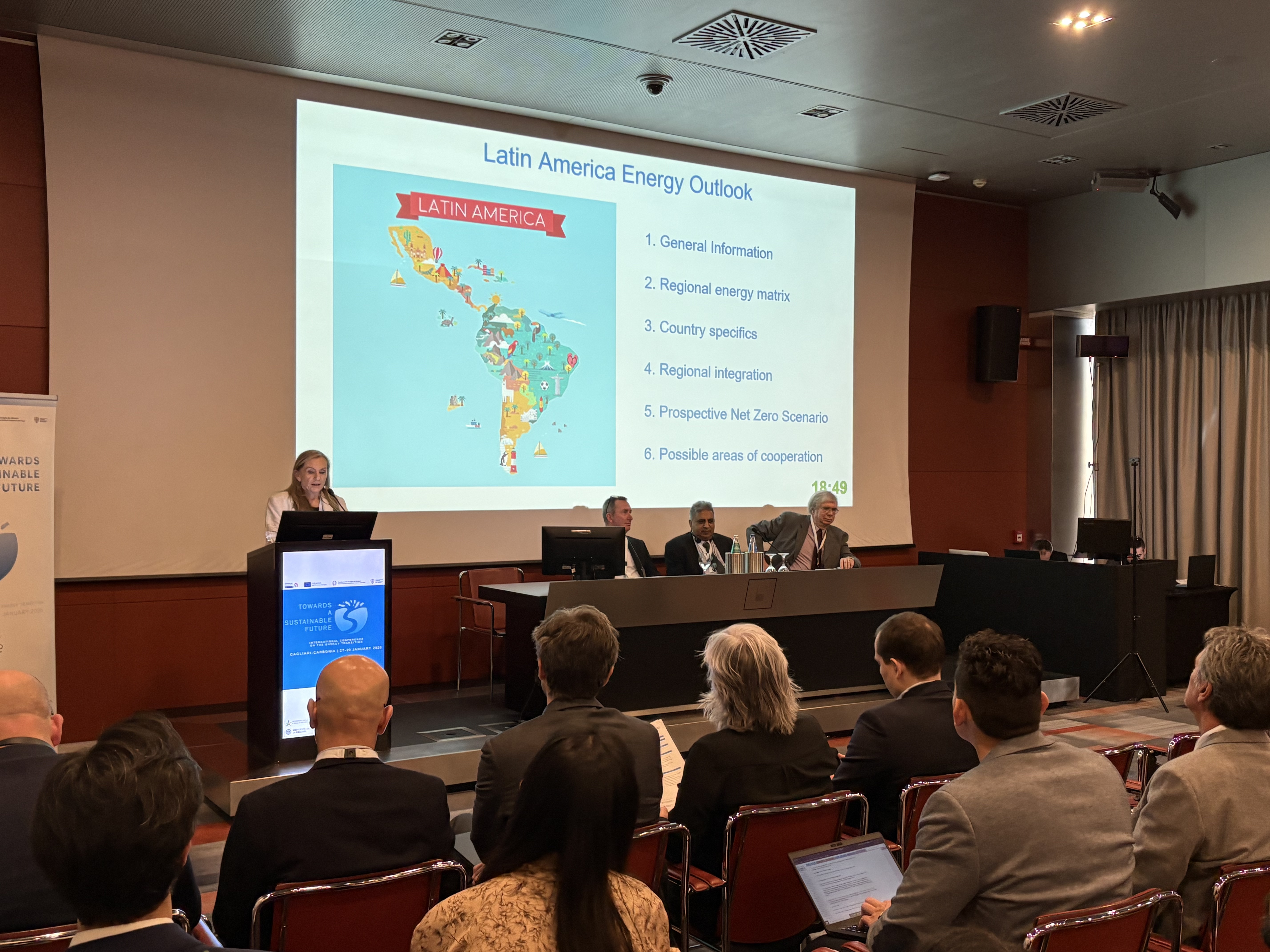
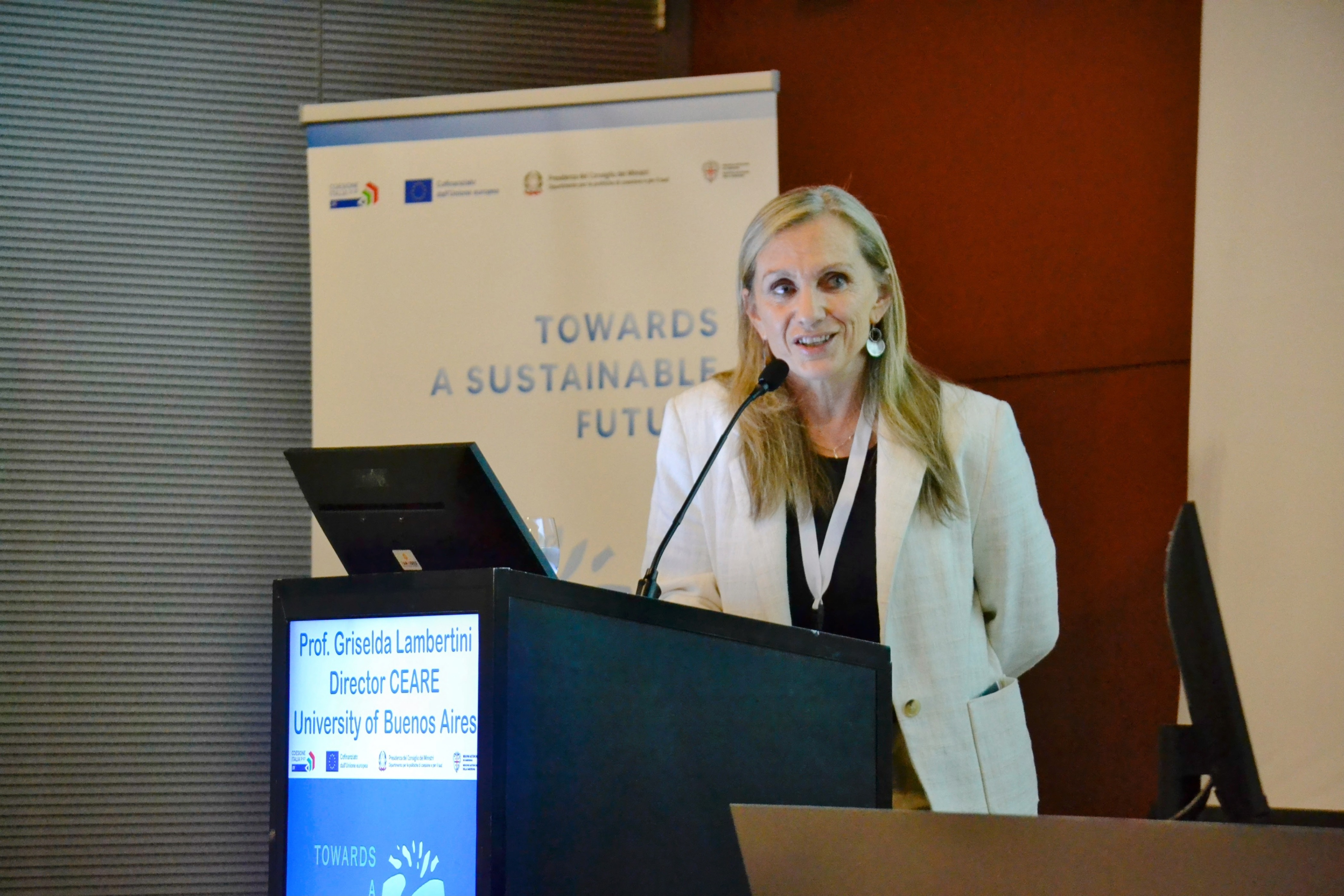
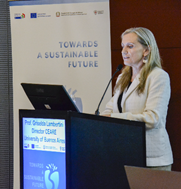 Griselda Lambertini, Director of Centro de Estudios de la Actividad Regulatoria Energetica (CEARE), Universidad de Buenos Aires: «Natural gas is consolidating its position as the main source of firm energy, supporting the growth of renewables in electricity generation in LAC. Electric mobility in the region continues to grow rapidly. Sales of EVs continue to grow strongly. From 2022 to 2025 the number of EVs on the road grew almost tenfold. Brazil leads the light EVs fleet, while Chile leads in electric buses. These results confirm the region's progress towards a cleaner, more resilient, and sustainable energy mix.»
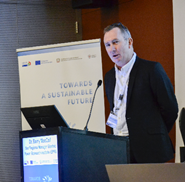
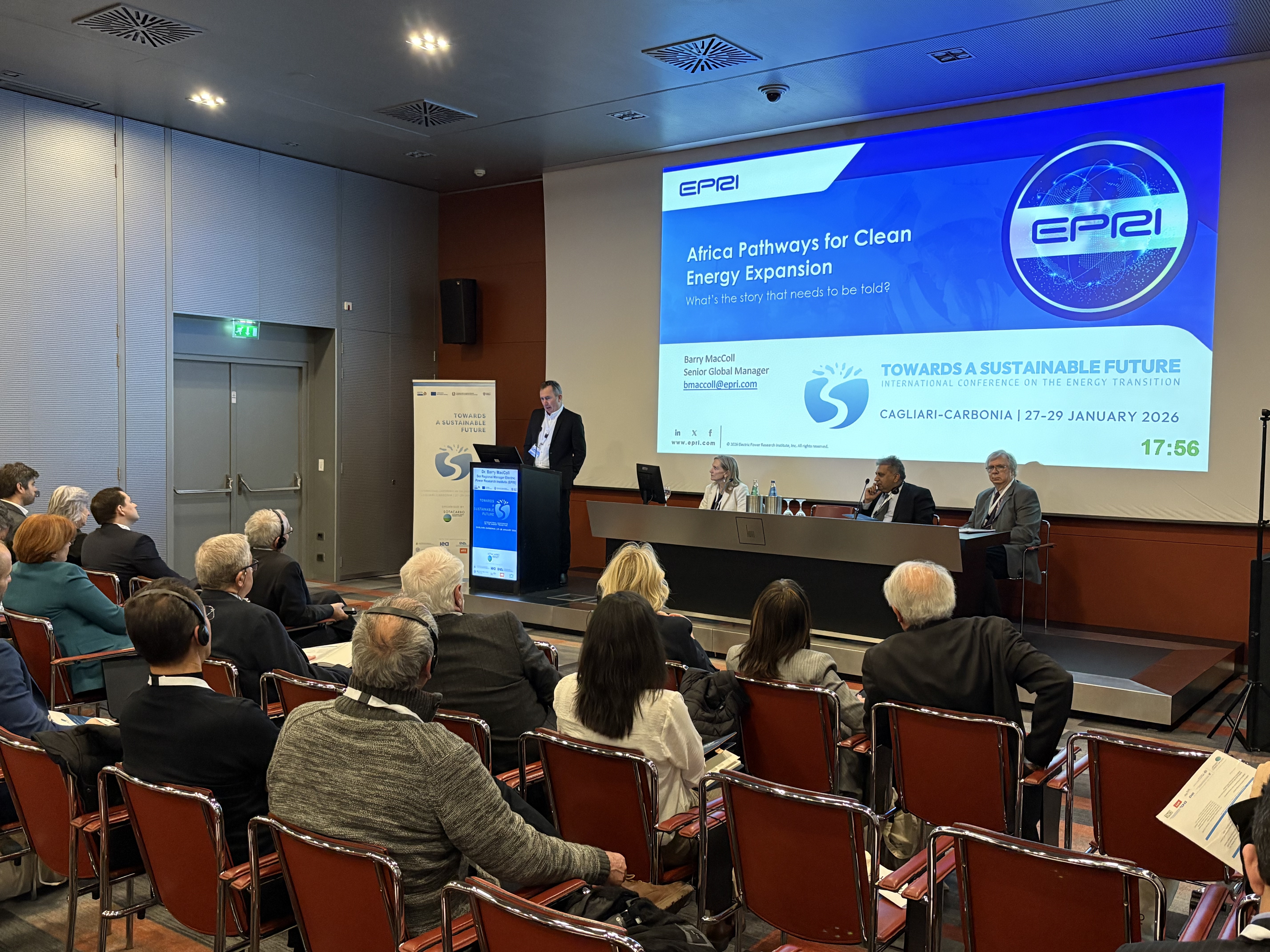
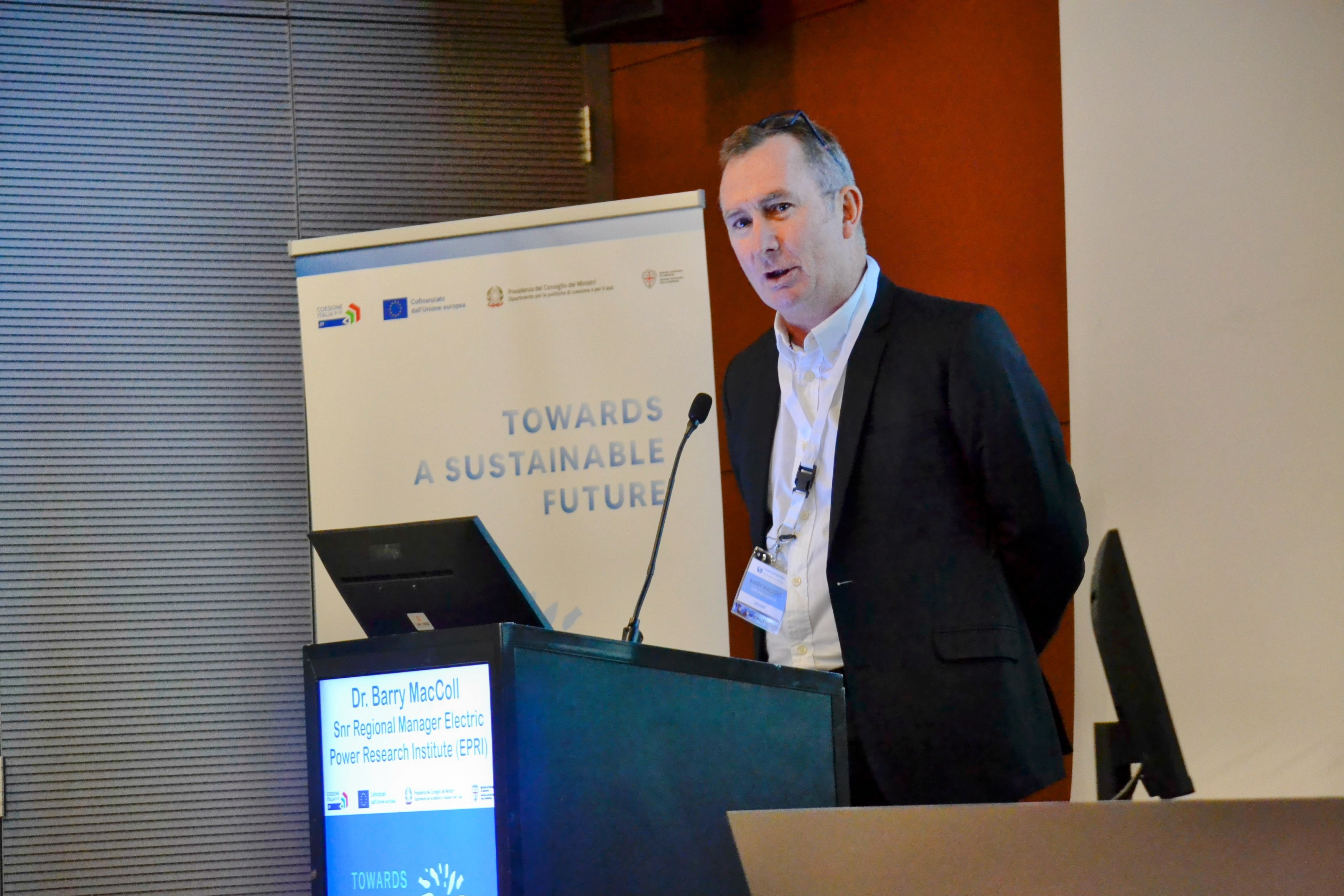
Barry MacColl, Senior Regional Manager, Electric Power Research Institute (EPRI): «Beliefs drive behaviors. Your beliefs are very important, and stories inform your beliefs. Your beliefs as engineers, researchers and scientists, whether you like it or not, form the context of your research and what you believe about what you’re researching. So, the story you tell about Africa, Latin America, or Europe, about climate change is a very important story to be told. Psychology seems to be more important in determining the future than technology. It is the psychology of the human mind that makes us make those choices, between the technologies we have available, and takes us forward. When we talk about a sustainable future for the world we need to bring Africa into that future as well. Africa will require energy. Lots of it. We have the necessary technologies, however the barrier is mainly financial and innovation is required to radically reduce cost.»
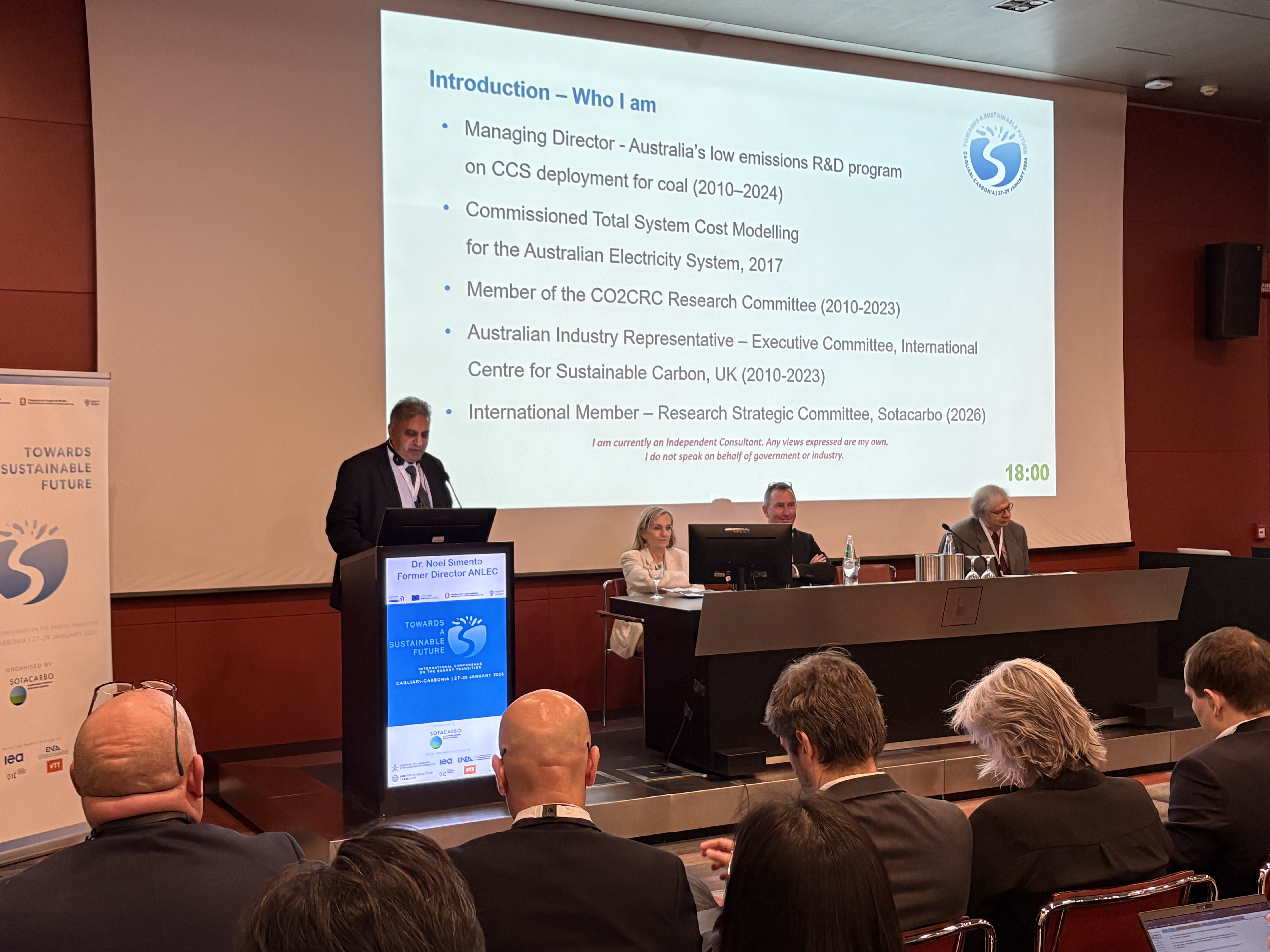
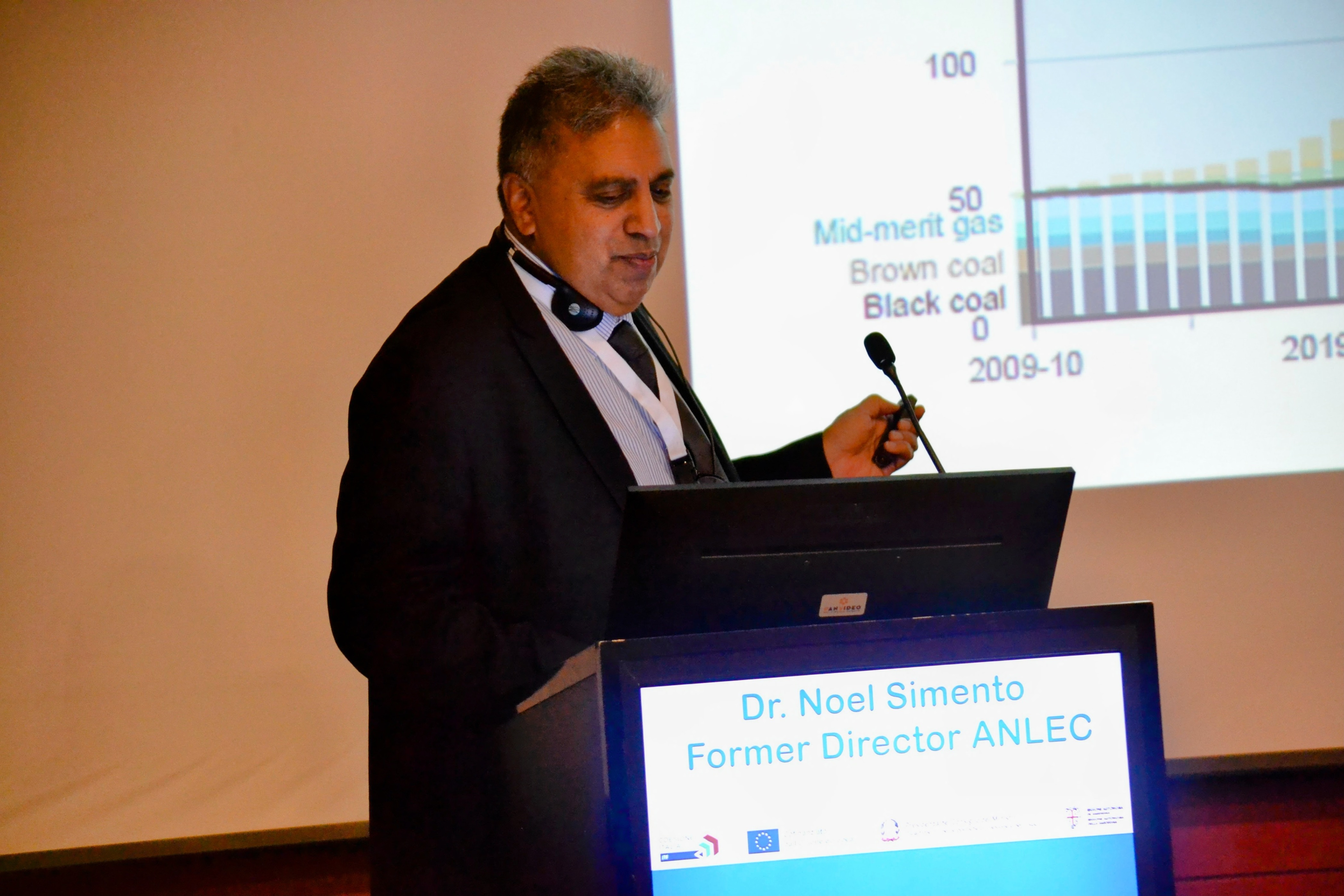
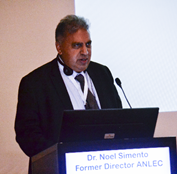 Noel Simento, Former Director, Australian National Low Emission Coal Research and Development initiative (ANLEC R&D): «Net Zero emerges as a difficult aspiration for Australia: consequences of the transition include unnecessary pressure on the cost of living for the most vulnerable in society. Political opposition is emerging to query the premise of a net-zero target and schedule. Moreover, emissions reduction from the electricity and transport sectors is well behind targets to date. The gap between stated intentions of governments and transition performance is very large. It is incumbent upon Scientists and Technologists to "call-out" narratives that stretch "The Truth" of what is required and what is possible.»
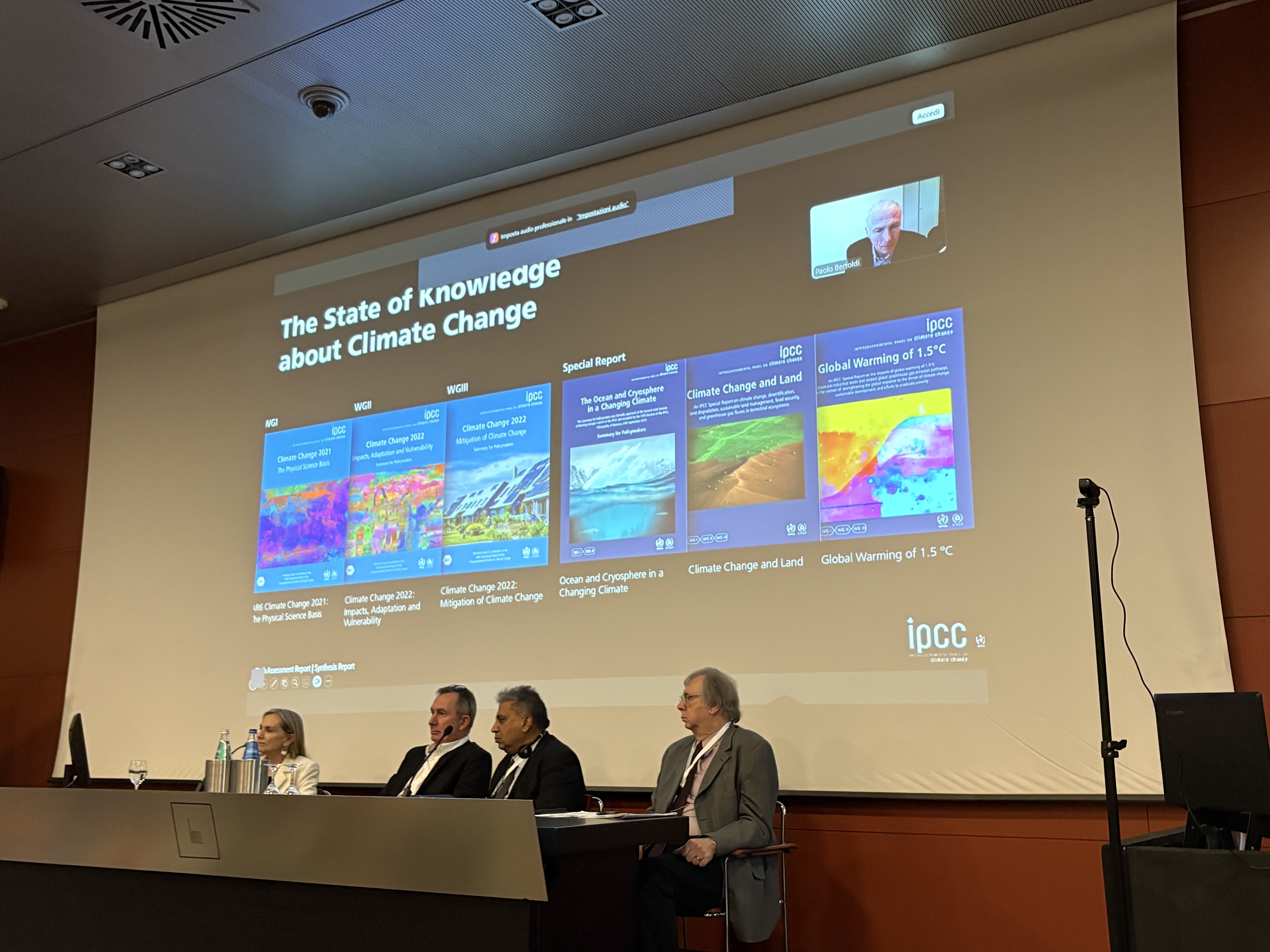
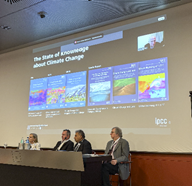 Paolo Bertoldi, Senior Expert in sustainable energy and climate change policy at the European Commission, Lead Author for IPCC, Fifth Assessment Report (AR5), Sixth Assessment Report (AR6) and Special Report on 1.5°, currently a Lead Author for the new IPCC Seventh Assessment Report (AR7): «Those who contributed the least to climate change are often the most vulnerable to its impacts: Africa, Asia, Central/South America, LDCs, Small Islands and the Arctic. Millions of people are exposed to acute food insecurity and reduced water security. People in highly vulnerable areas are up to 15x more likely to die in floods, droughts and storms compared to those in in most resilient areas.»
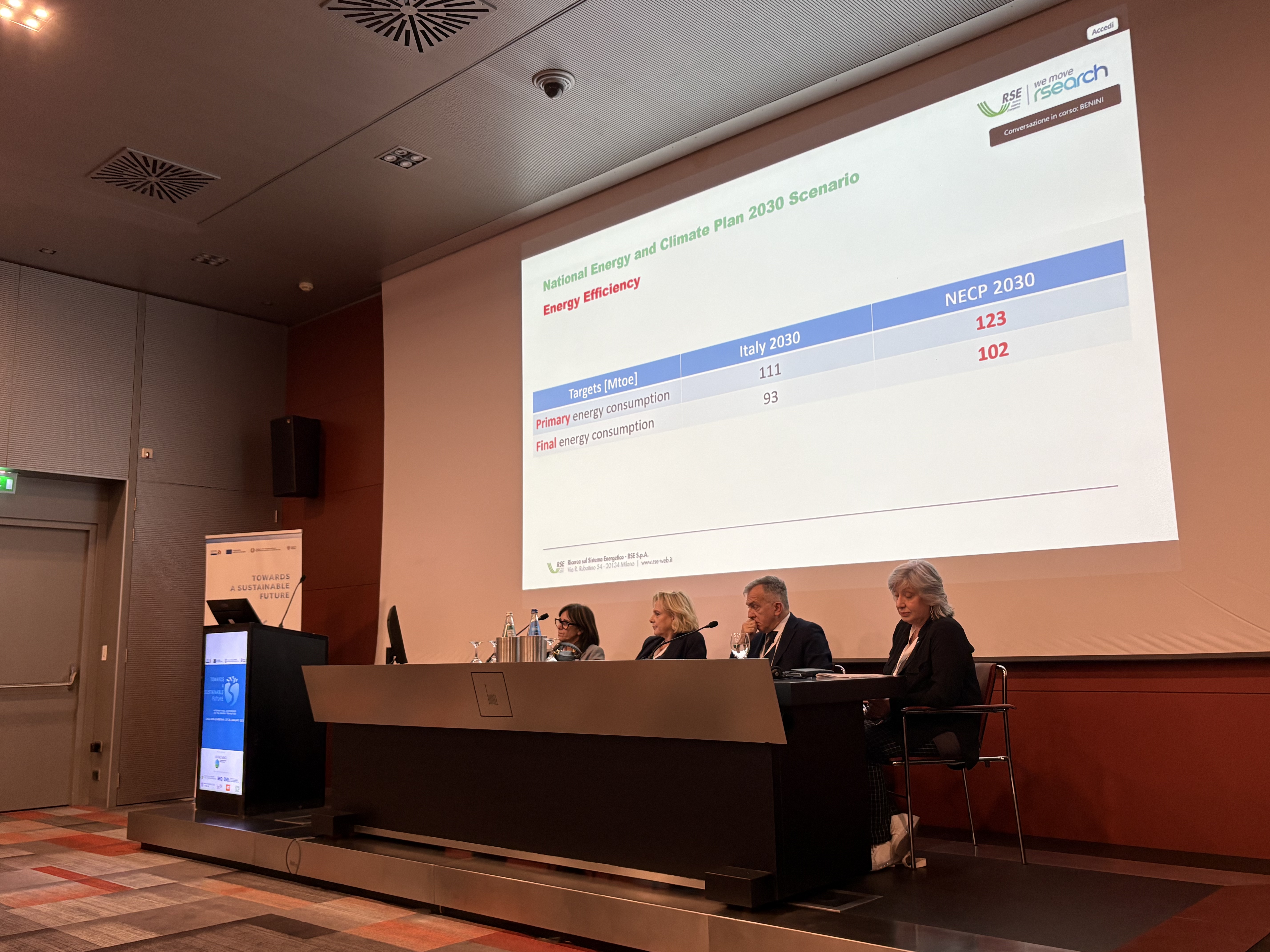
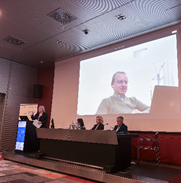 Michele Benini, Director of Energy Systems Development Department, Ricerca sul Sistema Energetico (RSE): «In the nuclear scenario, the results of the National Energy and Climate Plan (NECP) show greater electrification of consumption and greater use of Power-to-X thanks to lower generation and heat supply costs in cogeneration. The overall cost is €17 billion lower than the non-nuclear scenario over the time period considered.»
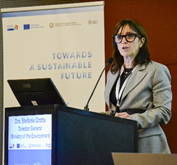
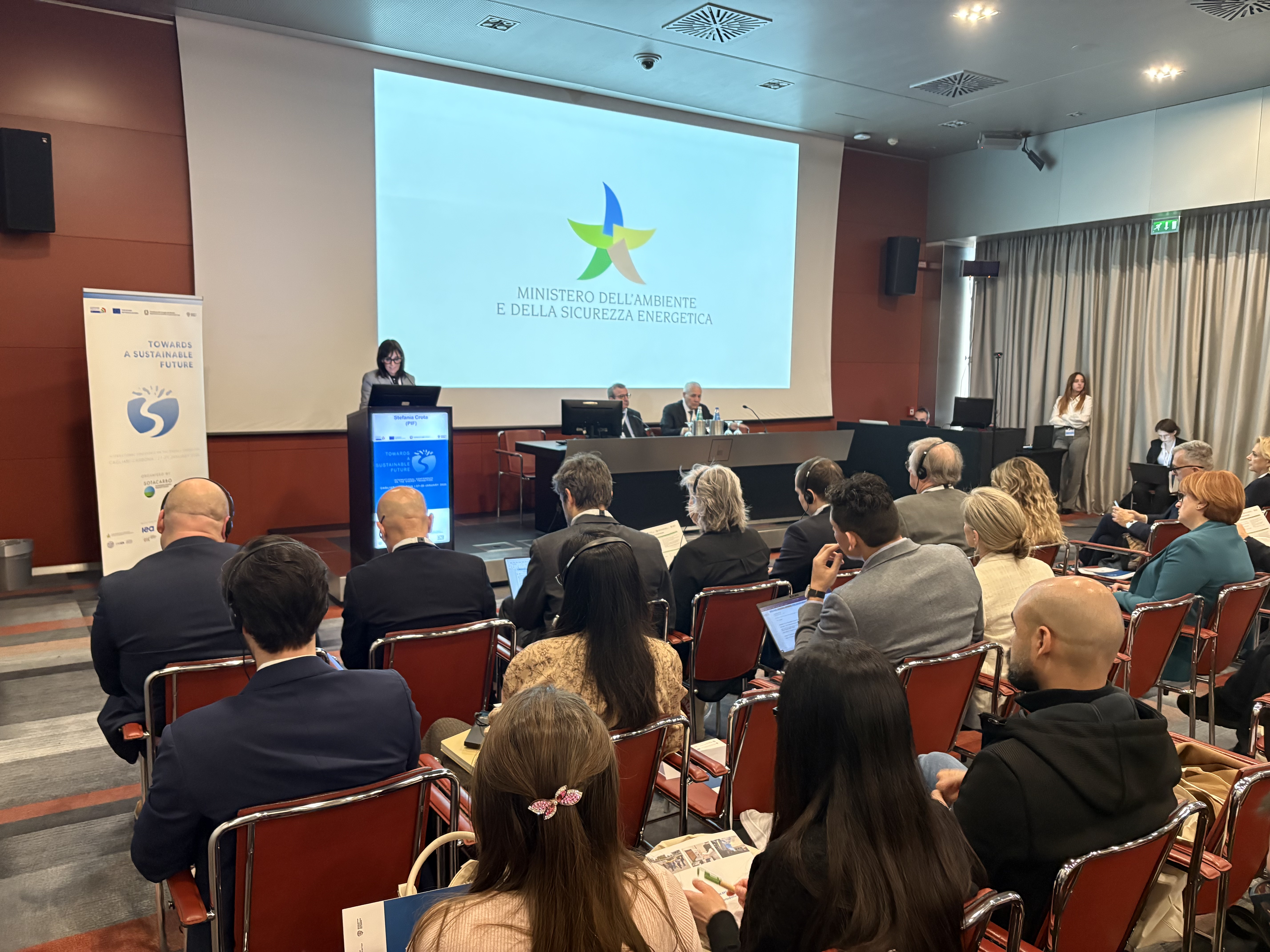
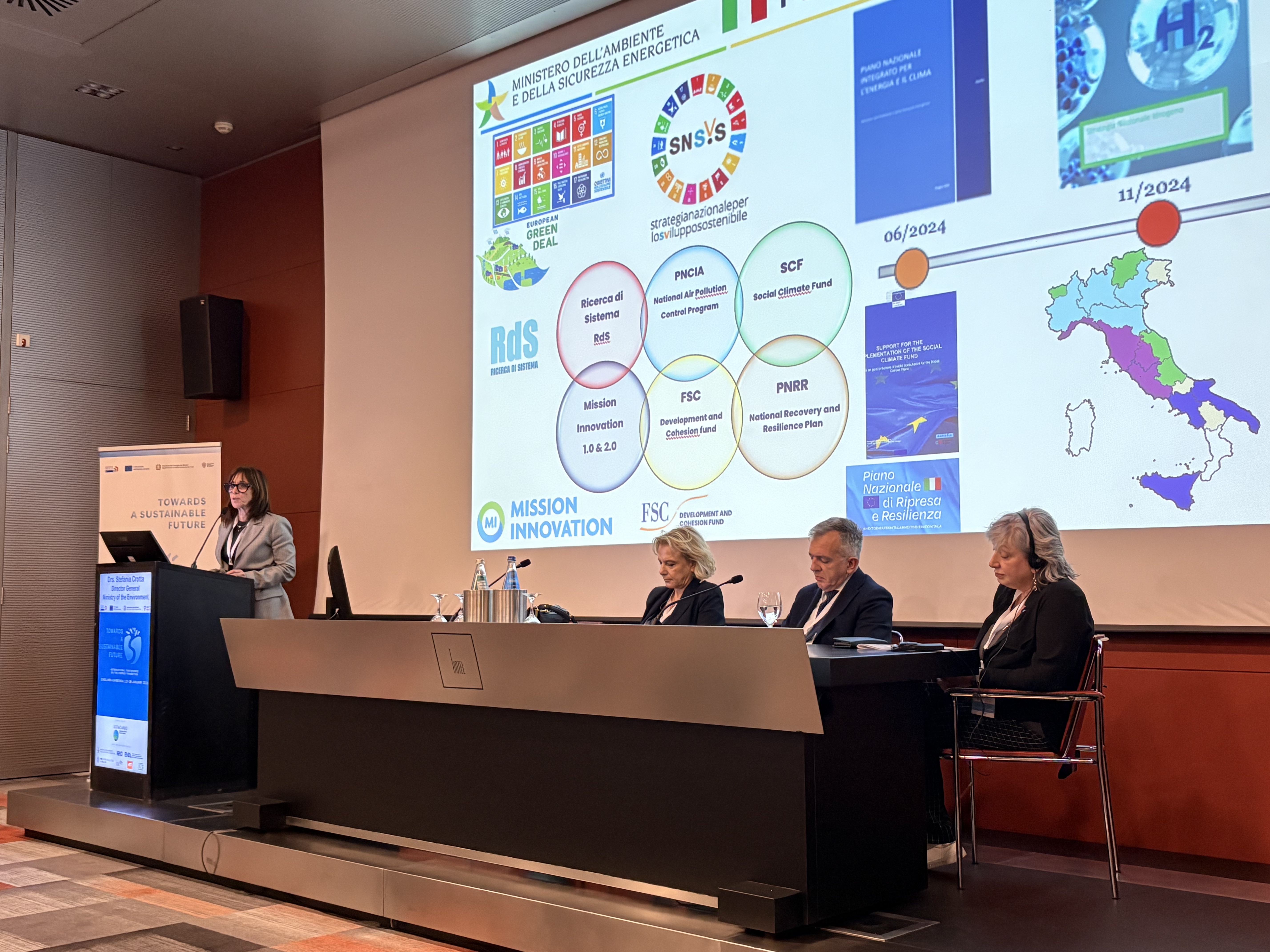
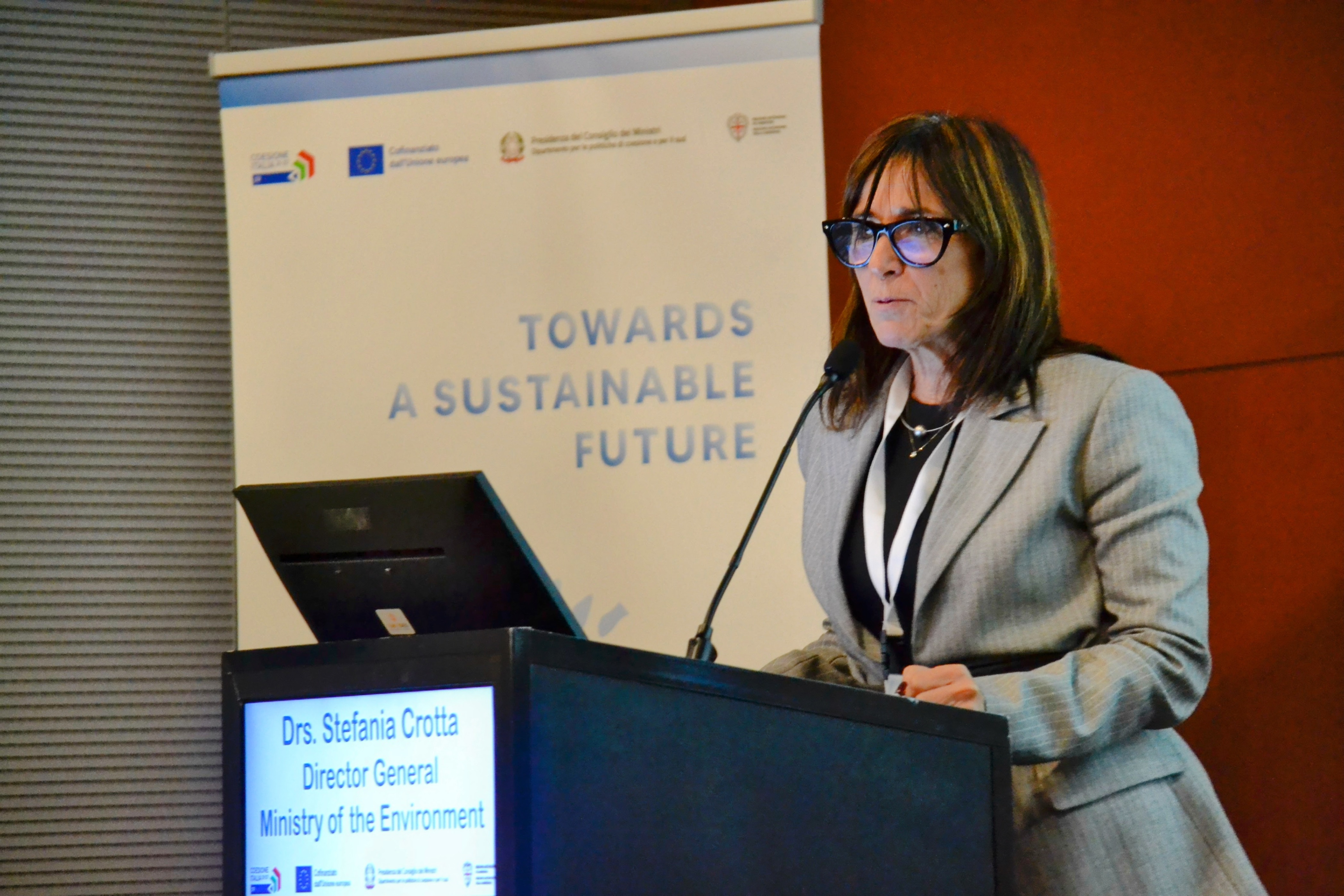
Stefania Crotta, Director General, Financial Programs and Incentives, Ministry of the Environment and Energy Security: «The Italian strategy for the expansion of low-carbon technologies is expressed through an integrated framework of policies, financing, and research led by the Ministry of the Environment and Energy Security. The updated National Energy and Climate Plan (Pniec 2024) defines objectives for decarbonization, energy efficiency, energy security, market integration, and innovation, following a technology-neutral approach. To become concrete, these strategies must be implemented in a society that is open to change. Regarding the national hydrogen strategy, particular attention is given to hydrogen transport infrastructure, particularly the southern corridor and ports, which could be a very important aspect of the national structure. The two largest islands play a significant role in this.»
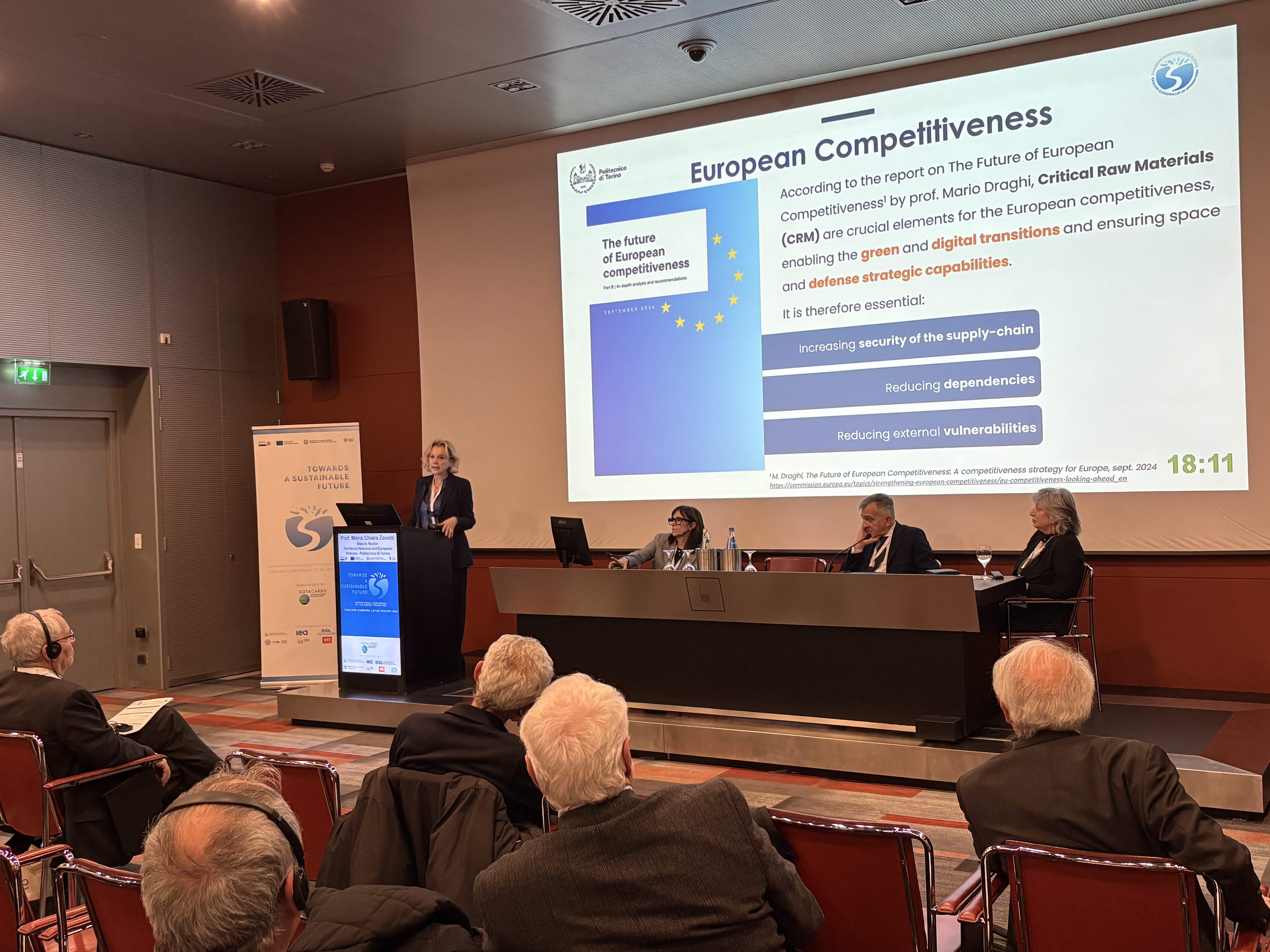
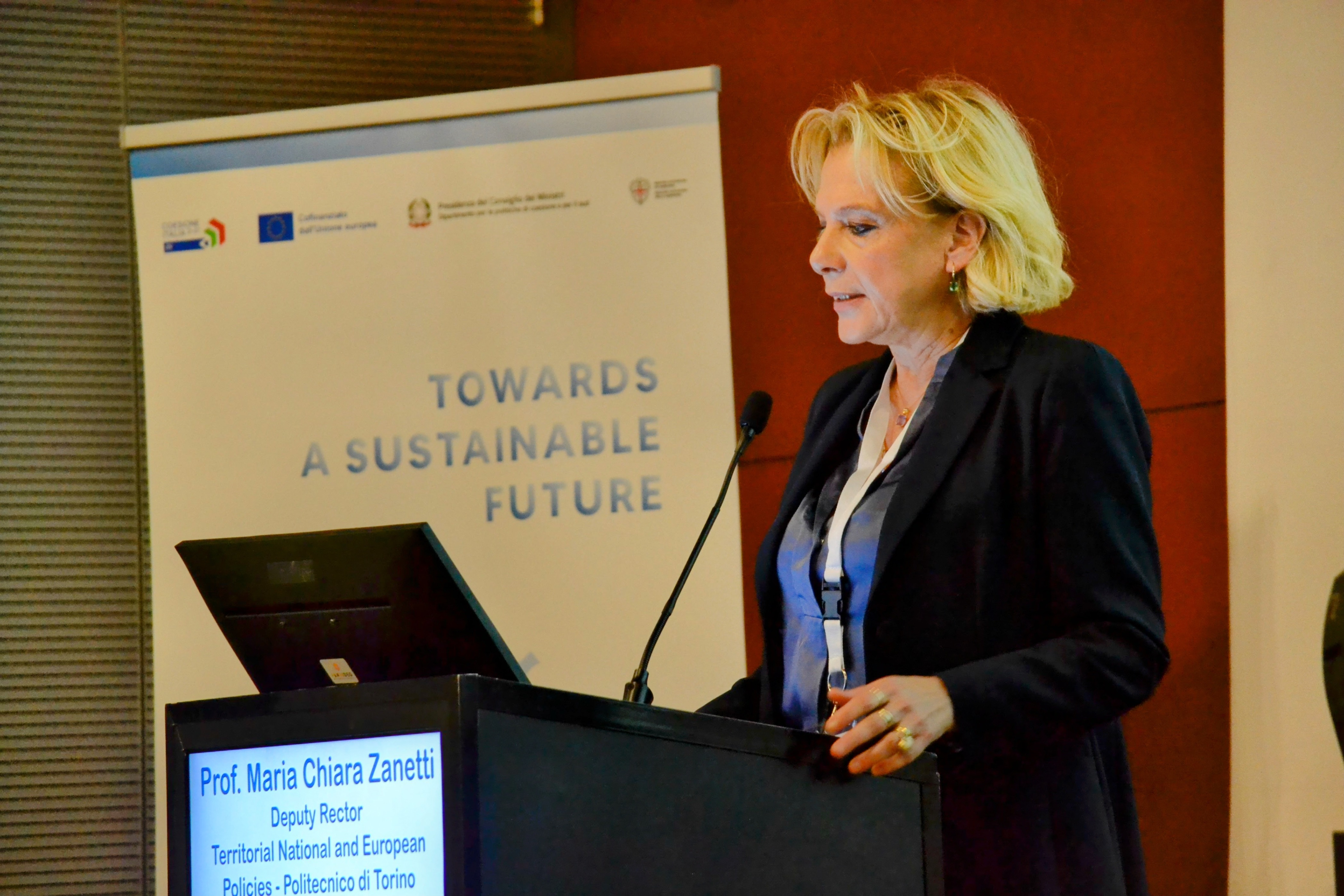
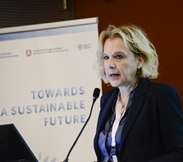 Mariachiara Zanetti, Deputy Rector, Territorial, National and European Policies, Politecnico di Torino: «Italy has the potential to play a leading role in research on critical raw materials. It is important to support and facilitate the achievement of a Technology Readiness Level (TRL) > 6, with full collaboration between research institutions and industry.»
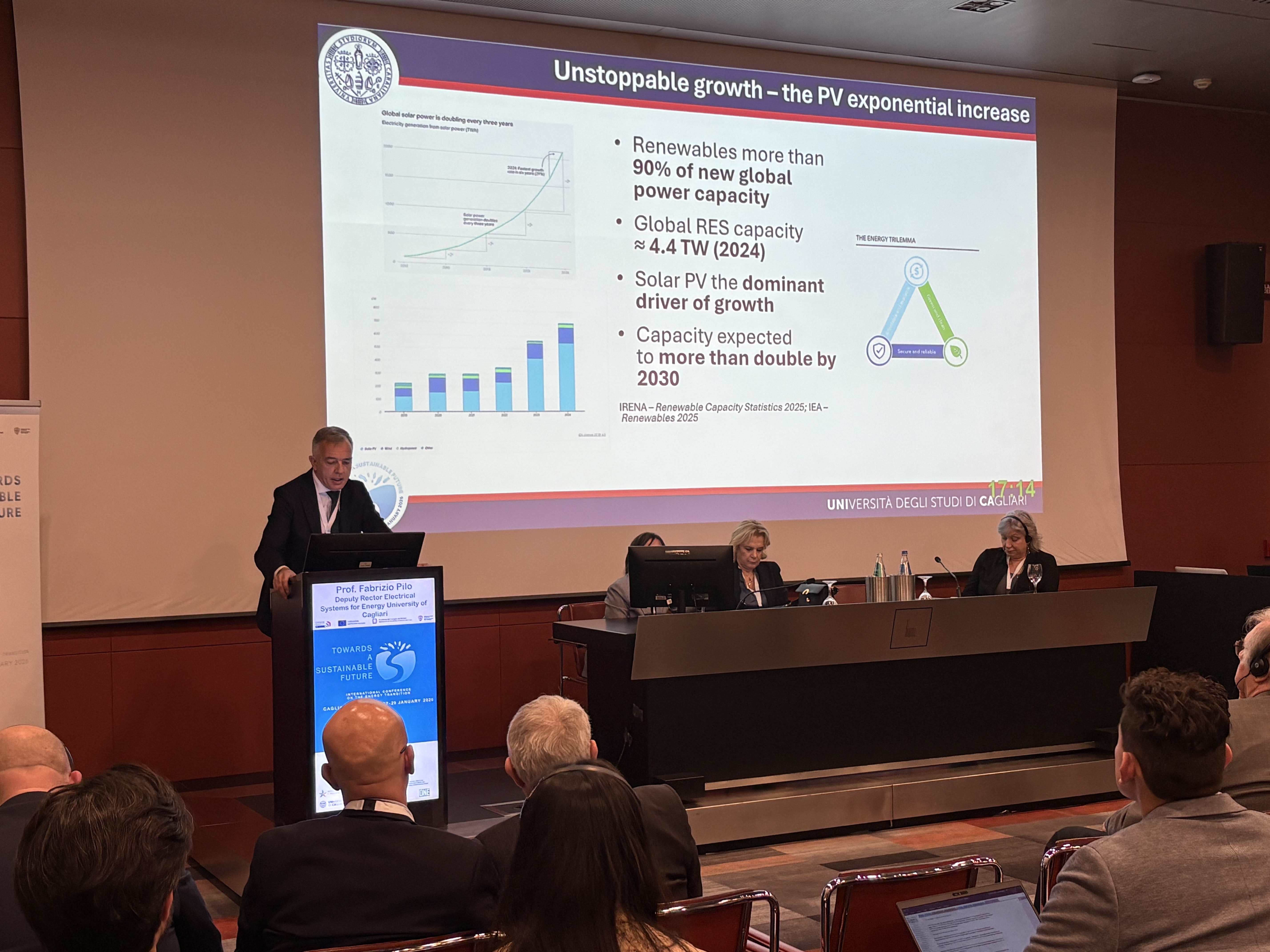
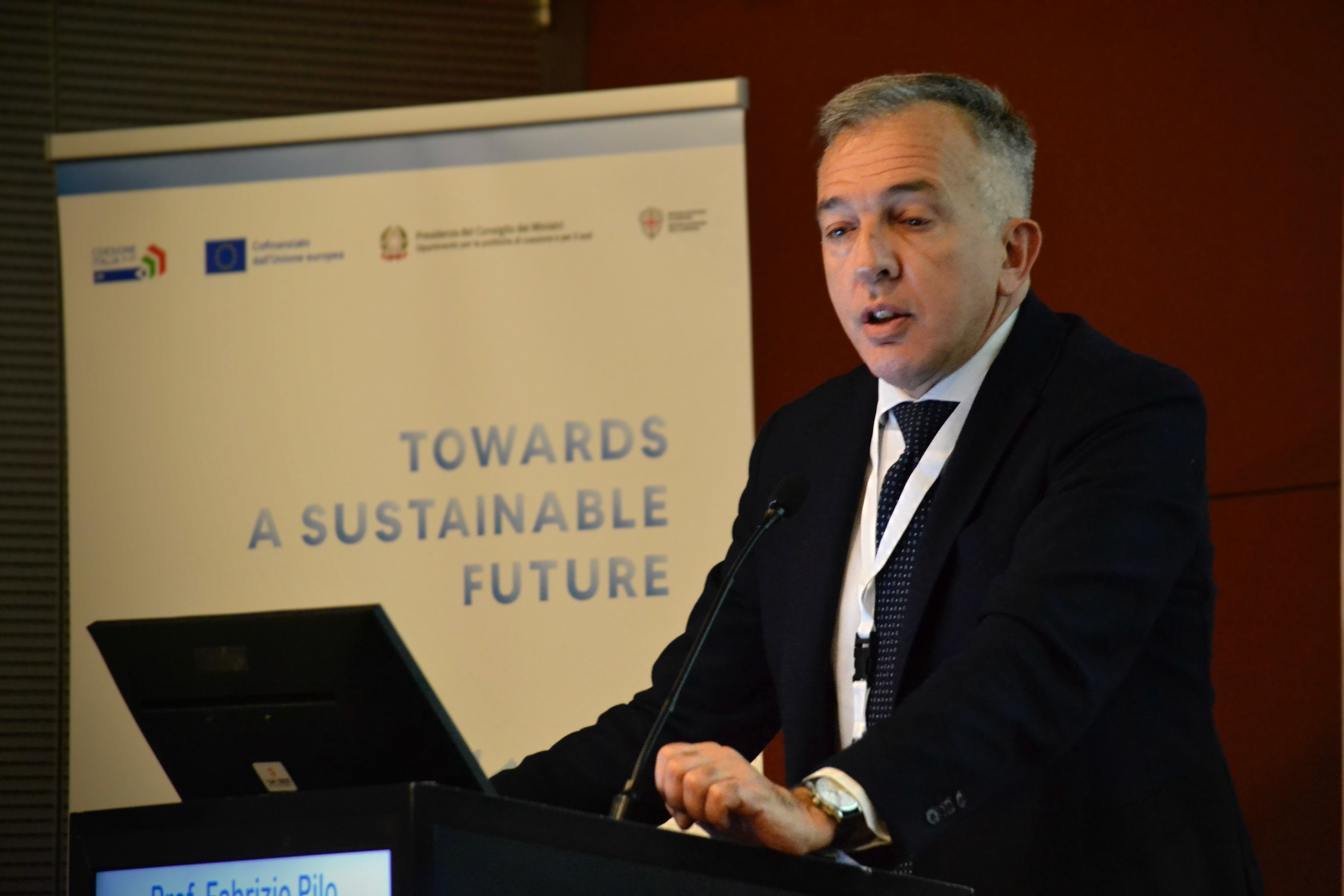
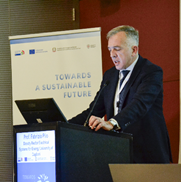 Fabrizio Pilo, Prorettore, Ingegneria industriale e dell'informazione, Università di Cagliari: «Renewables are not just changing the energy mix, they are transforming the electrical system. Physical laws still exist, but most interactions are now mediated by inverters and software. The challenge is planning, operating, and coordinating networks, markets, and regulation to manage costs and improve security».
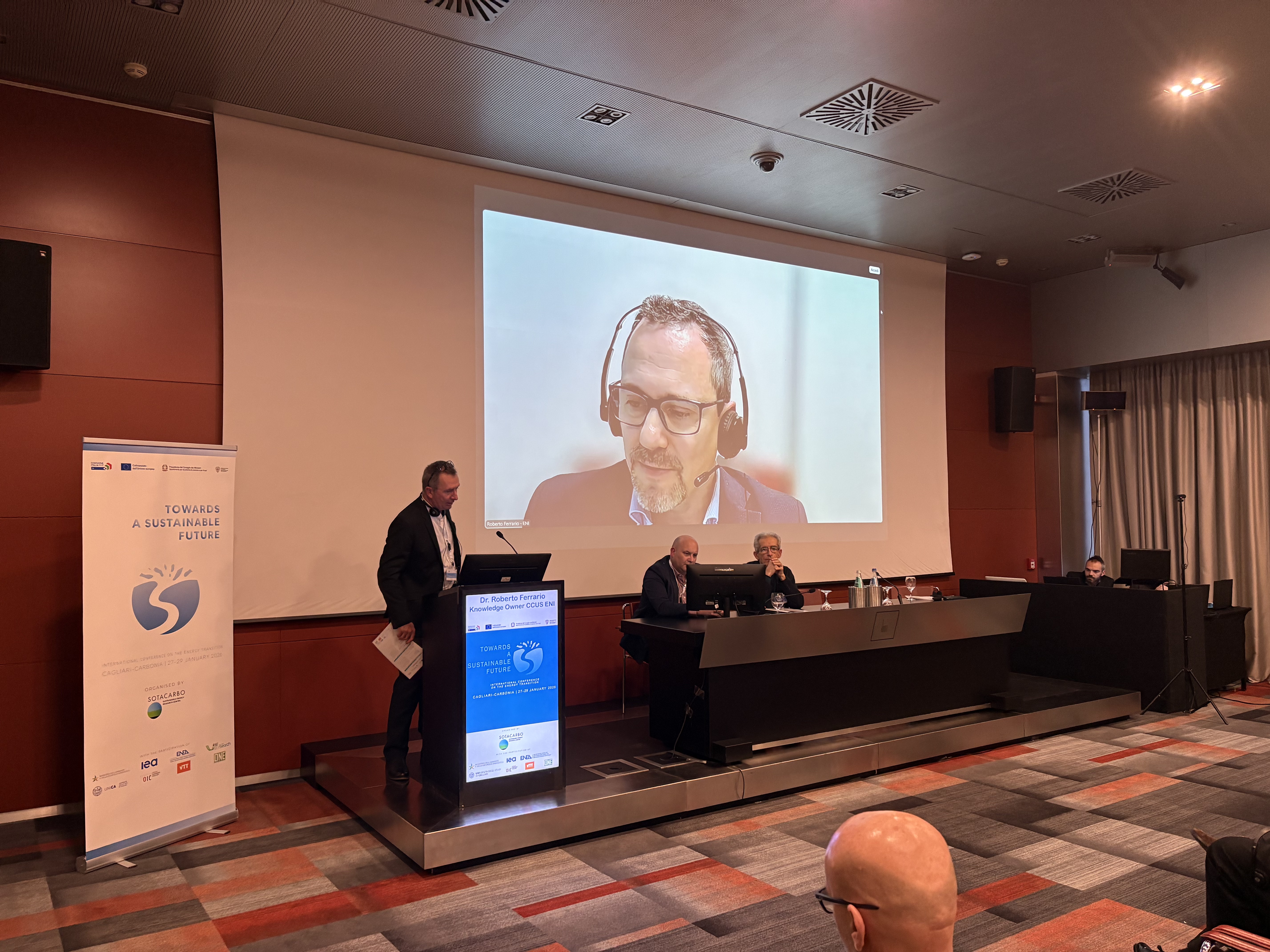
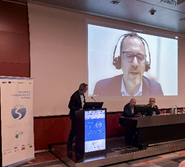 Roberto Ferrario, Carbon Capture, Utilization and Storage (Ccus) Knowledge Owner, ENI: «Ravenna is a city on the Adriatic coast and for decades has been the hub of our Adriatic gas field. We're currently approaching the complete depletion of the field. Therefore, there's a huge opportunity to convert part of these fields into storage sites for industrial emissions. Ravenna CCS, the CO2 capture and storage project being developed by Eni and Snam, is by far the largest in Southern Europe and has been identified as a Reference Hub for Southern Europe to support the decarbonization of industrial districts in Italy and the Mediterranean area, thanks to a storage potential of 500 tons. It is also the reference storage hub for the PCI CallistoMediterranean CO2Network.»
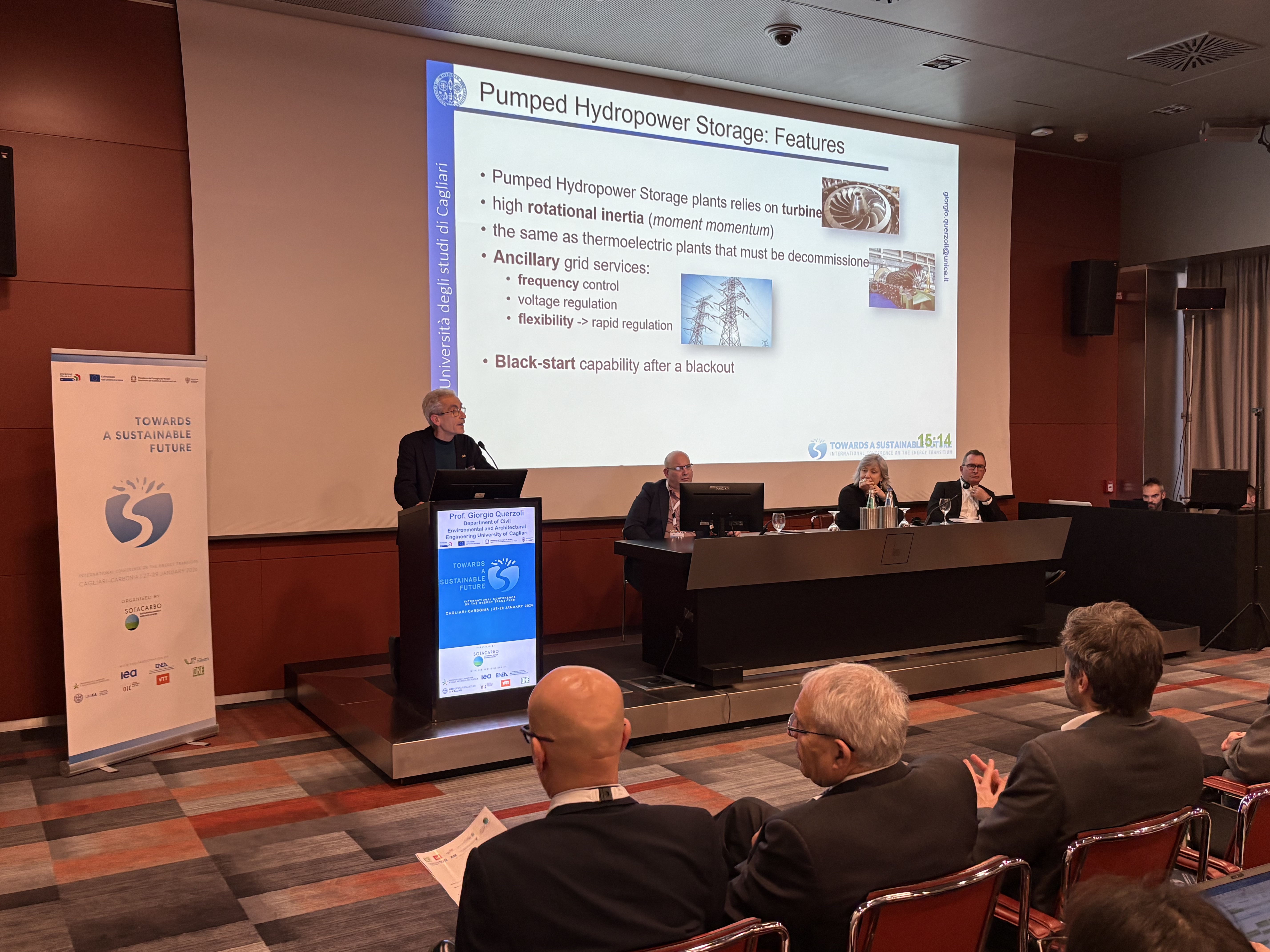
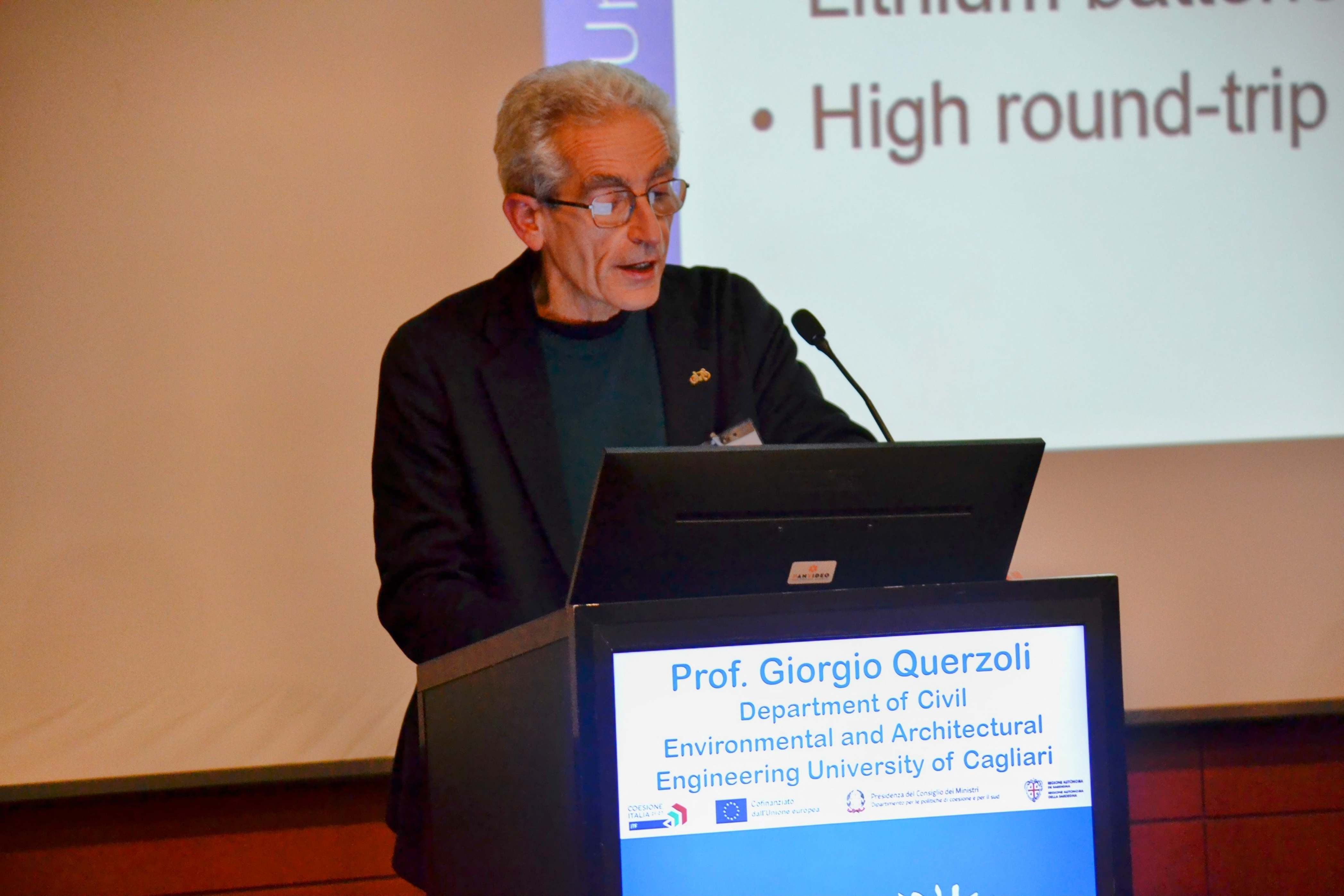
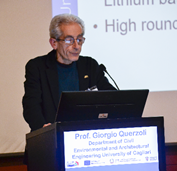 Giorgio Querzoli, Civil, Environmental and Architectural Engineering, Università di Cagliari: «Assuming that in the future green energy can be produced by wind and solar plants, hydropower production has alternatives storage and unique features. Pumped Hydropower Storage do not consume water, but merely use it temporarily. This is an important factor to consider since water is an increasingly scarce resource. In principle, pumped storage should have priority to hydropower production. The goal of the study that we are conducting at the University of Cagliari is to develop and test, in Sardinia, a fully automated GIS procedure to assess the potential of pumped hydropower storage.»
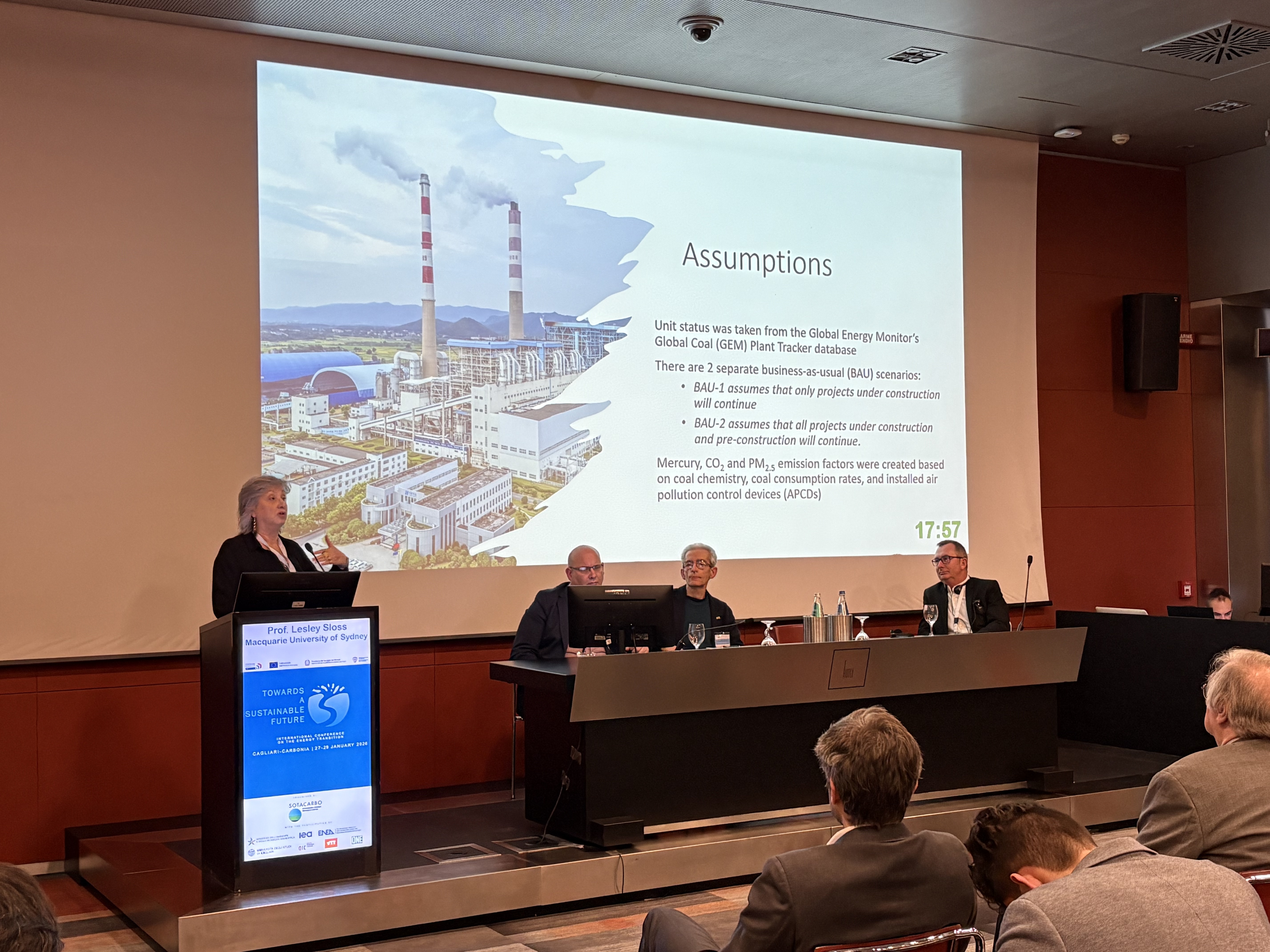
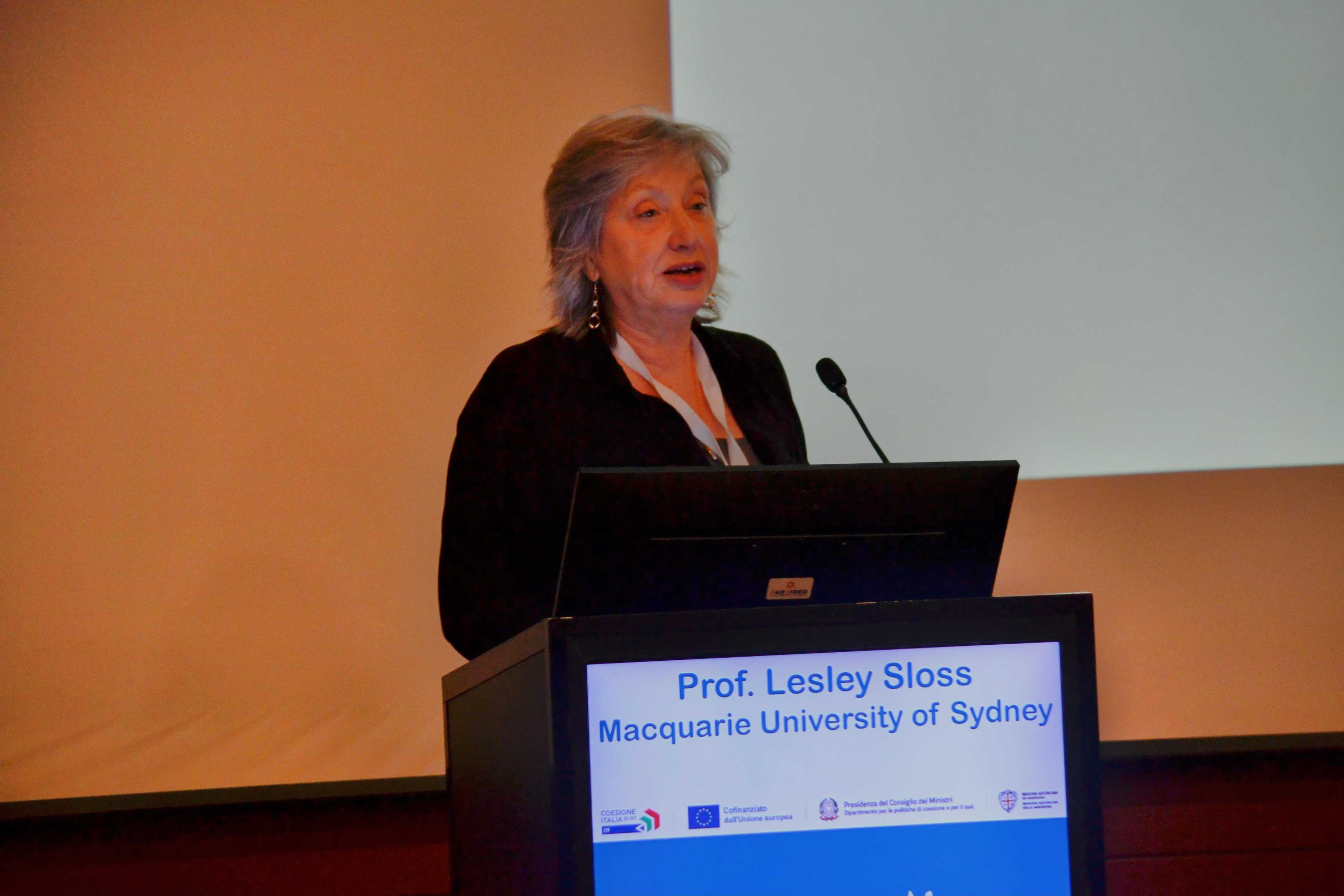
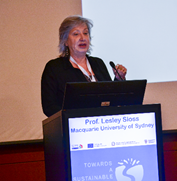 Lesley Sloss, Professor, Macquarie University Sydney: «Global coal use will soon peak, but this may be delayed by emerging economies building new plants that are inconsistent with climate targets. However, we can reduce emissions efficiently through strategic fleet management.»
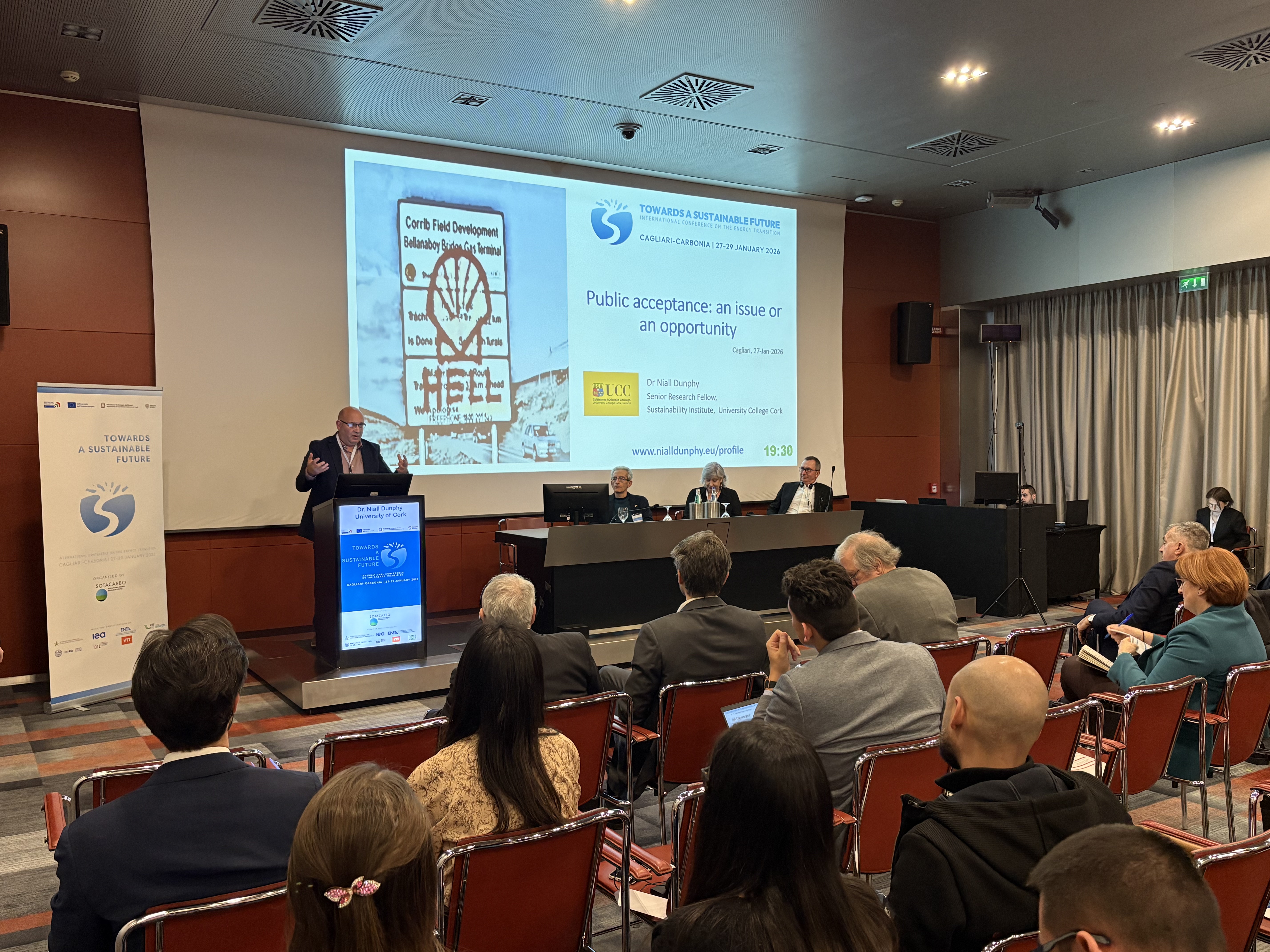
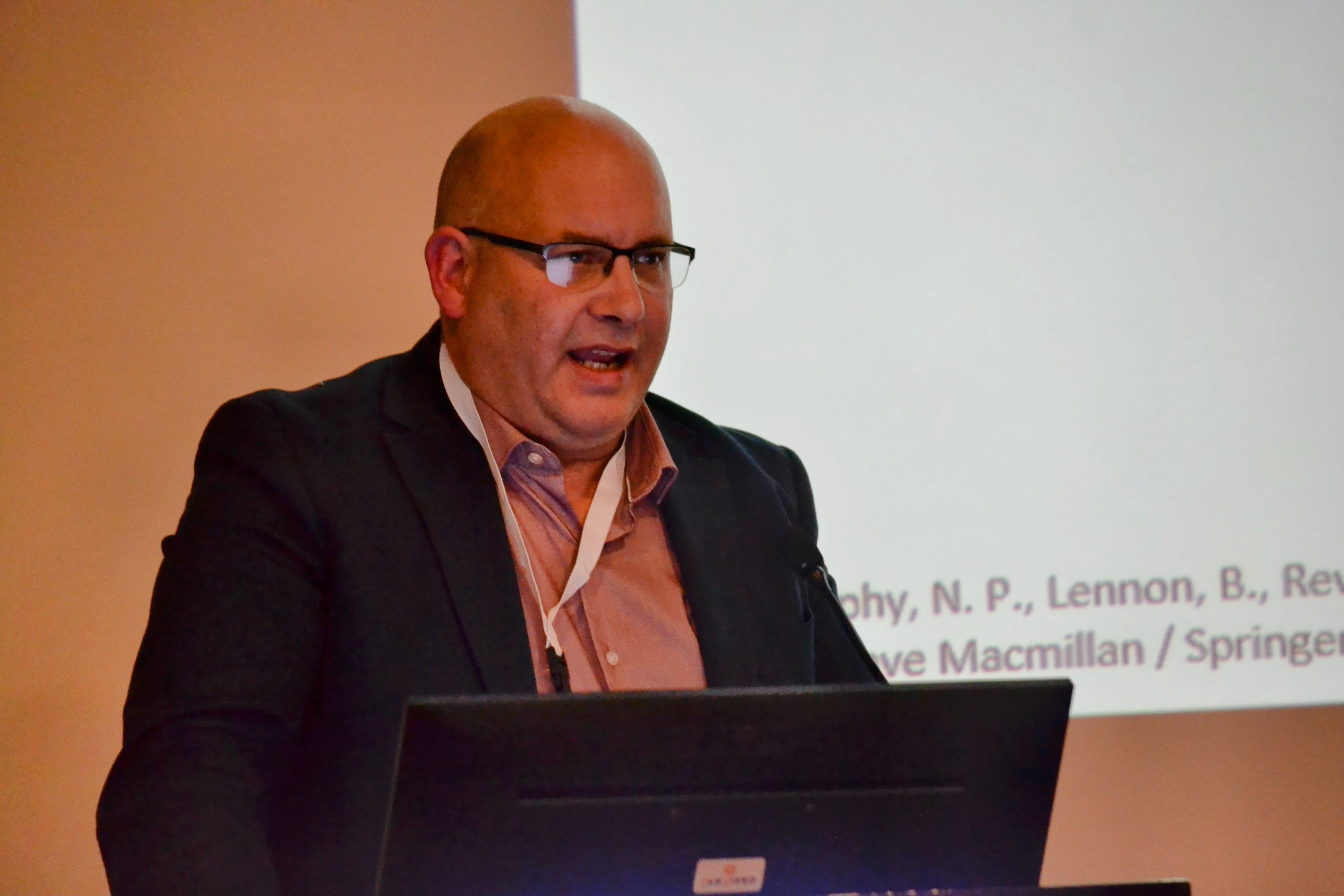
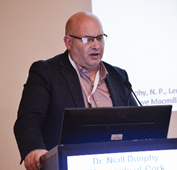 Niall Dunphy, Senior Researcher, University College Cork: «Realizing decarbonization both requires and will result in substantial societal transformation. This needs buy-in from citizens. Many people say ‘don’t make it a political issue’, however, everything is political, and refusing to confront the status quo is itself a political stance.»
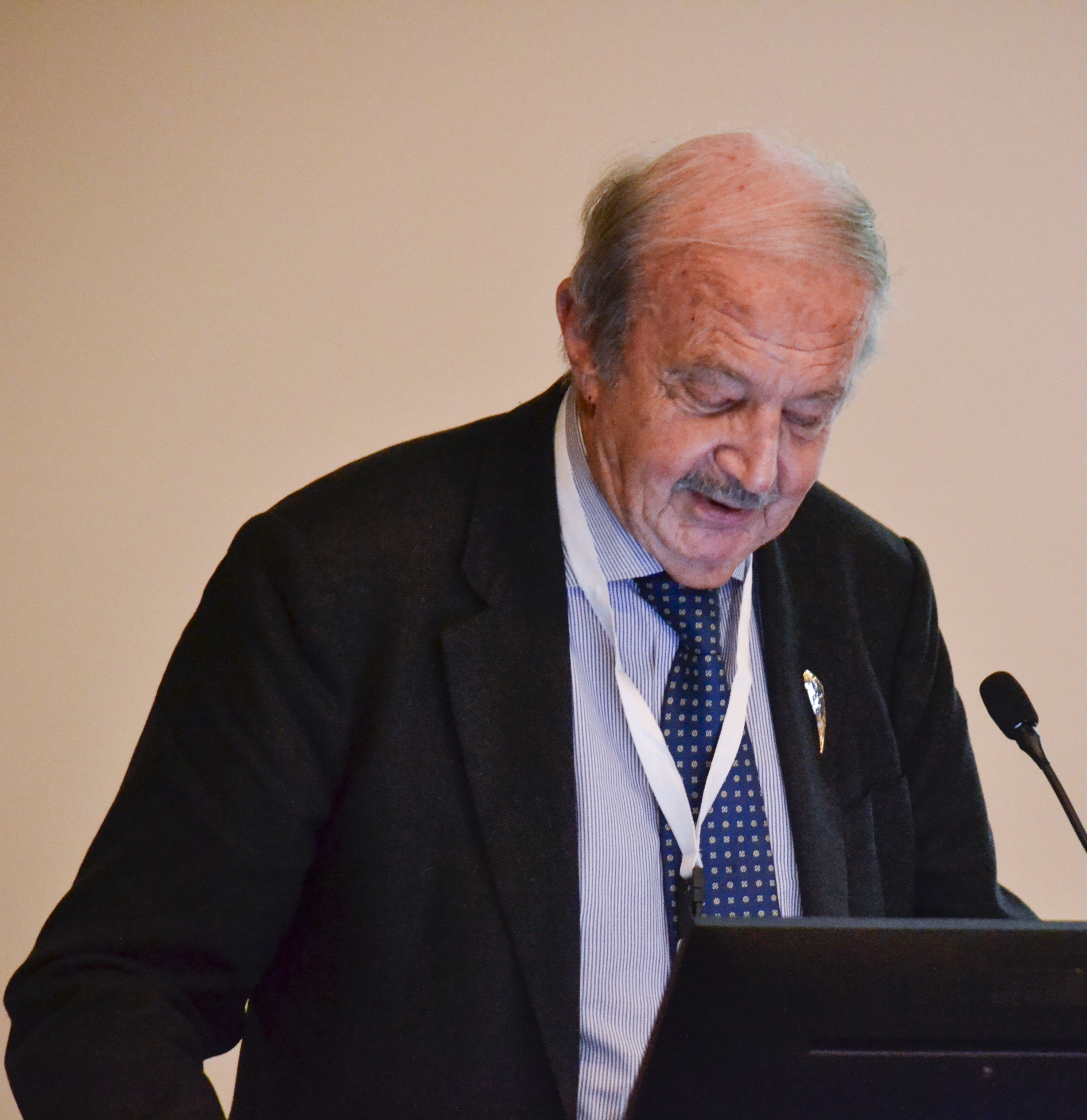
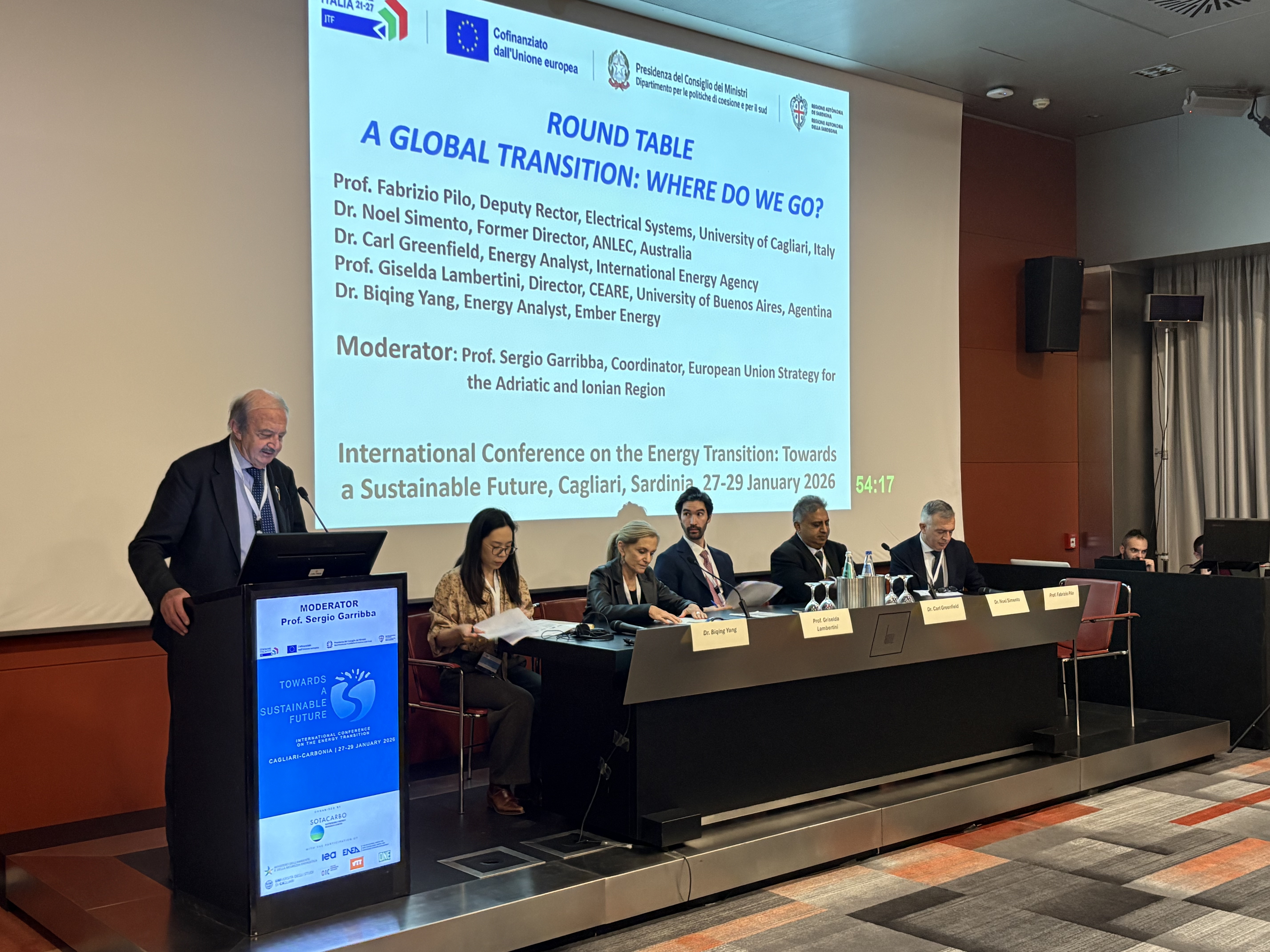
Roundtable "A Global Transition: Where Do We Go?" moderated by Sergio Garribba, coordinator of Pillar-II Energy, EUSAIR.
Question 1: Are the targets foreseeing energy system decarbonisation by the year 2050 realistic? Which are threats and roadblocks? How to overcome?
Pilo: «From my point of view, as an expert of electrical power systems, I think that the targets are realistic and the pace is good in the world, if I look at the numbers. The problem is that the system is incapable of following. It’s not just about targets, we must also change the way we use the energy, and we have to convince people to change their habits.»
Simento: «I question the premise: who sets the net zero target by 2050? That's based on some narrative that says we're in a climate crisis and we must do this by this date. I am not convinced of that. I think we've got time, actually a lot more time to do what we need to do. However, I think there is a lot of benefit in decarbonizing. Sustainability has three phases of maturity: first phase is impact reduction, second is preservation of natural capital and third is adaptation. We are currently stuck in the second phase, we are not thinking of adaptation. Then we get to the ideological "you must have net zero by 2050, you have to phase out coal". No, we don't have to, but because we have to preserve the natural capital, we still should decarbonize. We should be willing to talk about it, speak about it and question the premise.»
Lambertini: «If you think in terms of electricity
generation sources, we're well on our way. At the regional level, we've already reached 65% or more of renewable energy in the electricity matrix. But it's unrealistic to think we can achieve similar goals for the primary energy matrix. The whole bundle of end-uses of energy, primarily transportation, is difficult to phase out. In Argentina, we don't even produce electric vehicles.»
Question 2: How do see the impact of Artificial Intelligence on the future of energy systems?
Greenfield: «It comes down to two scenarios: AI for energy and energy for AI. Artificial Intelligecne for energy analyses what parts of the energy systems can be advanced or helped by AI, for example prototyping, optimization of design, power sector, operation and maintenance and system planning for different technologies. Energy for AI means how much energy will AI actually demand. What type? Where? The biggest impact will be on those regions and countries that traditionally saw a plateauing of electricity demands and now see that demand increasing. We have to reflect on how will this impact local electricity prices. Currently, it asks more than the grid can take.»
Question 3: Is there a role in the energy transition for nuclear energy (nuclear fission and fusion)?
Yang: «If we look at the structure of the power system in China, nuclear is currently representing a relatively smaller proportion, but it doesn’t mean that it’s a small nuclear power. In terms of nuclear power generation, China is number one or two in the world, so it's always been strategically important. Policy related to nuclear power puts a lot of emphasis on safety and security.»
Simento: «I come from a country, Australia, that's allowed to sell uranium but not allowed to use it. I think that nuclear energy must be part of whatever energy mix we're going to have if we want reduced emissions. If you have nuclear and CCS, you can get a net zero system that is much cheaper than the one that only focuses on renewables.»
Image gallery
Last update
10/03/2026, 11:44